
Climate
Plants for the Oceanic (Cfb) climate
Oceanic: mild temperatures, year-round rain, more frequent frost. Temperate-climate fruit territory; tropicals only enter in the most protected spots of the design.
58 species in the catalog · Refine this list in the catalog
-
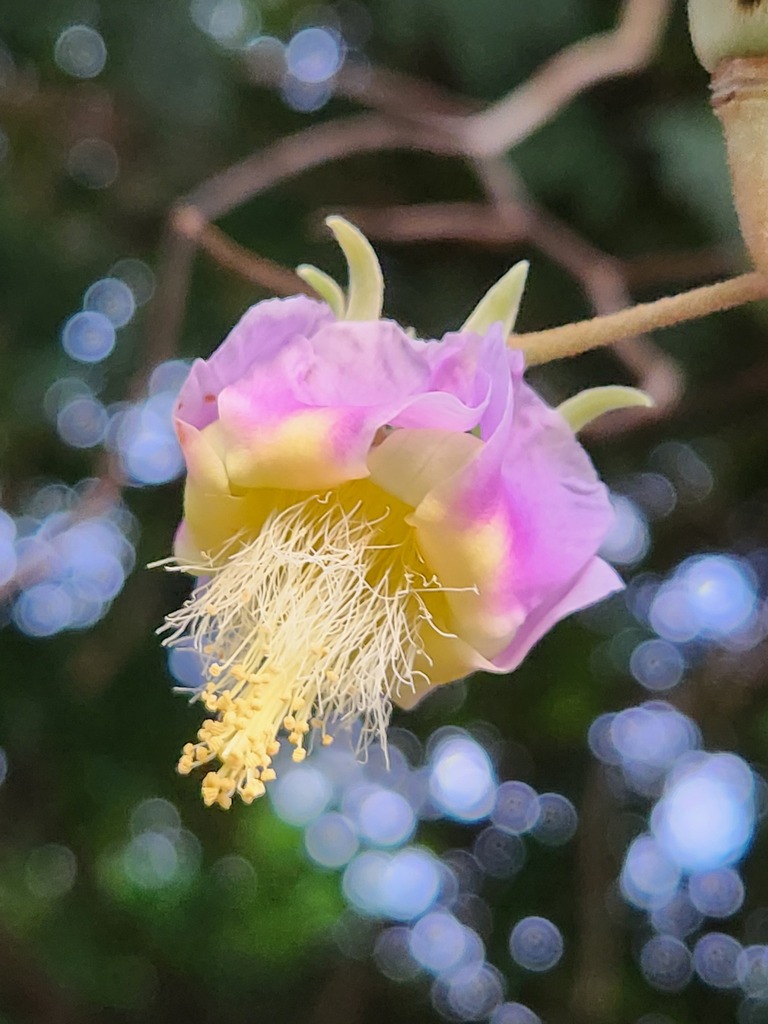
açoita-cavalo
Luehea divaricata
Secondary II High Mulch biomassSemi-deciduous native tree of southern Brazil, typical of riparian forests and secondary growth. A forestry species of the Embrapa Vitrine SAF, pla...
-
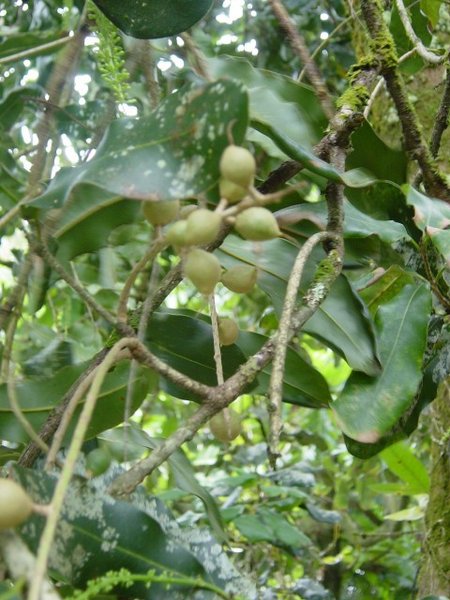
macadamia nut
Macadamia integrifolia
Climax High No biomass productionAustralian tree grown for its high-value oily nut. EcoAgri lists it in the high stratum of the '> 50 years' bin. Adapts well to southern and southe...
-
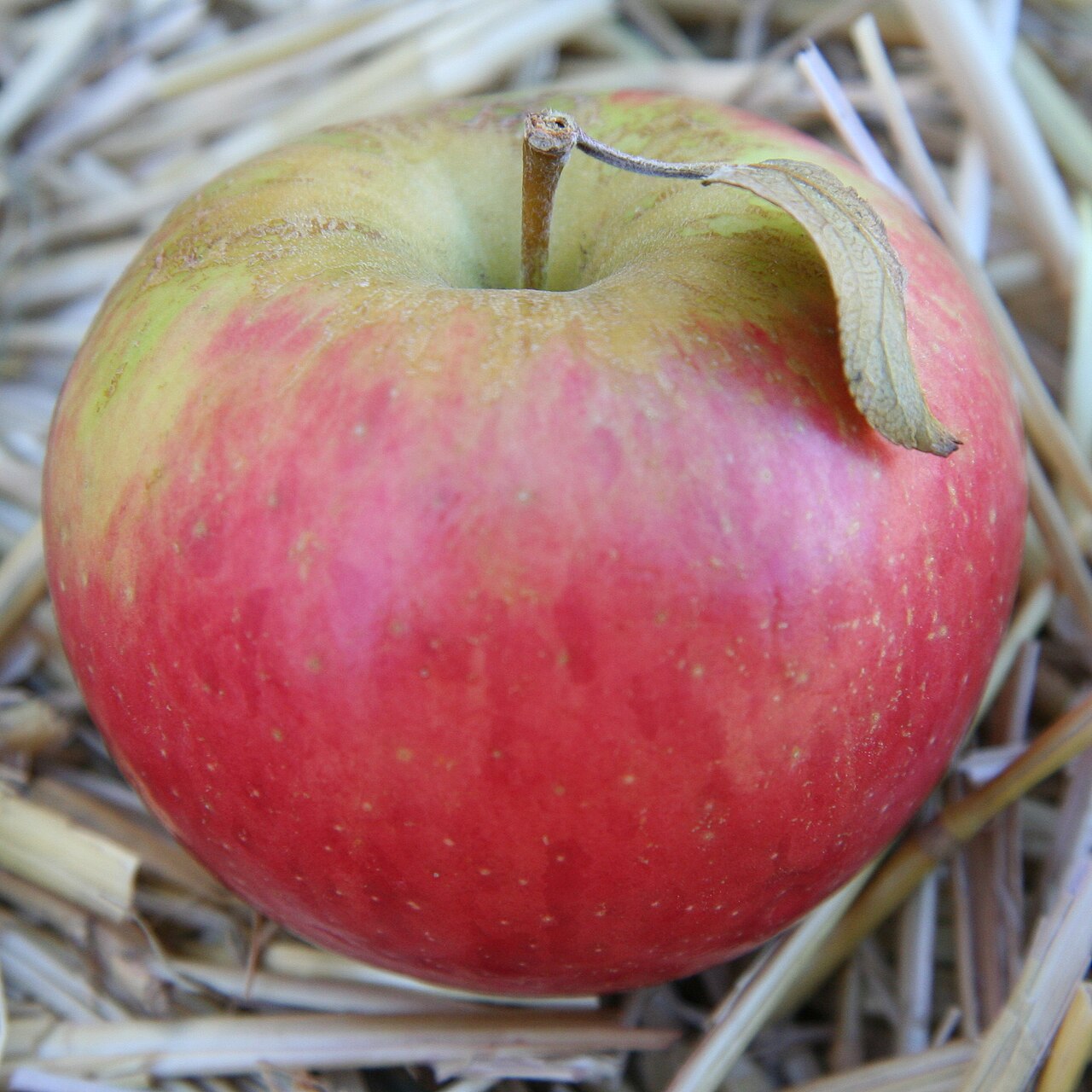
apple
Malus domestica
Secondary II Medium No biomass productionThe apple, a deciduous temperate fruit tree and the leading commercial orchard fruit of southern Brazil, concentrated around São Joaquim (SC) and V...
-
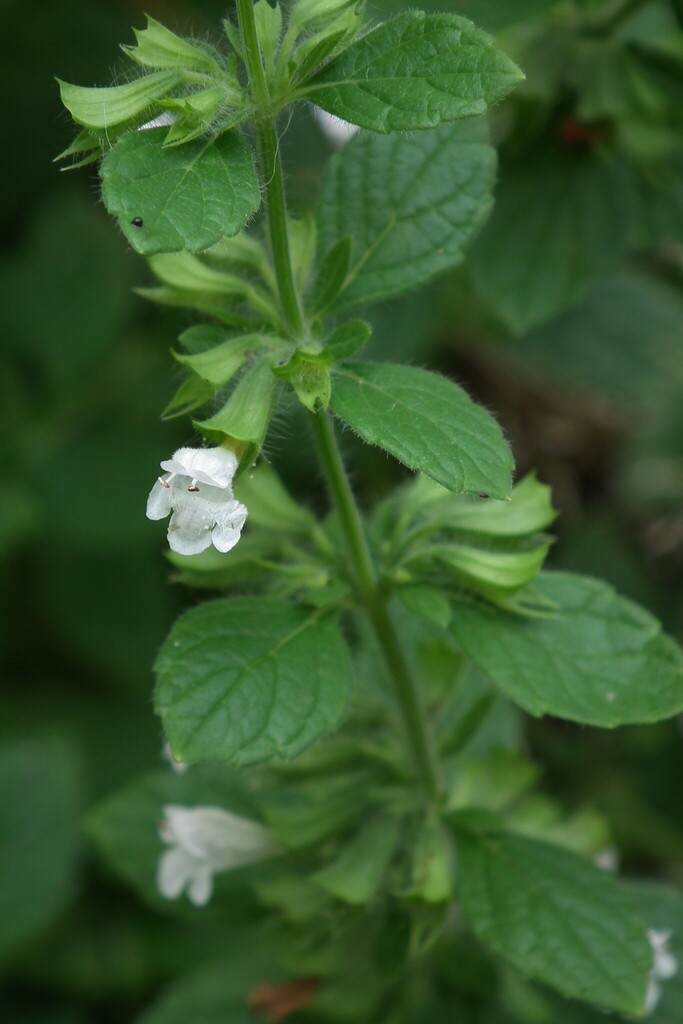
lemon balm
Melissa officinalis
Placenta I Low No biomass productionPerennial herb (40–80 cm), light-green strongly lemon-scented leaves. Tolerates partial shade — fills shaded niches where rosemary and thyme don't ...
-
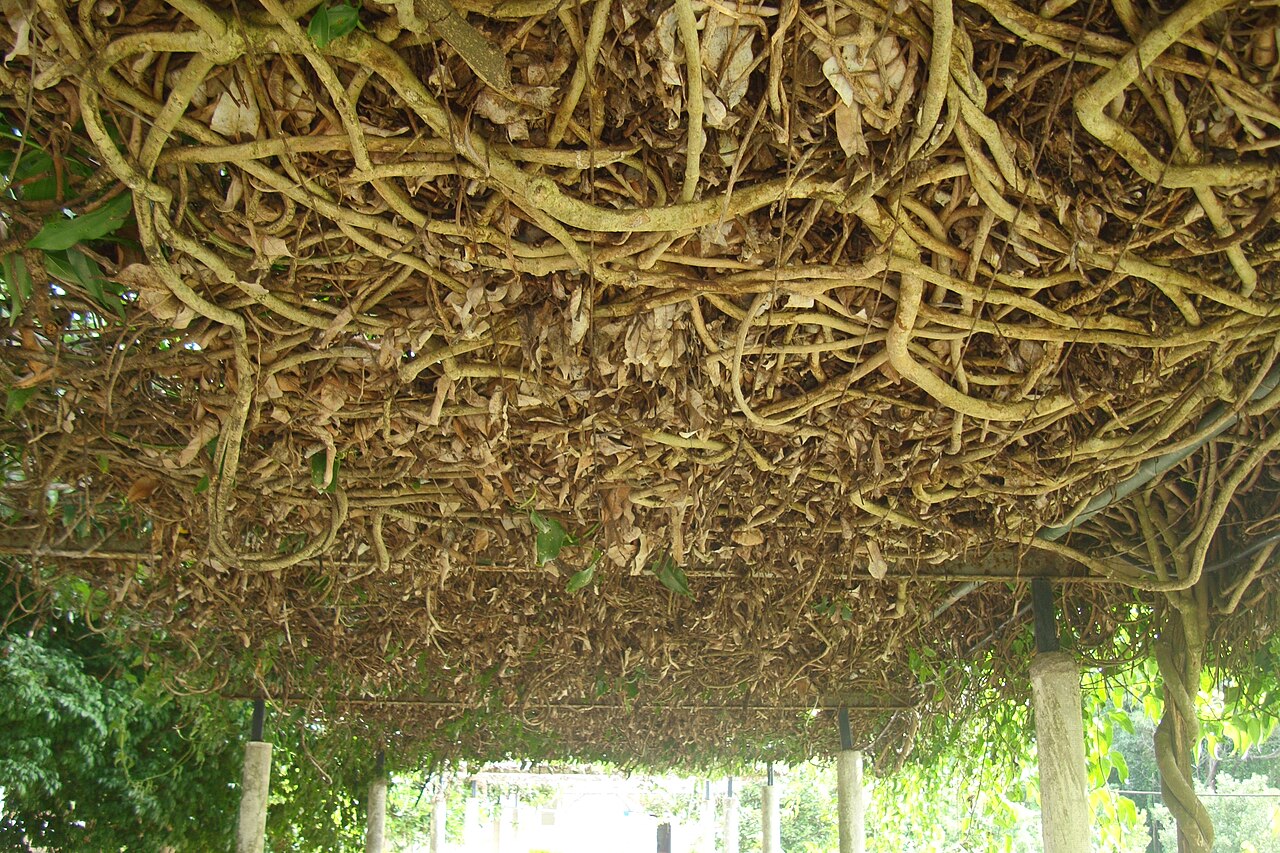
guaco
Mikania glomerata
Secondary I Medium Mulch biomassA perennial woody climber (liana) of the Asteraceae family, native to the Atlantic Forest of southeastern and southern Brazil, occurring along rive...
-
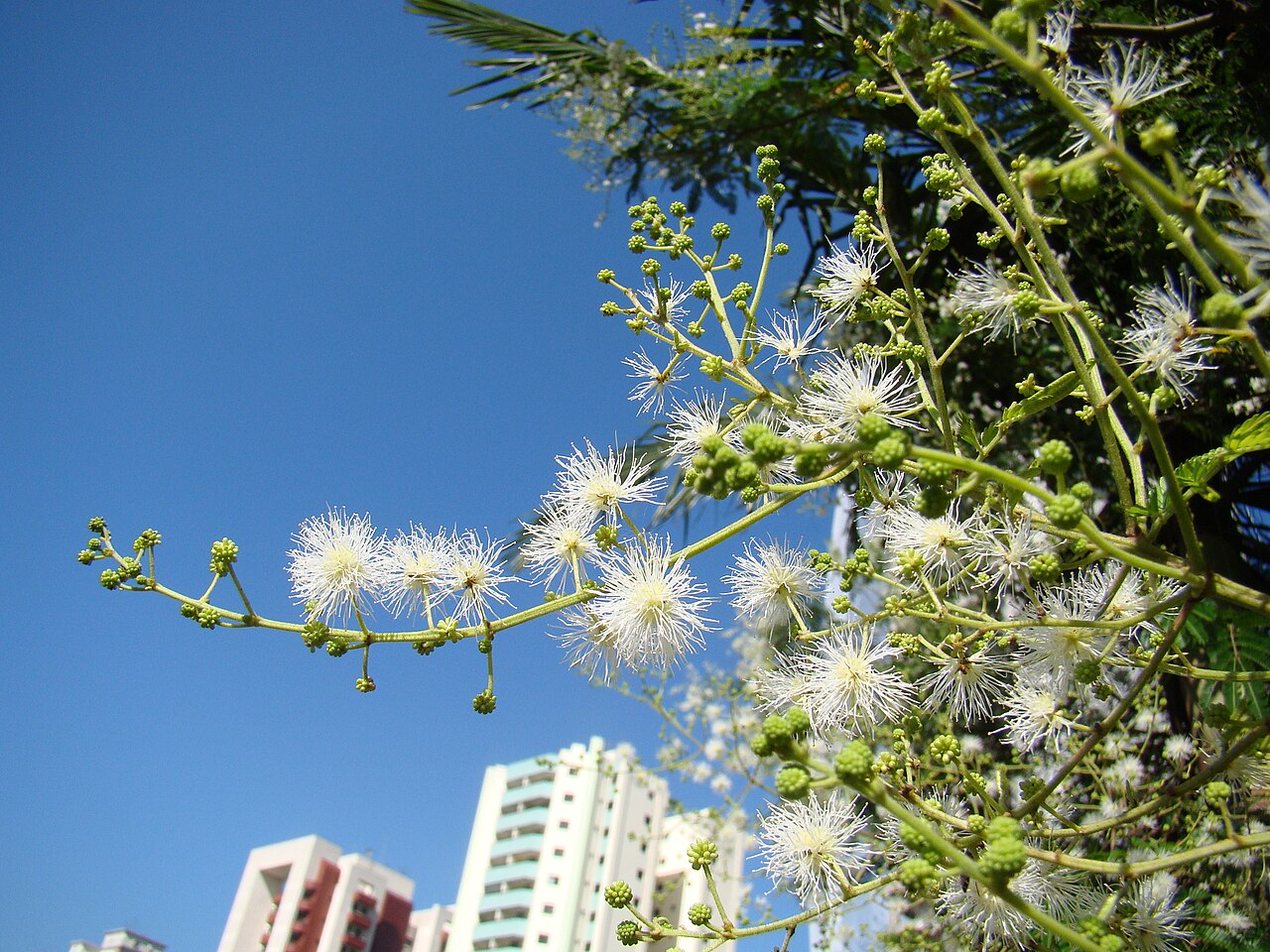
maricá
Mimosa bimucronata
Placenta II Medium Fertilizer biomass 🌱 Nitrogen fixerA pioneer leguminous tree or small tree, spiny and much-branched, 4-8 m tall (occasionally to 15 m), native to eastern and southern Brazil. It fixe...
-
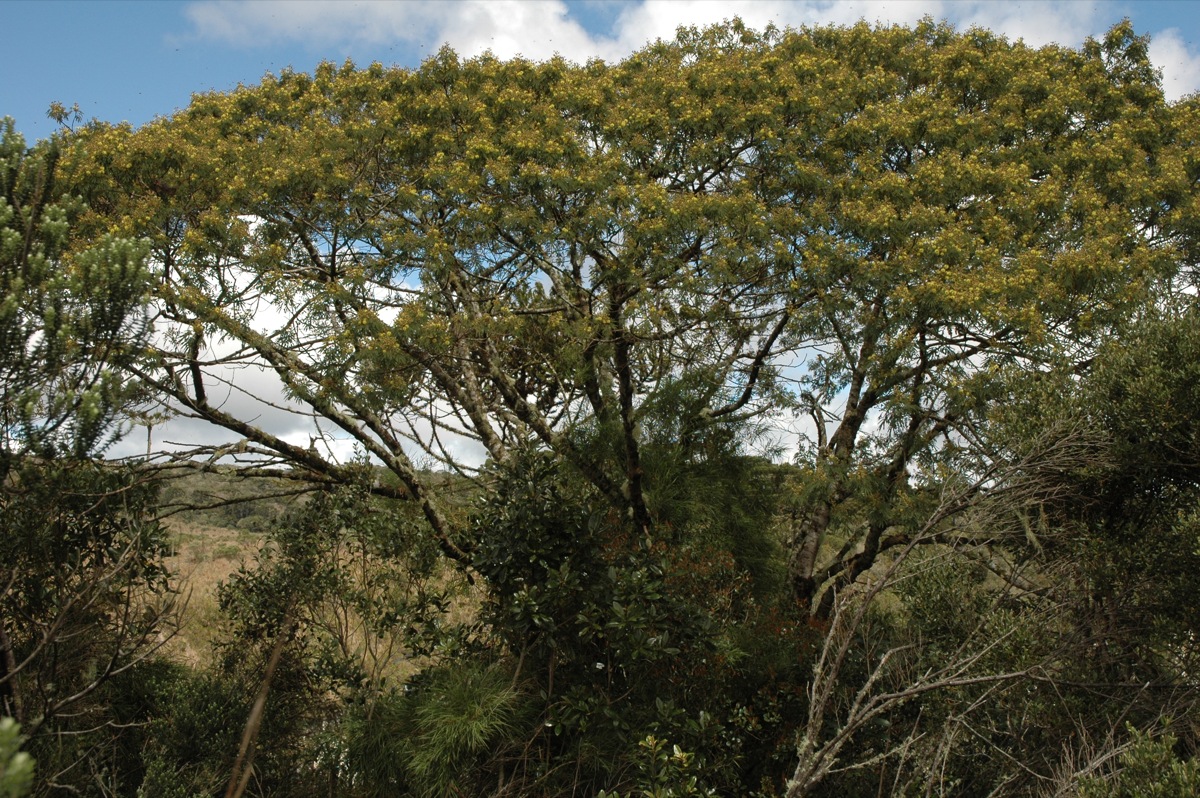
bracatinga
Mimosa scabrella
Secondary I High Fertilizer biomass 🌱 Nitrogen fixerPioneer legume native to southern Brazil and highland Atlantic Forest, listed by IPOEMA among anchor Brazilian species for SAFs (alongside cacao, y...
-
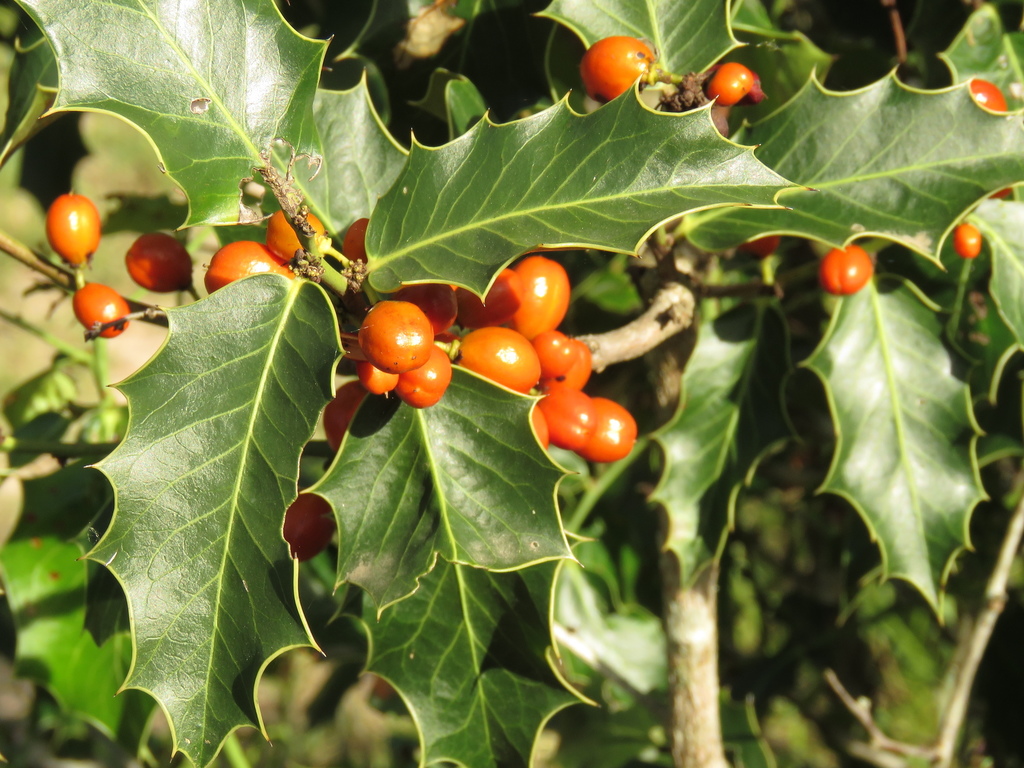
holythorn
Monteverdia ilicifolia
Secondary I Medium No biomass productionAn evergreen shrub or small tree of the Celastraceae family, native to southern and southeastern Brazil, with leathery, spiny-margined holly-like l...
-
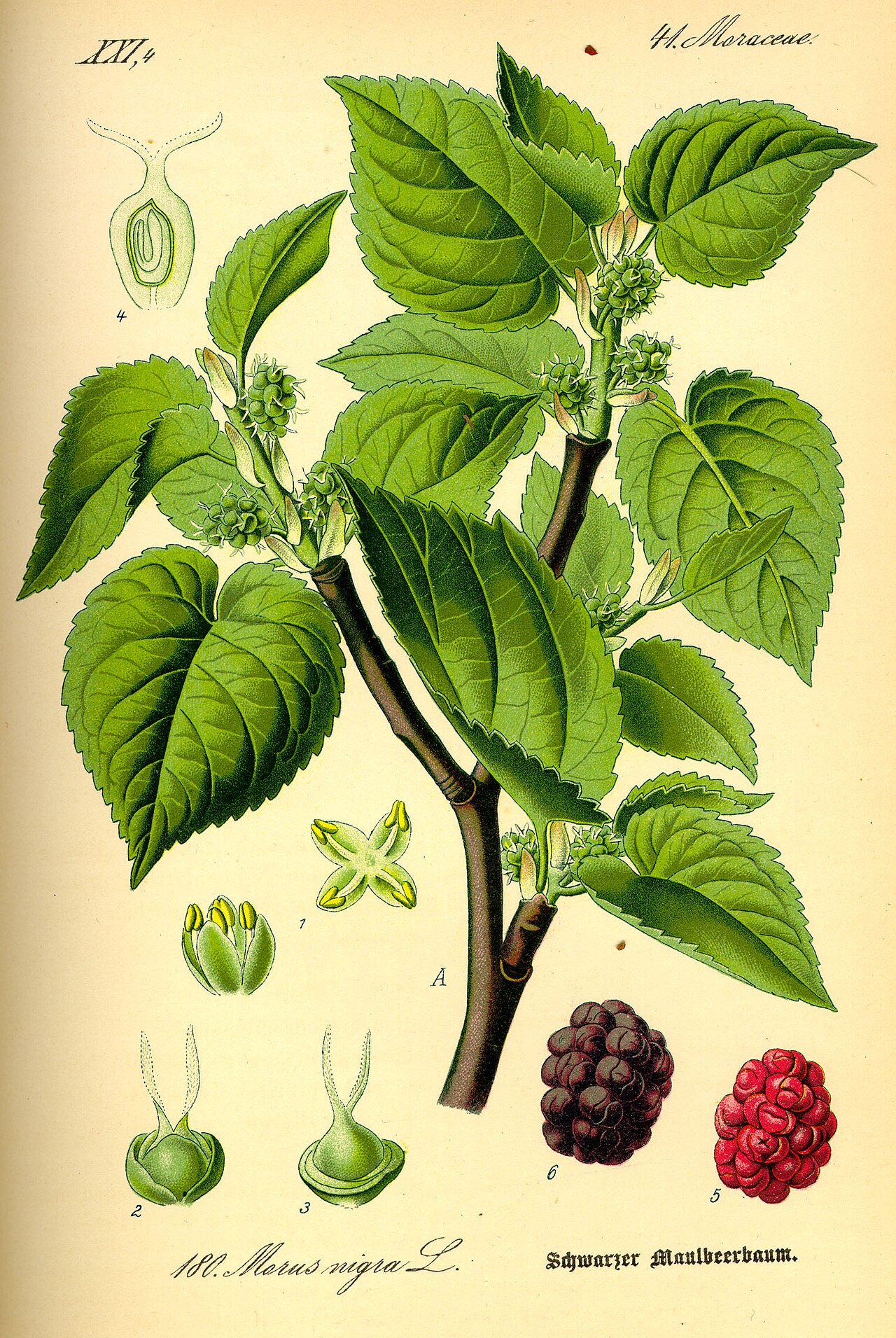
black mulberry
Morus nigra
Secondary I High Fertilizer biomassFast-growing fruit tree, tolerates drastic pruning well and coppices readily — ideal as a nurse plant in syntropic systems. Pasini lists it in the ...
-
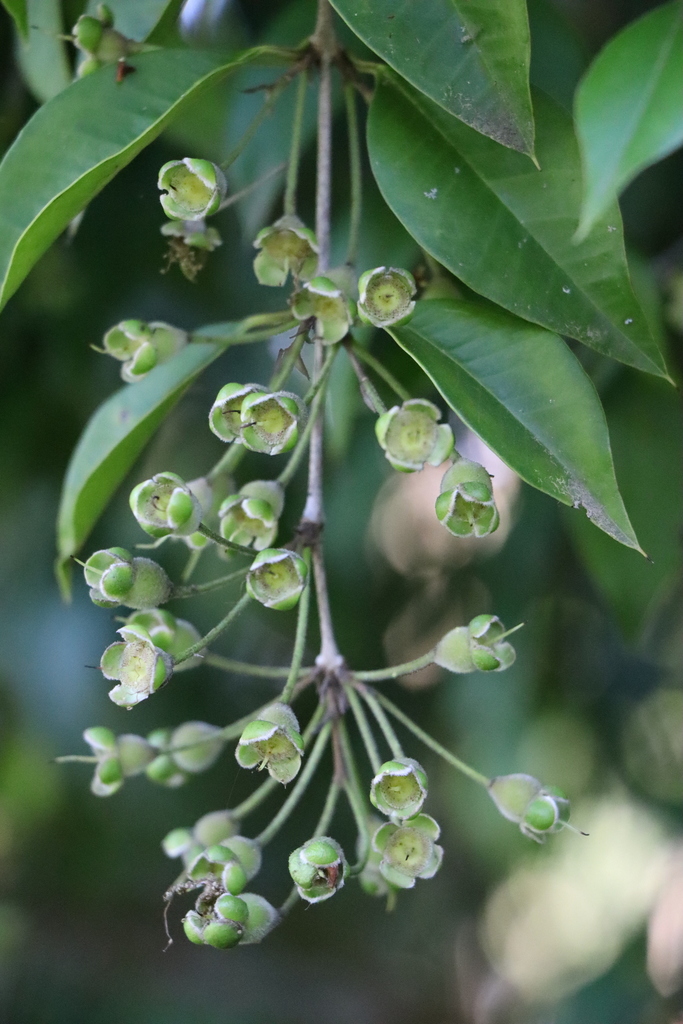
guabiju
Myrcianthes pungens
Secondary II High Mulch biomassNative tree of the Pampa, southern Atlantic Forest, and southern Minas Gerais. 8–15 m, dense canopy. Dark-red to purple fruit, sweet delicately fla...
-
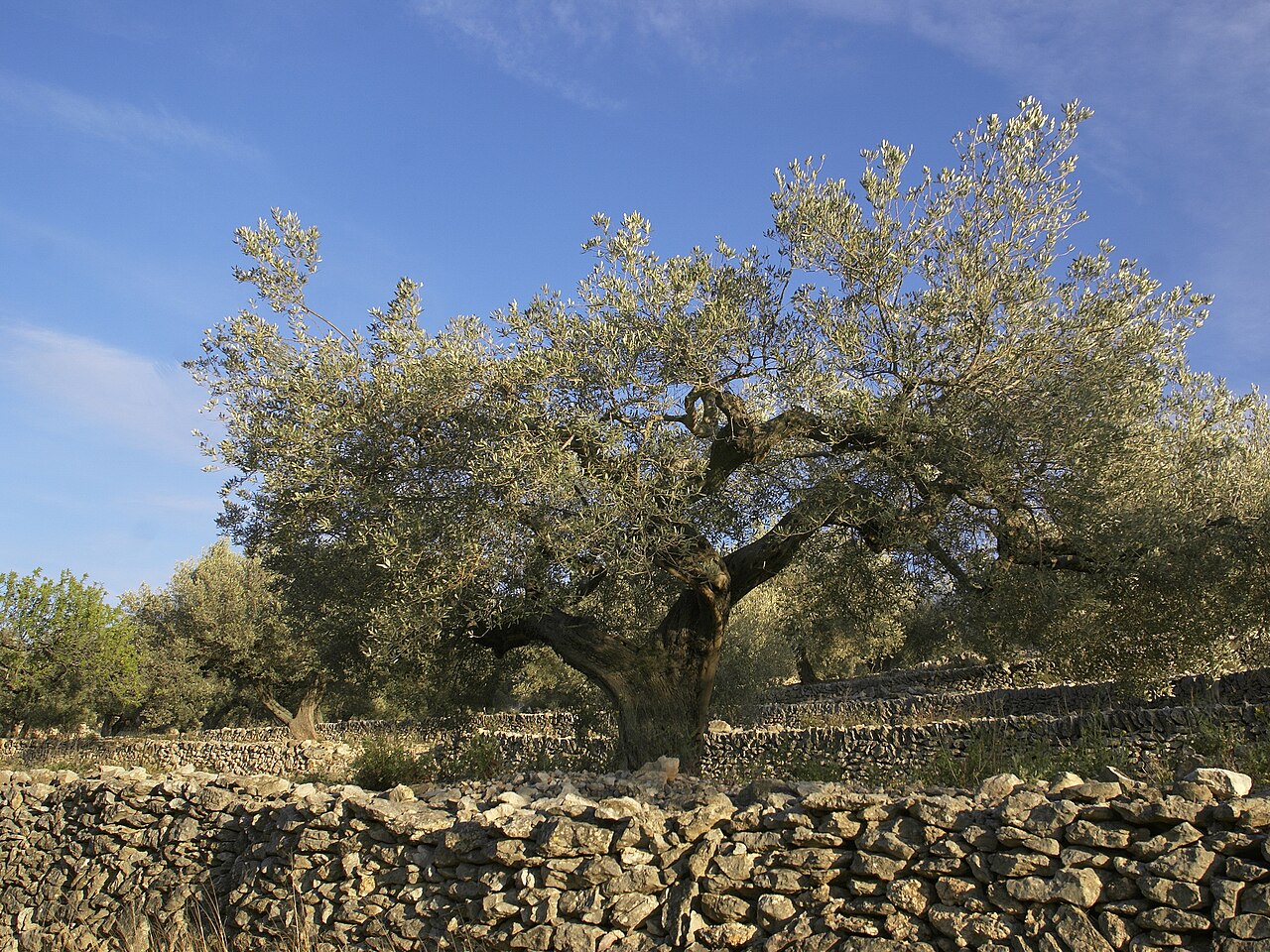
olive
Olea europaea
Secondary II Medium No biomass productionOlive, a long-lived evergreen tree of the Oleaceae family, exotic to Brazil and grown in temperate and subtropical regions, notably the Mantiqueira...
-
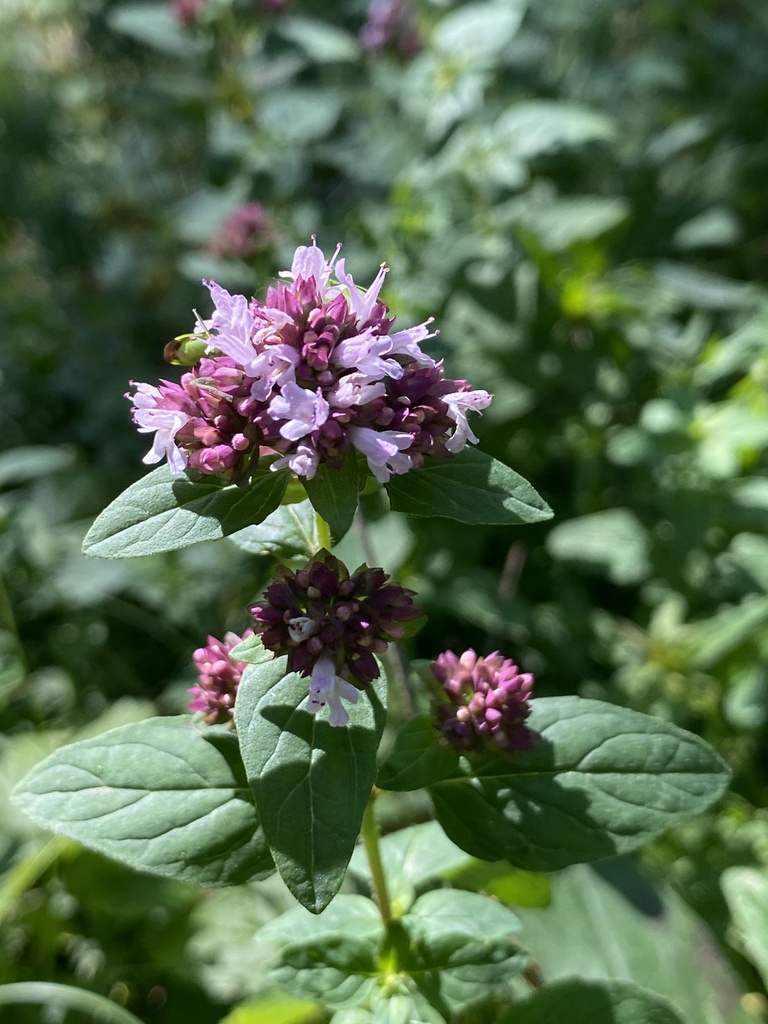
oregano
Origanum vulgare
Placenta I Ground cover No biomass productionPerennial Mediterranean herb (20–60 cm), small aromatic leaves. In southeastern and southern Brazilian syntropic systems used as permanent cover be...
-
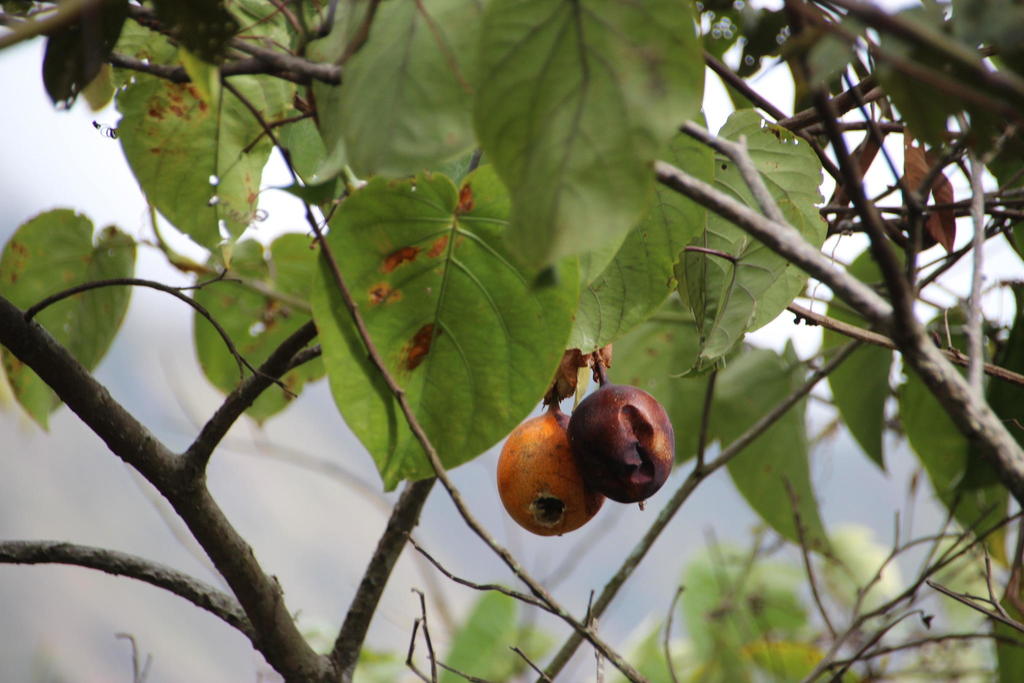
sweet granadilla
Passiflora ligularis
Placenta II Medium No biomass productionAndean species (Colombia, Peru, Ecuador). Altitude vine (1,000–2,500 m); orange-yellow fruit with translucent pulp, black seeds, sweet aromatic fla...
-
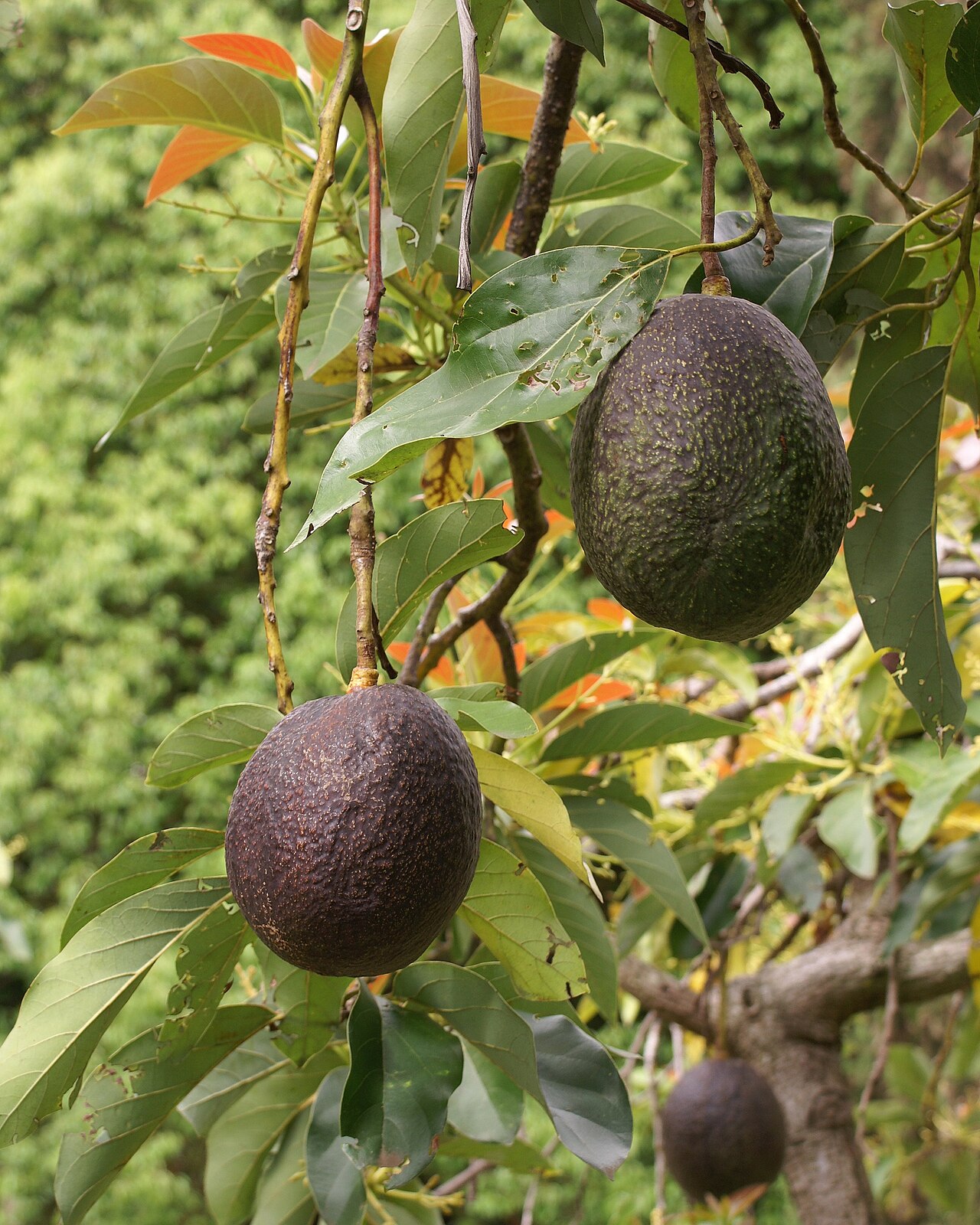
hass avocado
Persea americana
Secondary II High No biomass productionMexican-Guatemalan cultivar (~80% Mexican), floral type A. Small-to-medium fruit (180–300 g), pebbly skin that darkens at ripeness, creamy flesh wi...
-
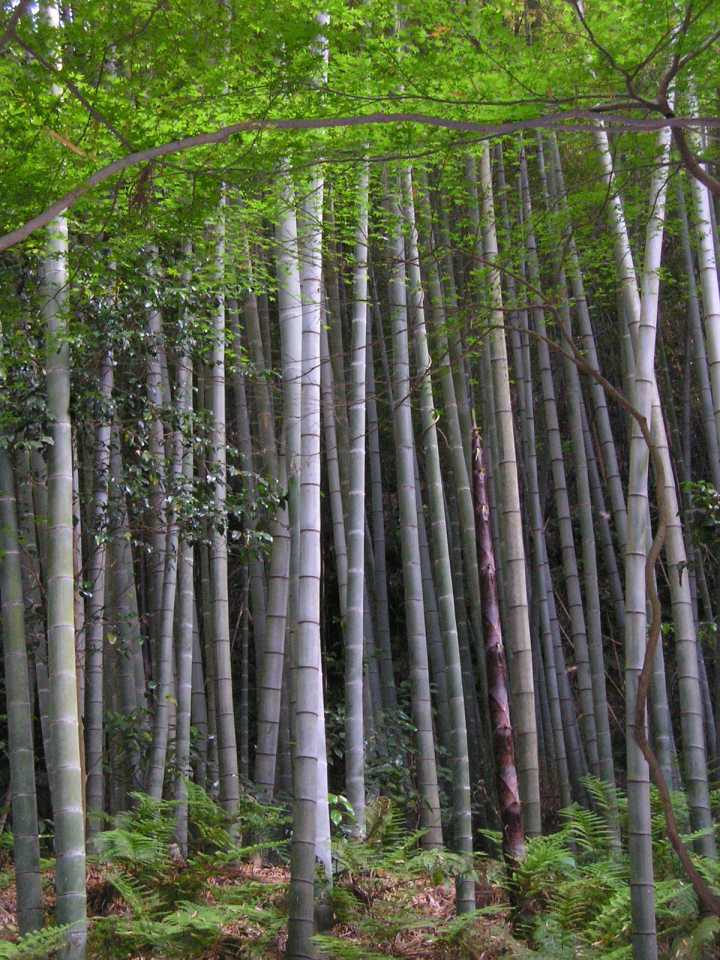
moso bamboo
Phyllostachys edulis
Secondary I Emergent Mulch biomassA running (spreading) bamboo native to China and Taiwan, the most cultivated species for timber and fiber in East Asia. It reaches up to 28 m tall ...
-
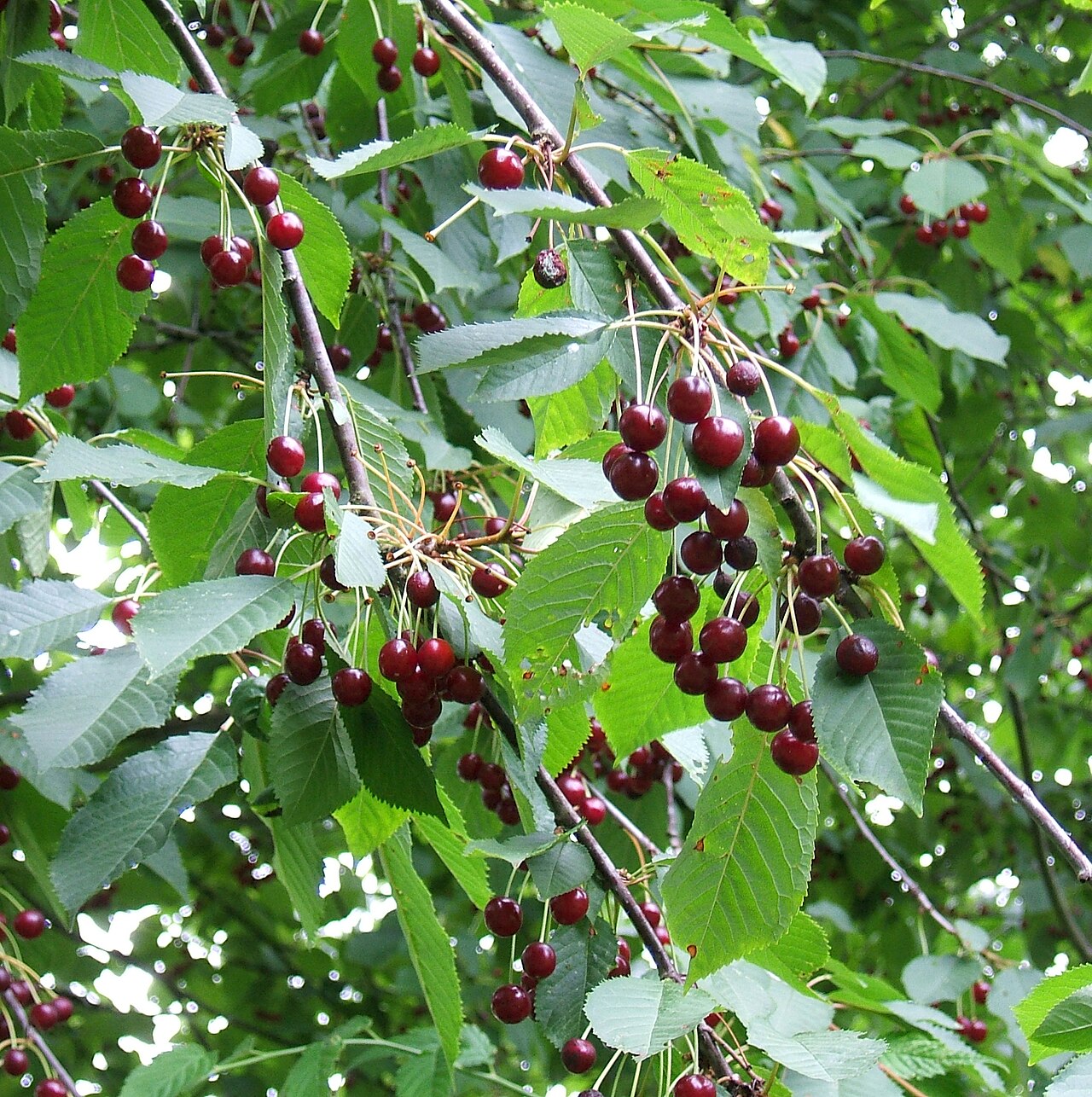
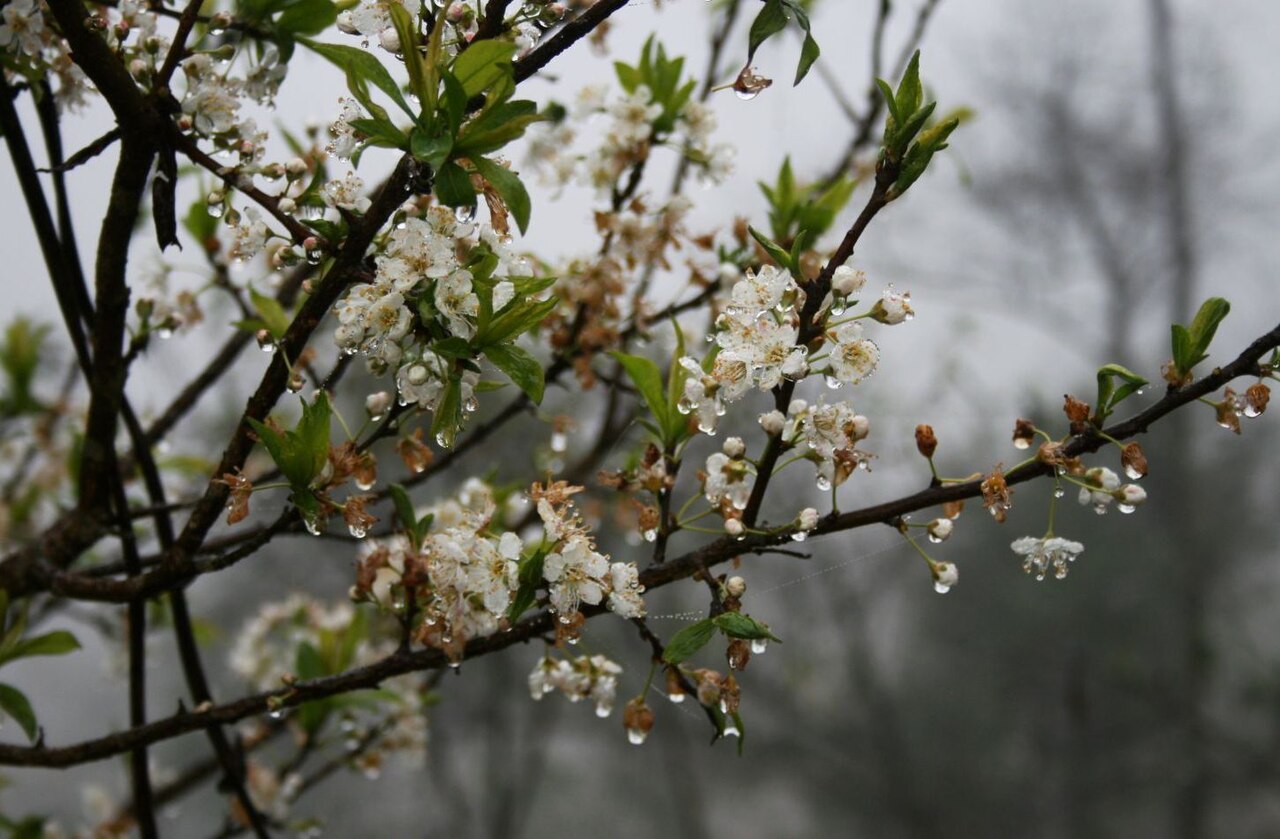
sweet cherry
Prunus avium
Secondary II High No biomass productionSweet cherry, a deciduous tree of the Rosaceae family, exotic to Brazil and highly chill-demanding — most cultivars need more than 800 hours below ...
-
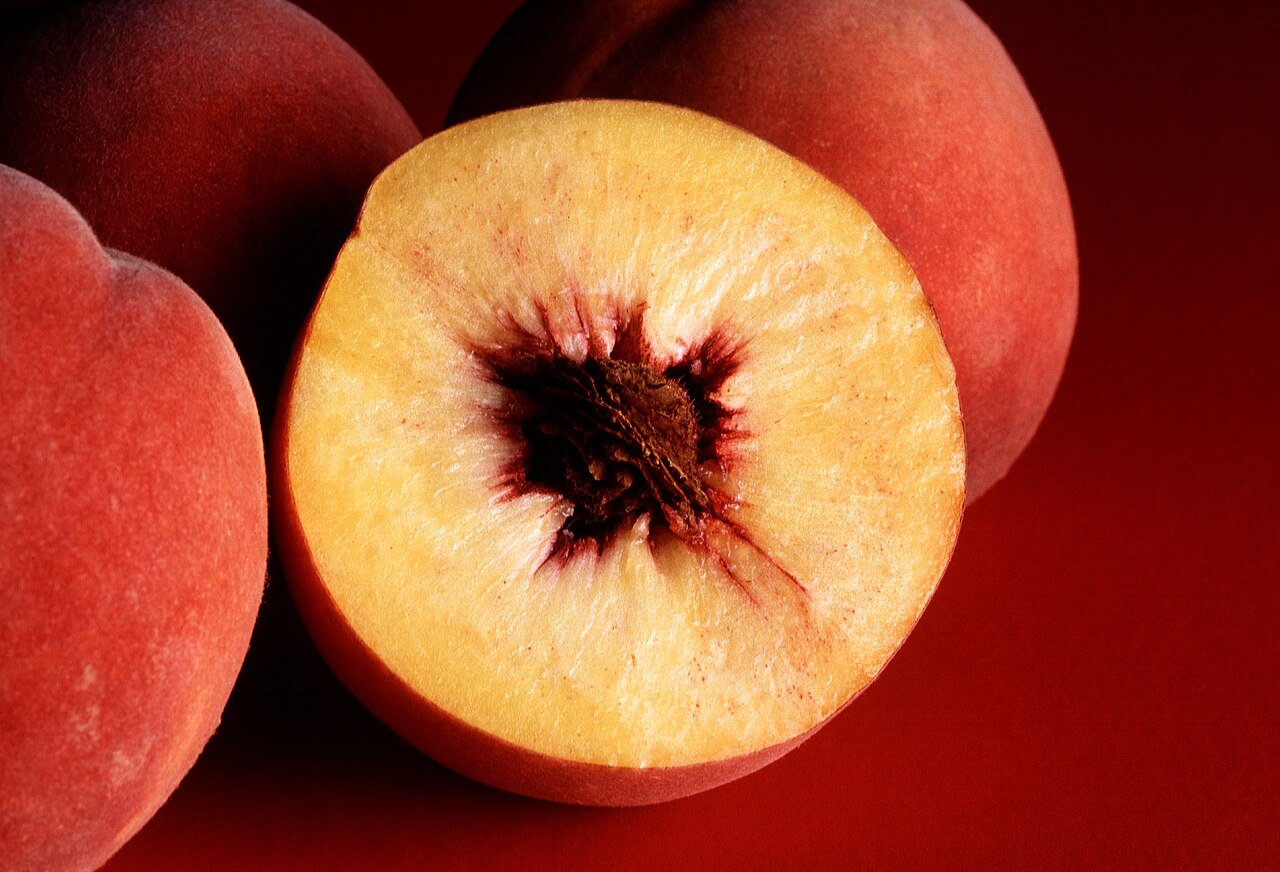
peach
Prunus persica
Secondary I Medium No biomass productionA deciduous fruit tree of the Rosaceae family, exotic to Brazil but well adapted to the temperate-climate regions of the south. It requires winter ...
-
Japanese plum
Prunus salicina
Secondary I Medium No biomass productionA deciduous plum tree originating in China, widely grown in southern Brazil as a temperate fruit crop. It has a moderate chill requirement (cultiva...
-
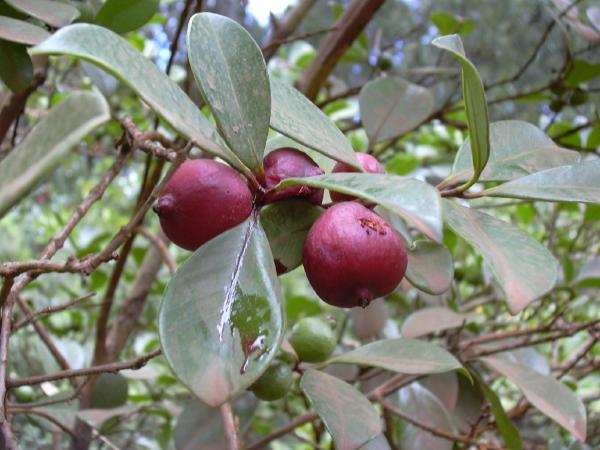
strawberry guava
Psidium cattleyanum
Secondary I High No biomass productionSmall native Atlantic Forest fruit tree, listed by Pasini in the high stratum of Tabela 3. Small red or yellow fruit similar to a guava with intens...
-
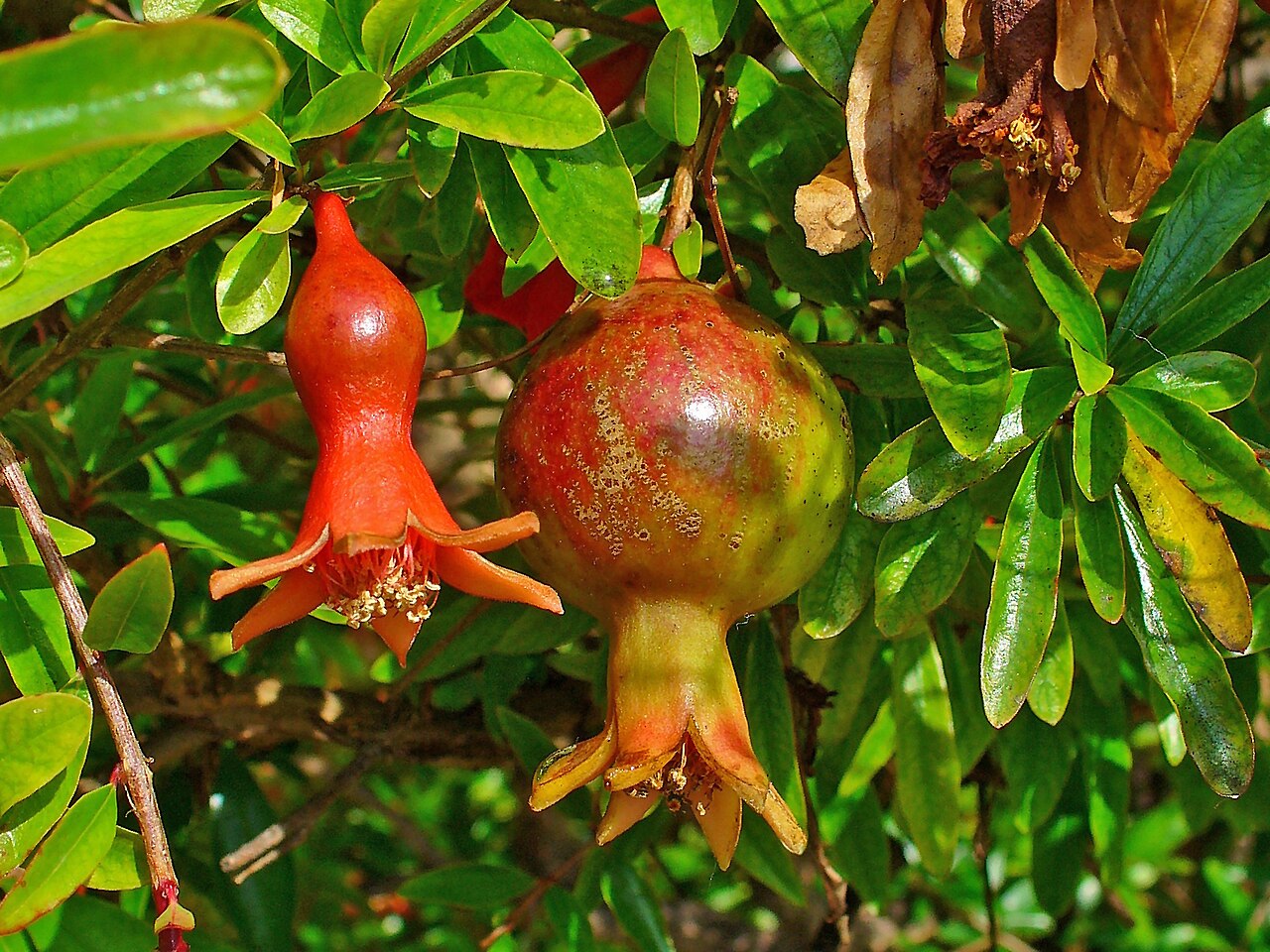
pomegranate
Punica granatum
Secondary I Low No biomass productionPomegranate, a deciduous shrub or small tree of the Lythraceae family, exotic to Brazil and cultivated across a wide range of the country. Drought-...
-
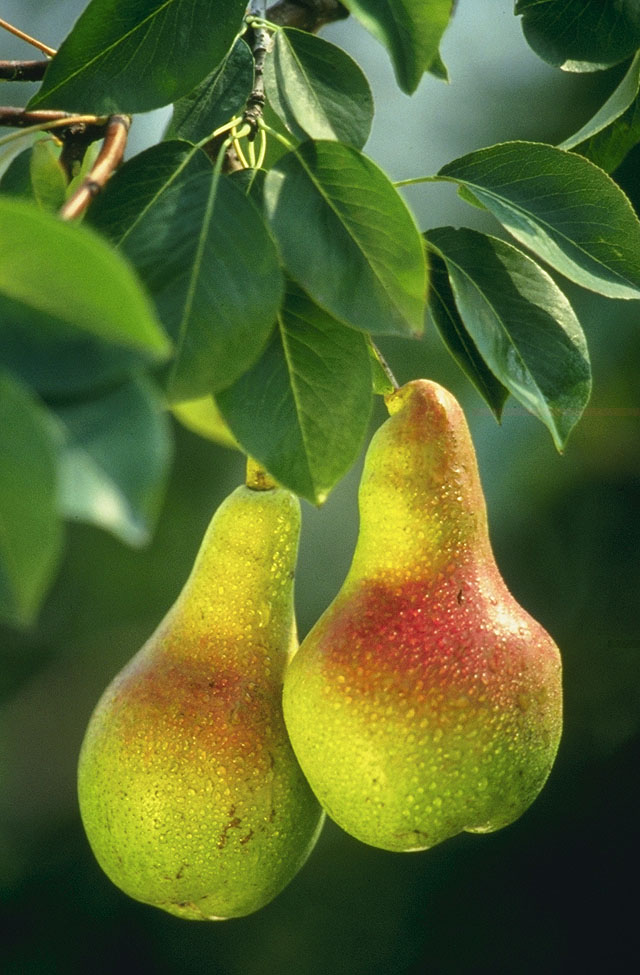
European pear
Pyrus communis
Secondary II Medium No biomass productionThe European pear, a deciduous fruit tree of the Rosaceae family, exotic to Brazil and demanding in chill (usually more than 600 hours below 7 °C)....
-
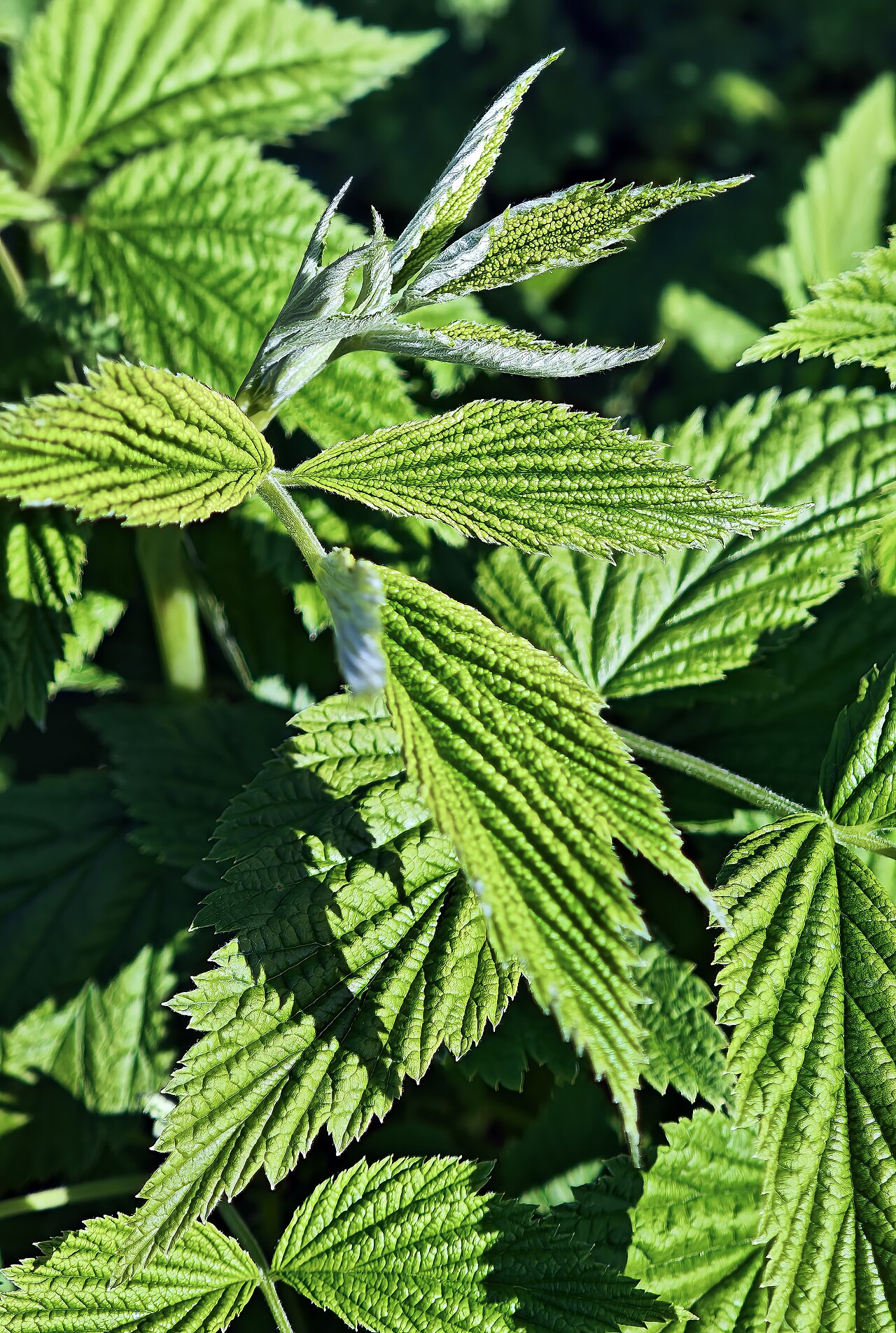
raspberry
Rubus idaeus
Secondary I Low No biomass productionRaspberry, a perennial shrub with biennial canes of the Rosaceae family, exotic to Brazil and grown in cold regions of the south and in highland mi...
-
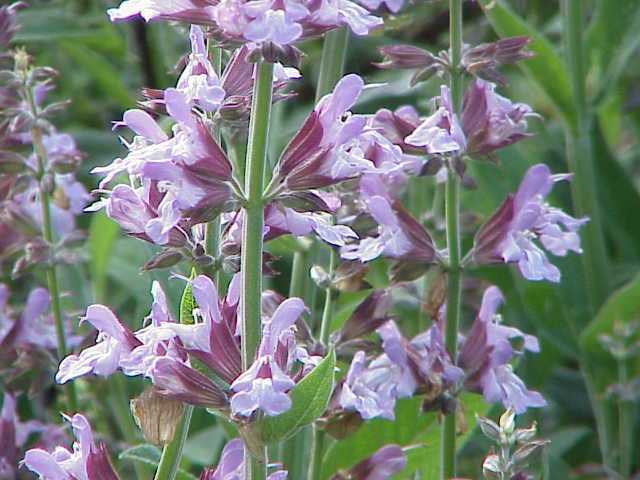
sage
Salvia officinalis
Placenta II Low No biomass productionPerennial Mediterranean subshrub (40–80 cm), grey-green aromatic leaves. Cold-hardy. In subtropical syntropic systems pairs well with rosemary and ...
-
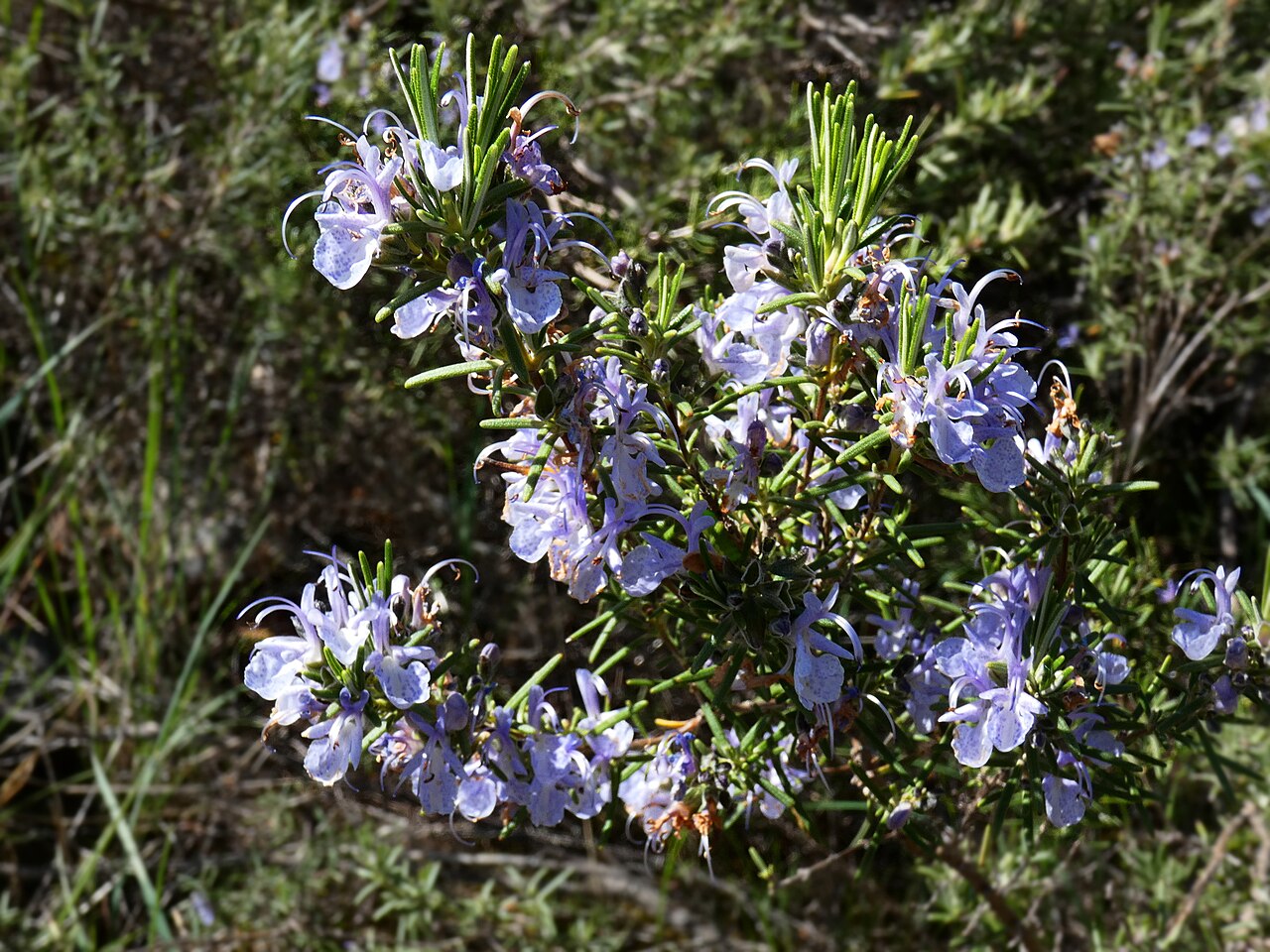
rosemary
Salvia rosmarinus
Placenta II Low No biomass productionPerennial Mediterranean shrub (0.8–1.5 m), aromatic, narrow resinous leaves. Extreme drought tolerance; prefers well-drained slightly alkaline soil...
❓ Frequently asked questions
What is the Oceanic (Cfb) climate?
Mild summers with no dry season. Highland areas of southern Brazil and southern South America. Favours temperate-climate species: peach, apple, pear, walnut.
Which plants does the catalog suggest for the Oceanic (Cfb) climate?
The catalog holds 58 species, among them açoita-cavalo, macadamia nut, apple. Each profile shows stratum, succession stage, and the management data, with sources cited.