
Function
Fruit — species for syntropic systems
Fruit species are the guild's continuous-production flagship. Combining different strata and harvest seasons, the same ground yields fruit all year.
207 species in the catalog · Refine this list in the catalog
-
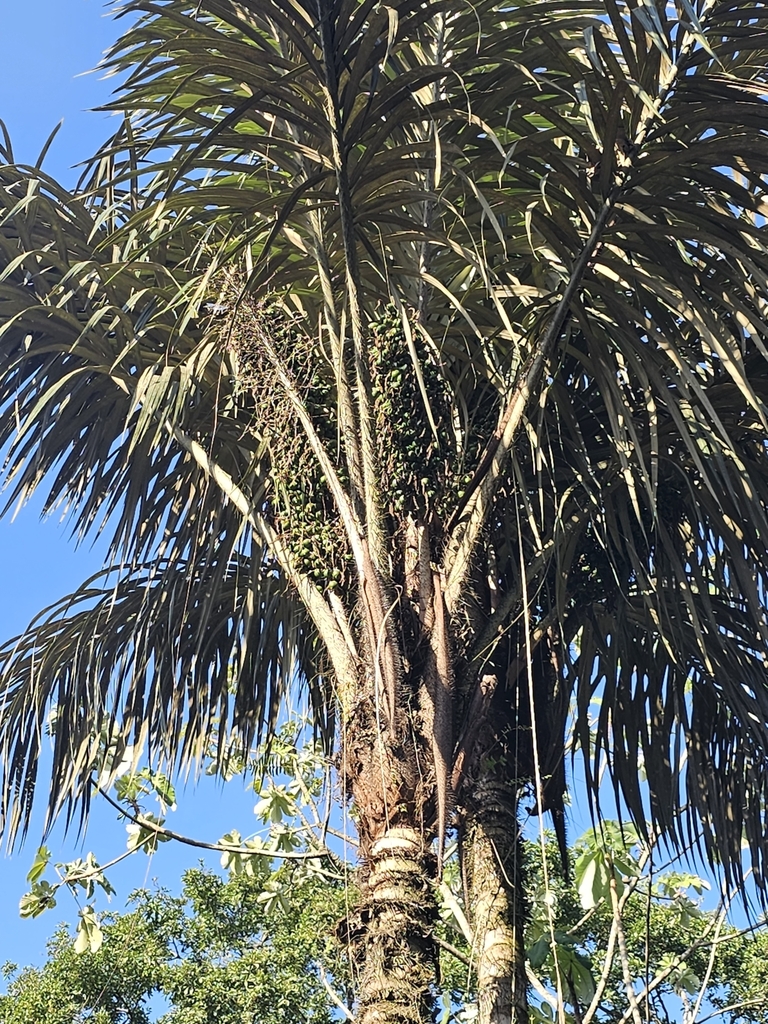
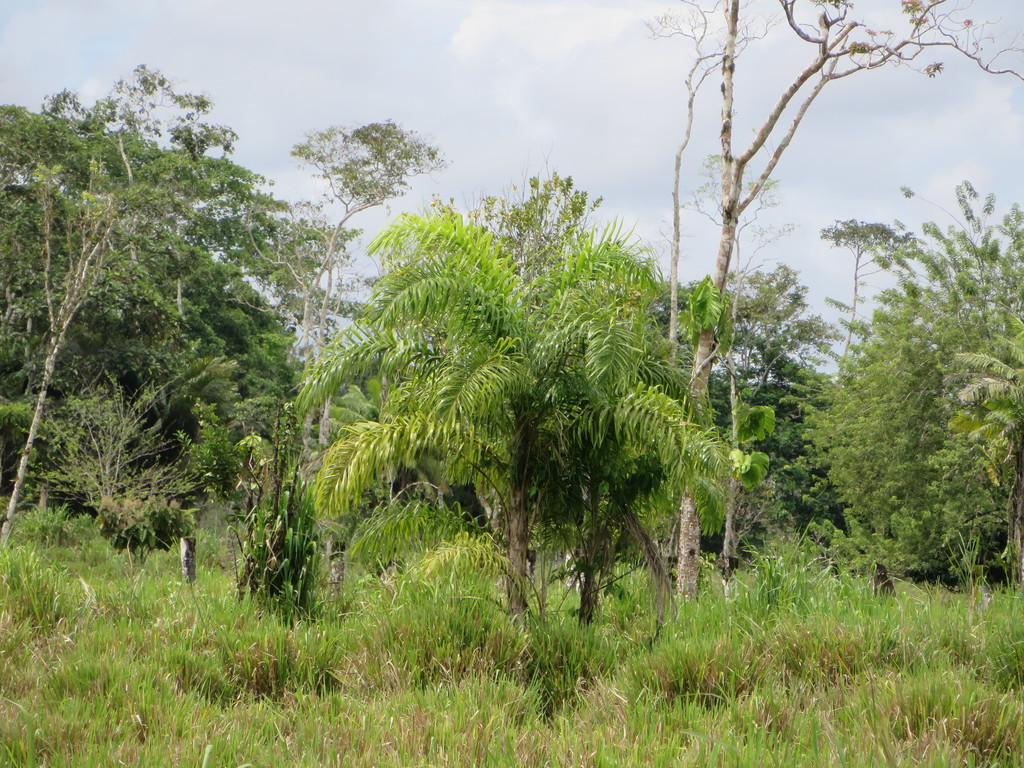
tucumã palm
Astrocaryum vulgare
Secondary II High No biomass productionAmazonian high-stratum spiny palm, listed by Embrapa among native fruit species for Amazonian SAFs. Orange fruits very rich in beta-carotene and oi...
-
babassu palm
Attalea speciosa
Climax Emergent Mulch biomassNative palm of the transition zones between the Amazon, Cerrado, and Caatinga — strongly present in Maranhão, Piauí, Tocantins, and northern Goiás....
-
bilimbi
Averrhoa bilimbi
Secondary I Medium No biomass productionSmall tropical tree (5–10 m), close relative of carambola (Averrhoa carambola, already in canon). Small green cylindrical very acidic fruits — used...
-
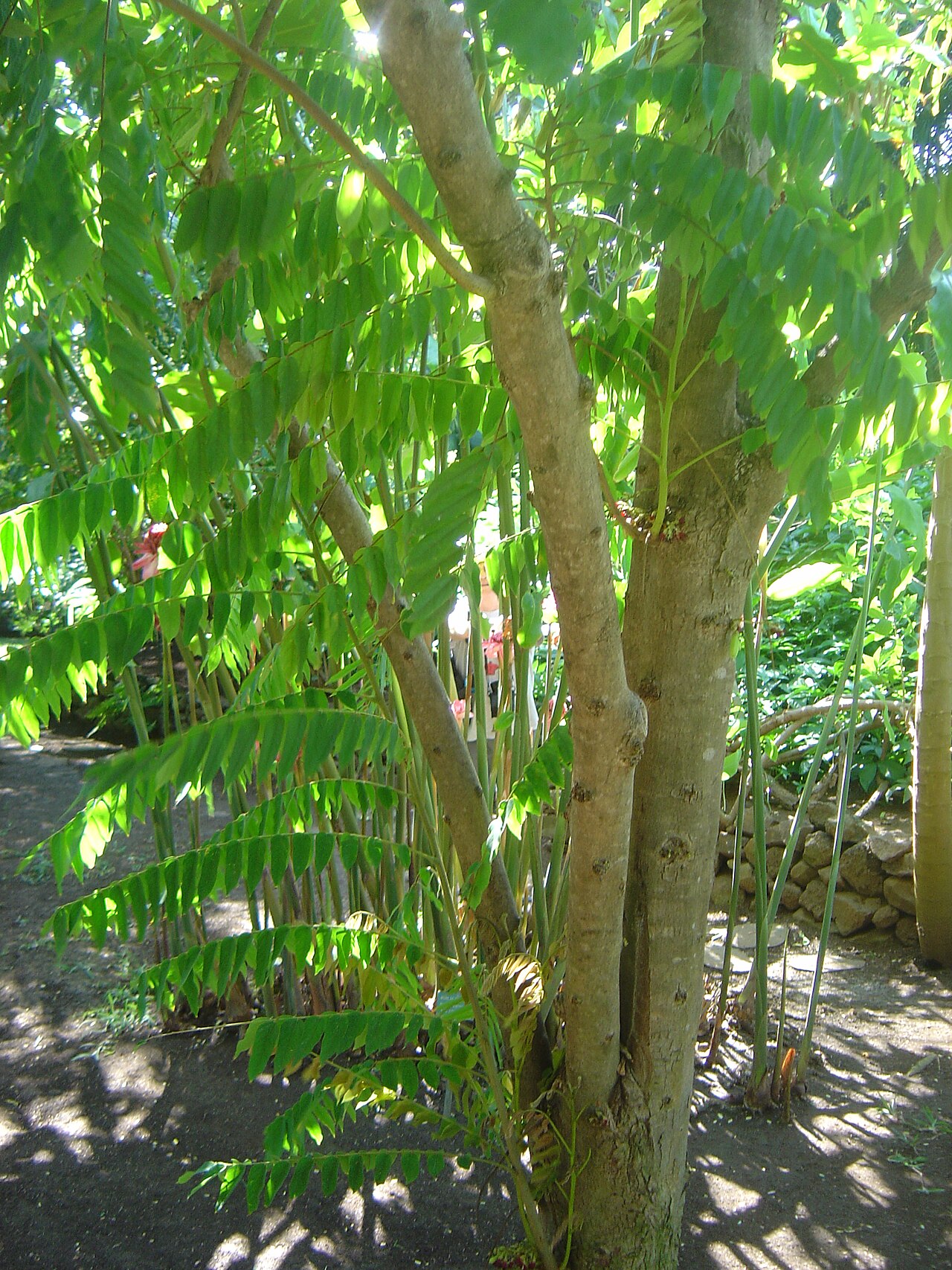
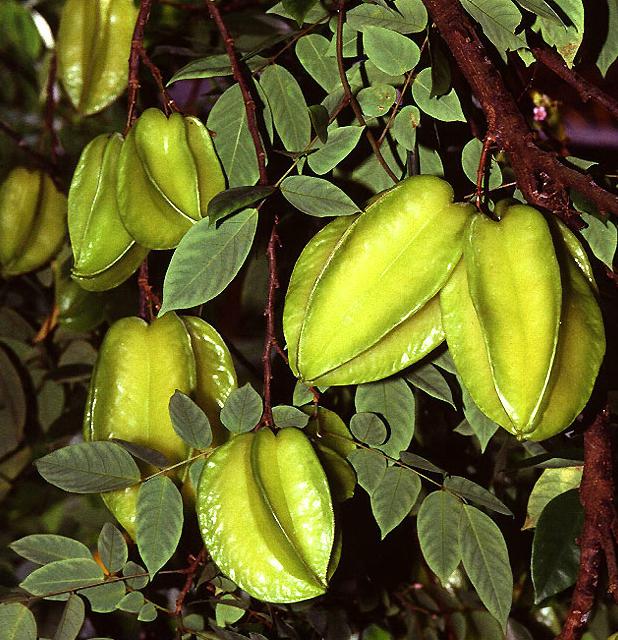
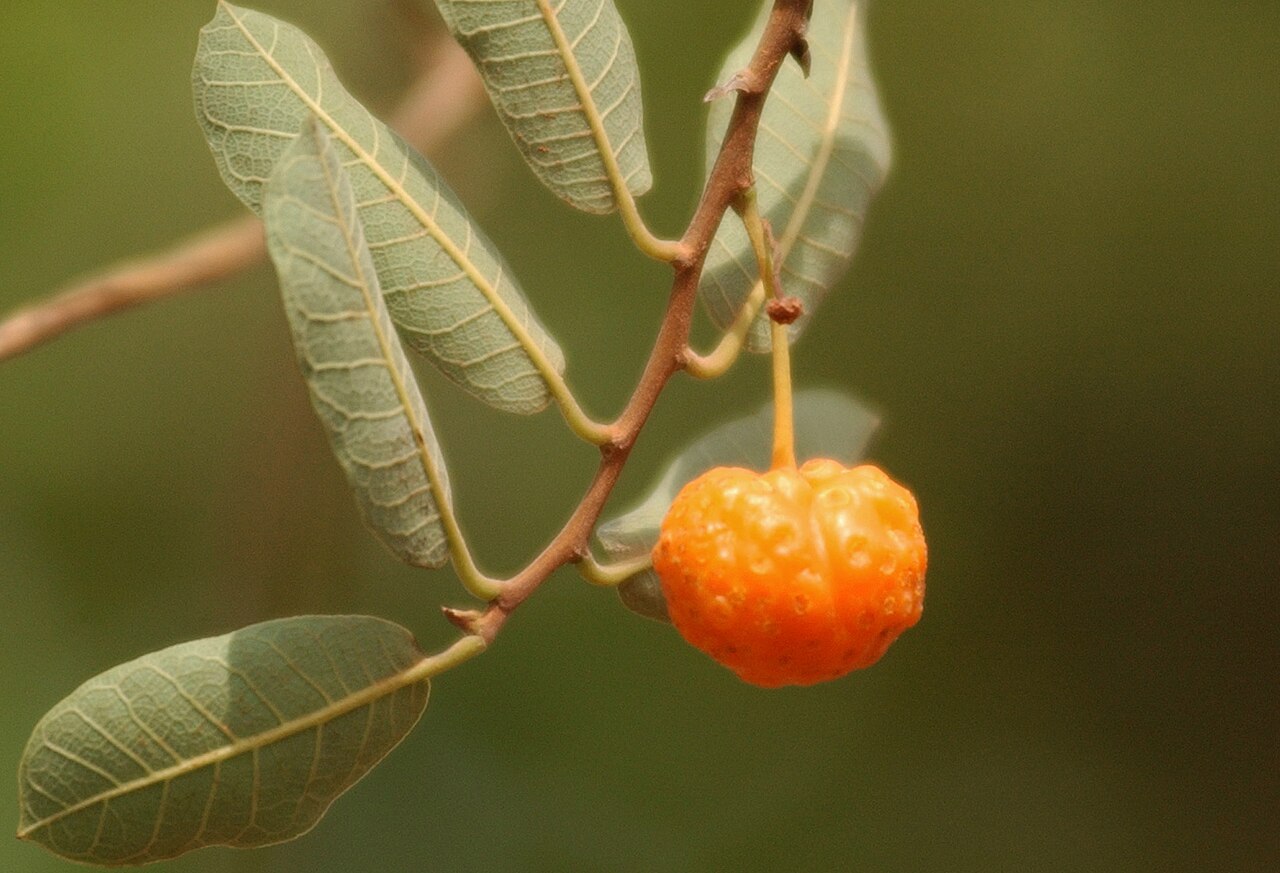
starfruit
Averrhoa carambola
Secondary II Medium No biomass productionAsian fruit tree naturalized in Brazil, with the characteristic star-shape when sliced. EcoAgri lists it in the medium stratum of the 'up to 50 yea...
-
peach palm
Bactris gasipaes
Secondary II Emergent No biomass productionAmazonian multi-stemmed palm; produces heart of palm in ~3 years and edible fruit in ~5 years. Pasini lists it in the emergent stratum of Tabela 3 ...
-
Brazil nut
Bertholletia excelsa
Climax Emergent Mulch biomassAmazonian emergent giant reaching 50 m. Pasini lists it in the emergent stratum of Tabela 3 and cites 'castanheiras' among Abundance-system species...
-
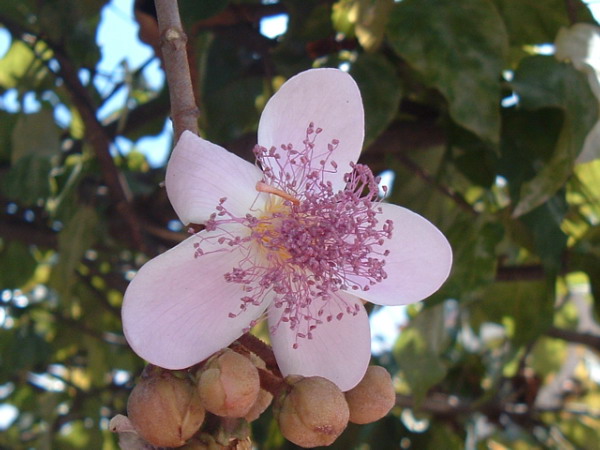
annatto
Bixa orellana
Secondary I Medium No biomass productionTropical American native dye-producing shrub. Pasini lists it in the medium stratum of Tabela 3 and in the 3–10 year phase of Tabela 4. Seeds yield...
-
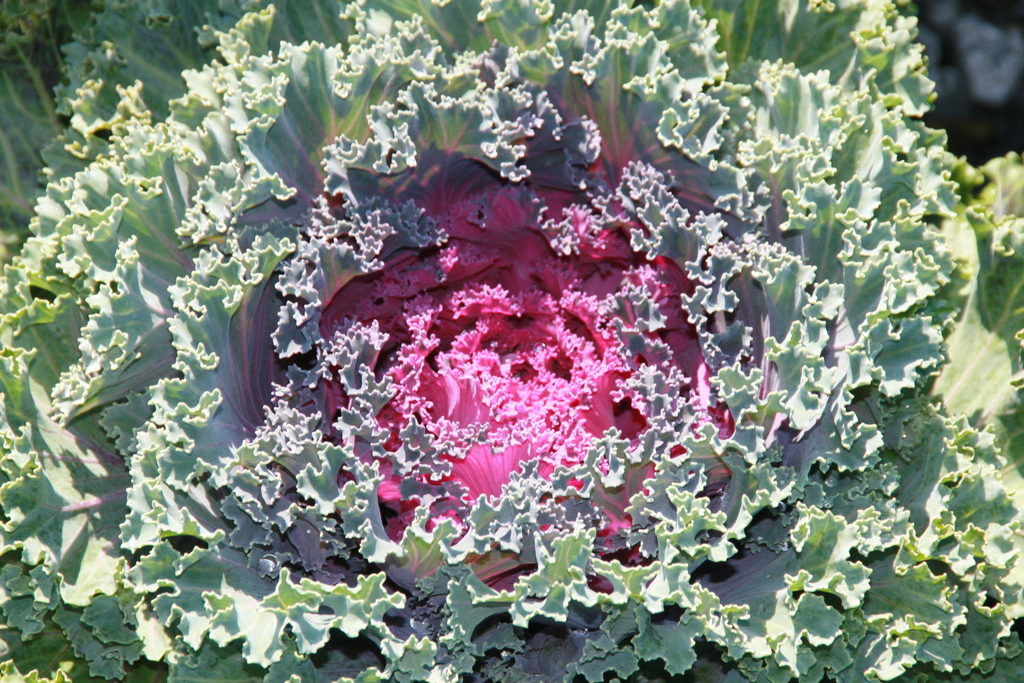
collard greens
Brassica oleracea var. acephala
Placenta I Low No biomass productionPerennial brassica widely grown in Brazilian backyards. Pasini gives it as an example occupying the low stratum in consortium with broccoli (medium...
-
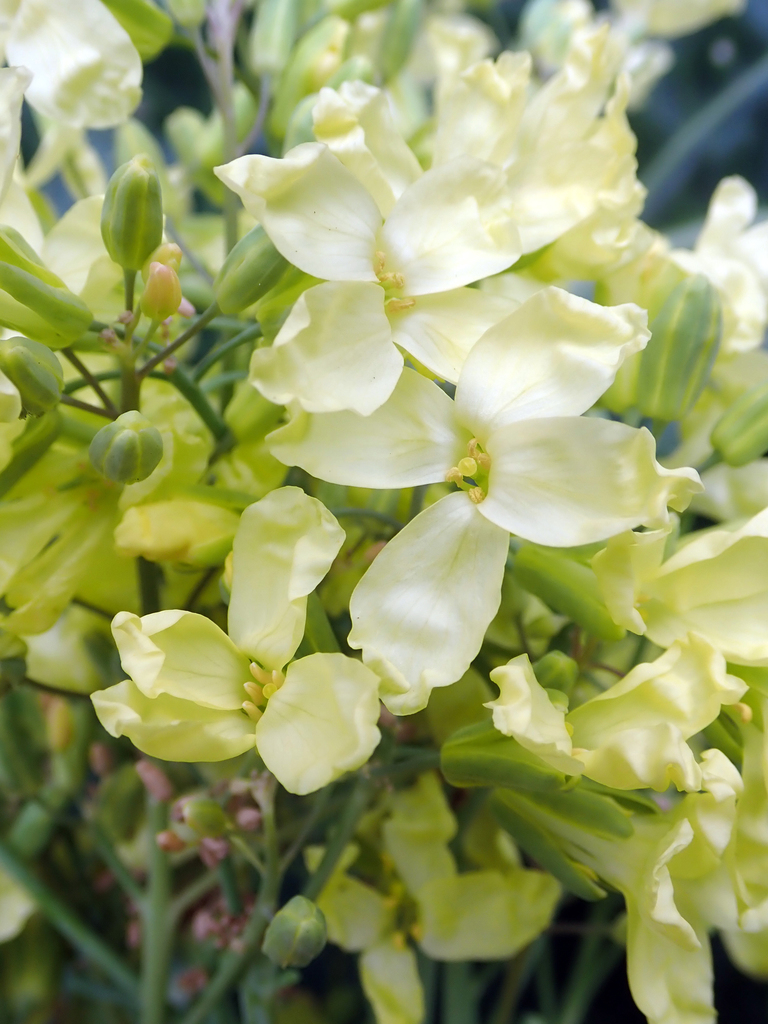
cauliflower
Brassica oleracea var. botrytis
Placenta I Medium No biomass productionAnnual brassica grown for its white inflorescence. Pasini lists it in the high stratum of Tabela 3 (alongside broccoli and cabbage). 90–120 day cyc...
-
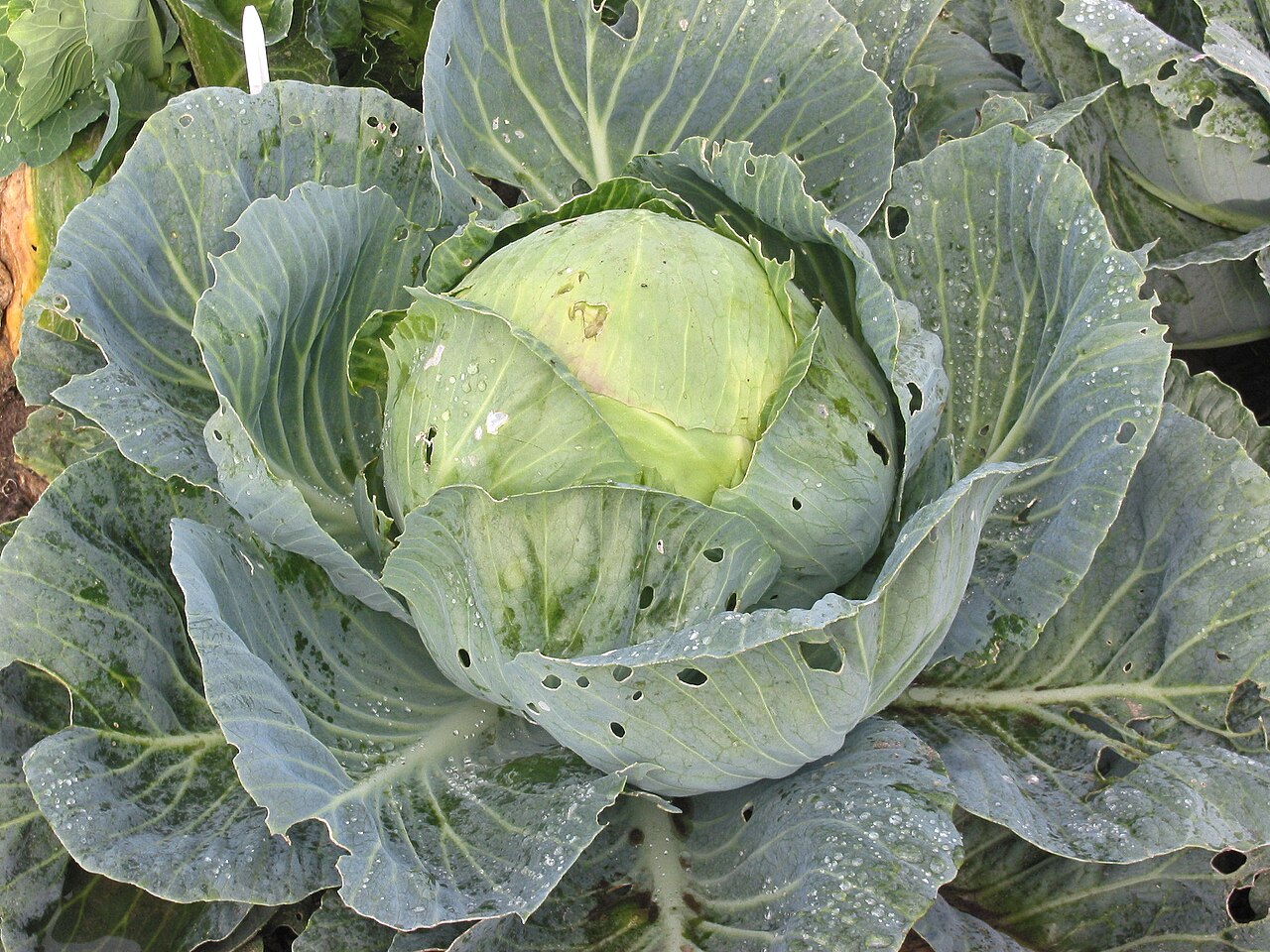
cabbage
Brassica oleracea var. capitata
Placenta I Medium No biomass productionAnnual brassica grown for its compact head of leaves. Pasini lists it in the high stratum of Tabela 3. Tolerates heat better than broccoli or cauli...
-
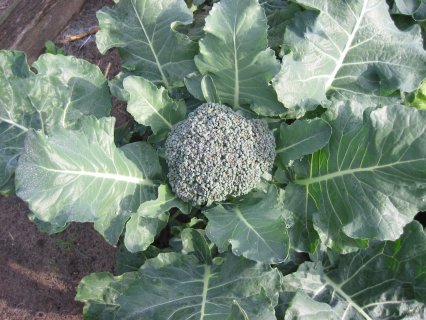
broccoli
Brassica oleracea var. italica
Placenta I Medium No biomass productionAnnual brassica grown for its green inflorescence. Pasini gives it as an example occupying the medium stratum in consortium with collards (low), to...
-
mama-cadela
Brosimum gaudichaudii
Secondary II Medium No biomass productionNative Cerrado small tree (3–8 m), exudes white latex. Small orange-yellow edible fruits with sweet taste. Medicinal root — psoralen traditionally ...
-
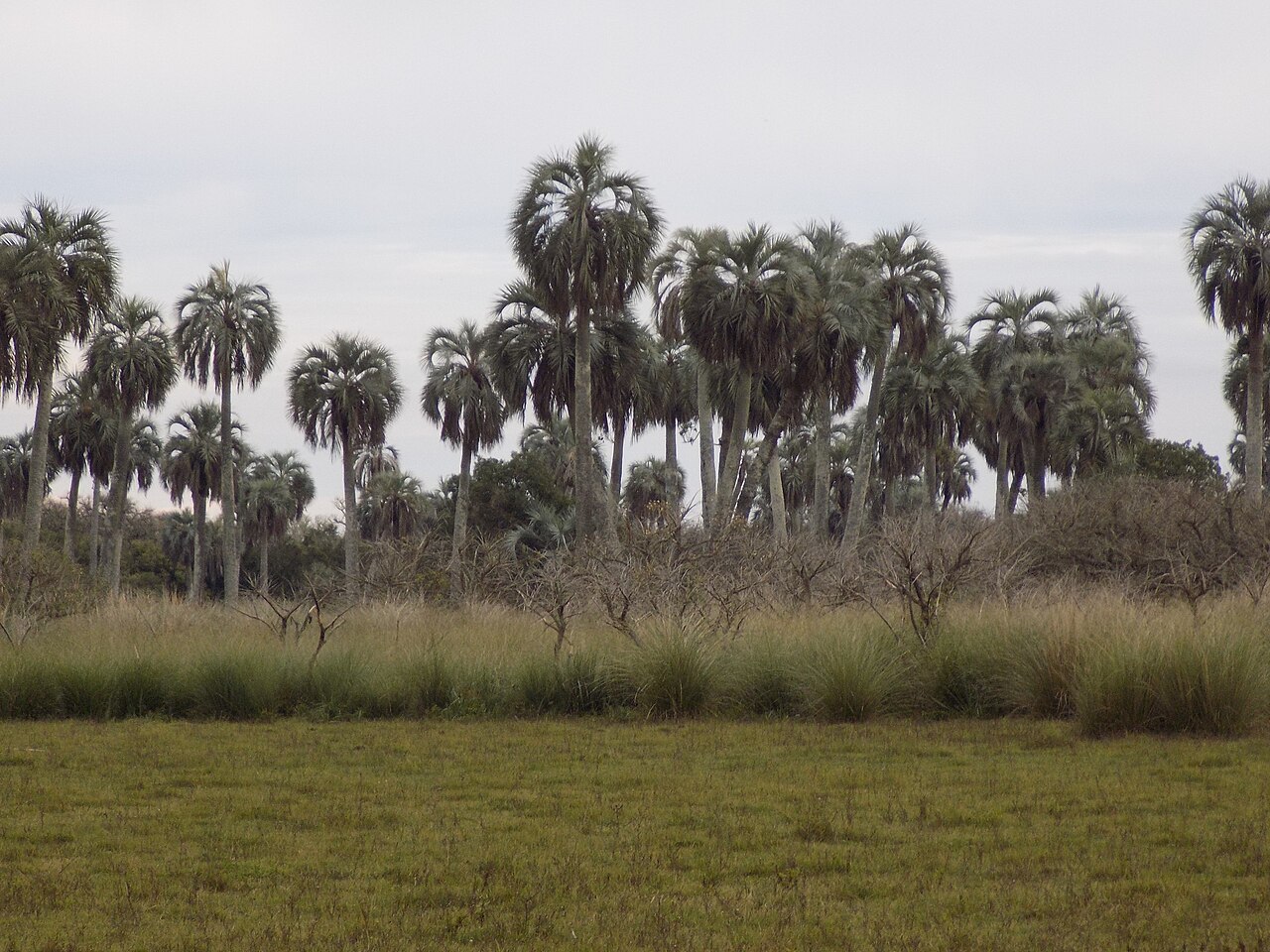
jelly palm
Butia odorata
Climax Medium No biomass productionNative palm of the Pampa and southern grasslands. 4–8 m, leaf-base covered trunk. Orange-yellow fruits with fibrous sweet-tart flesh — basis of jel...
-
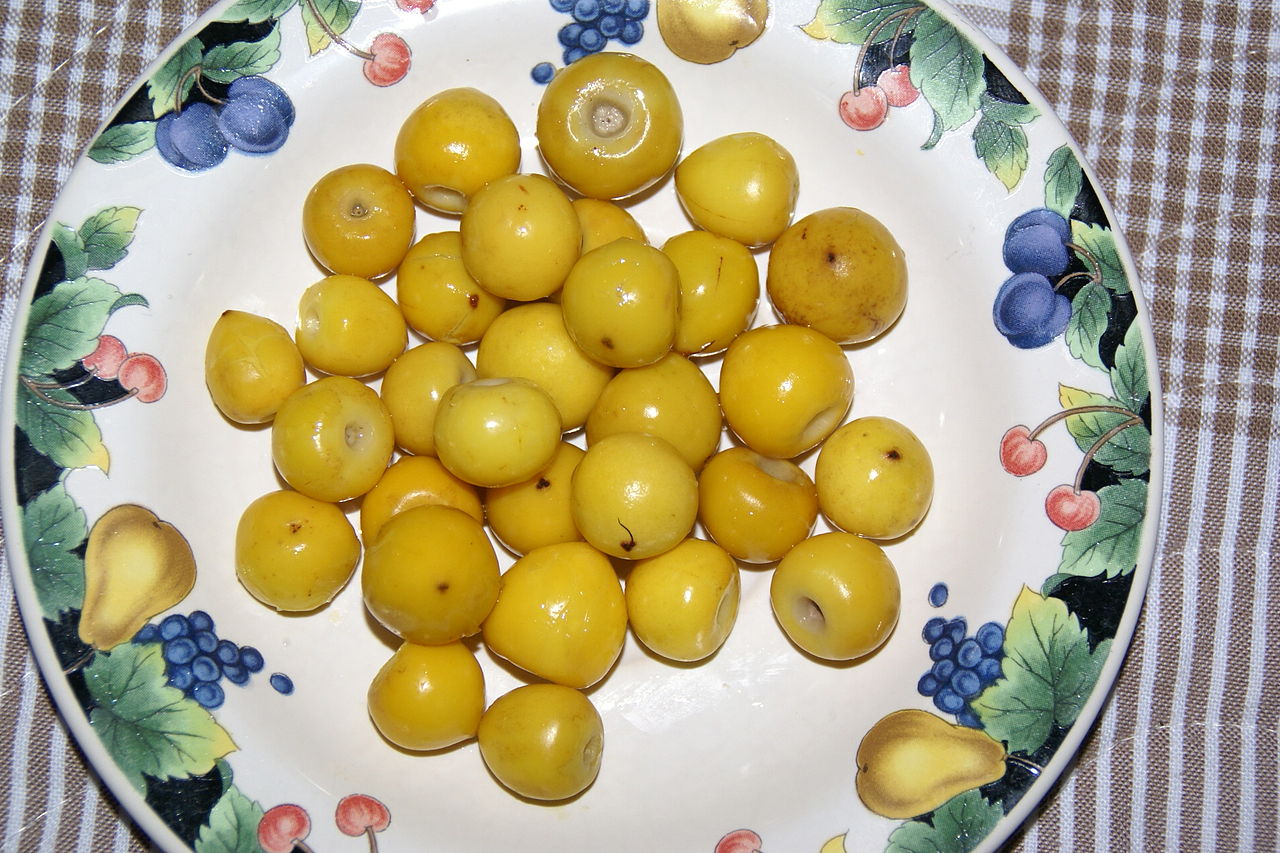
nance
Byrsonima crassifolia
Secondary II High No biomass productionNative Cerrado and Caatinga fruit tree with a wide, low crown. EcoAgri lists it in the high stratum of the 'up to 50 years' extras. Small yellow fr...
-
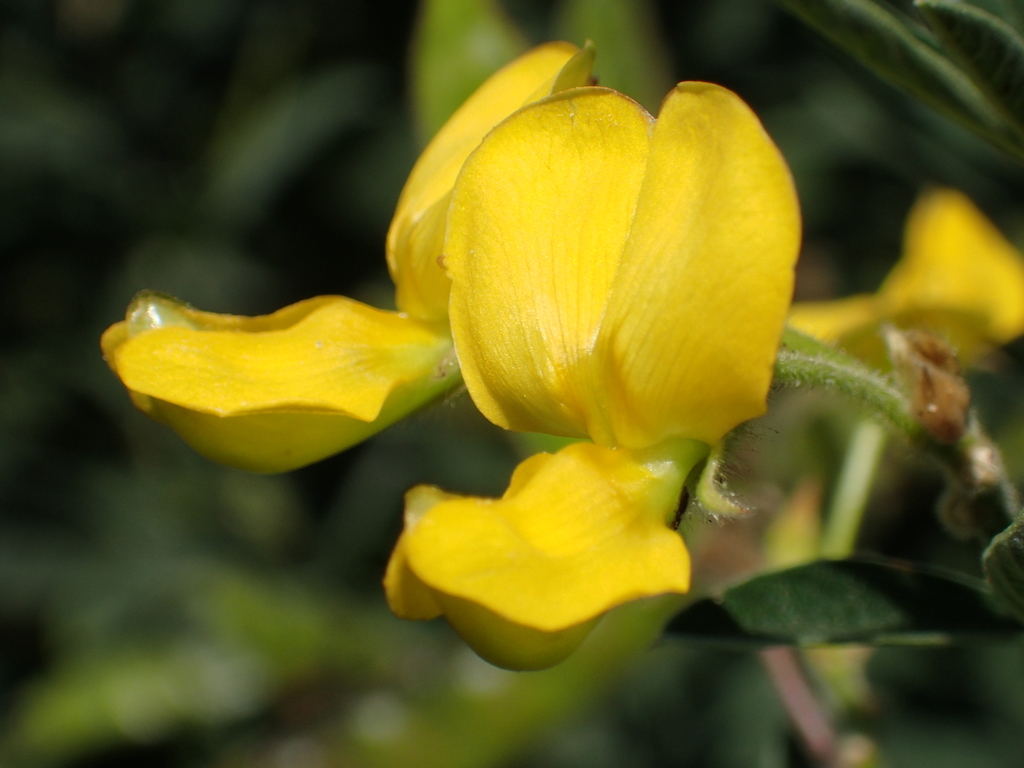
pigeon pea
Cajanus cajan
Placenta I Low Fertilizer biomass 🌱 Nitrogen fixerShort-cycle shrubby legume that fixes nitrogen, widely used in Brazilian agroforestry as green manure, early shade and food. Vigorous on poor soils.
-
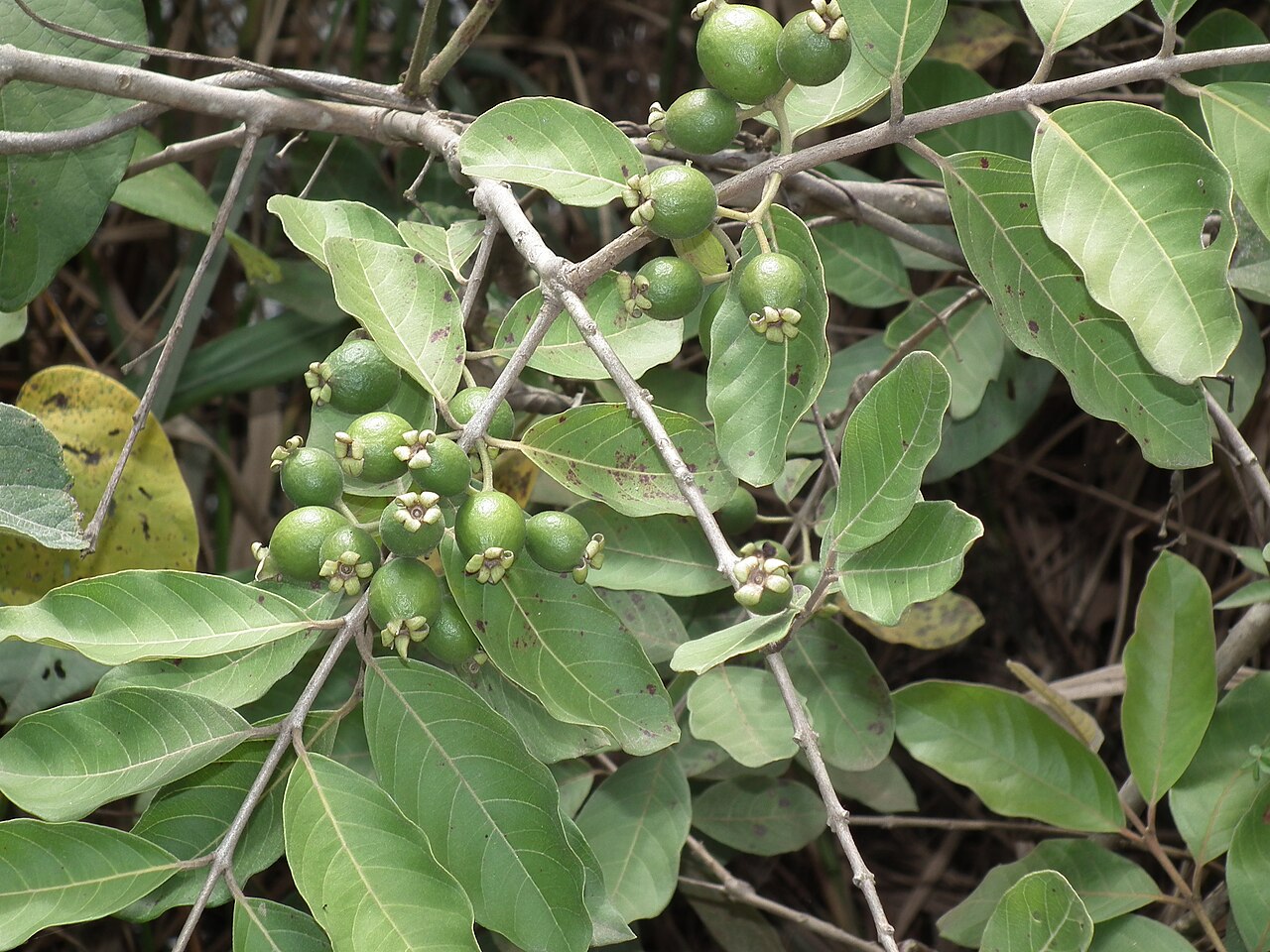
gabiroba
Campomanesia adamantium
Placenta II LowPioneer fruit shrub of the Cerrado that colonizes degraded areas. Deep roots stabilize soil and aid water retention. Edible fruits and medicinal le...
-
cambuci
Campomanesia phaea
Secondary II Medium No biomass productionNative fruit endemic to the São Paulo Atlantic Forest, threatened with extinction. Pasini lists it in the medium stratum of Tabela 3. Aromatic gree...
-
cumari pepper
Capsicum baccatum
Placenta II Low No biomass productionNative Brazilian forest pepper, small (~1 cm) very pungent fruits (30,000–100,000 SHU). Tolerates partial shade — riparian forest understory and ho...
-
dedo-de-moça pepper
Capsicum baccatum
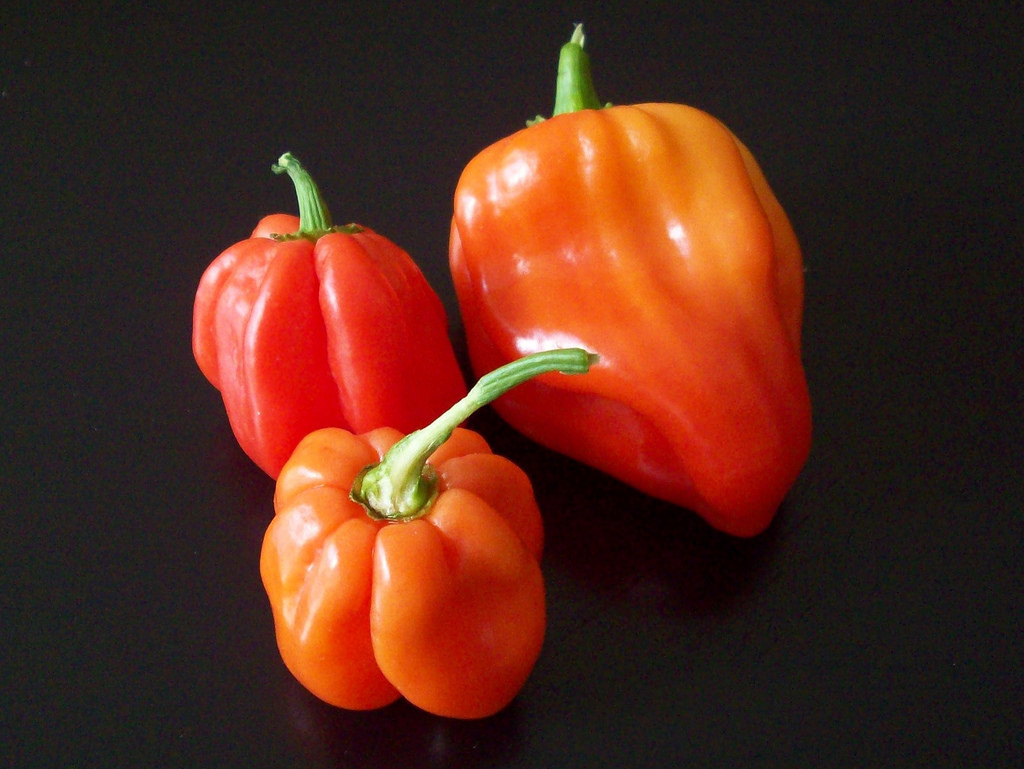
Placenta II Low No biomass productionBrazil's most-consumed fresh chili (5,000–30,000 SHU). Elongated red fruits (~6 cm). 1–1.5 m plant, open canopy. Backbone of the sauce and pickle i...
-
pimenta de cheiro
Capsicum chinense
Placenta II Low No biomass productionBrazilian C. chinense pepper with low pungency (0–500 SHU) and very intense aroma. Round yellow/green/red fruits. Foundation of Pará and Amazon cui...
-
biquinho pepper
Capsicum chinense
Placenta II Low No biomass productionBrazilian C. chinense cultivar with low pungency (0–200 SHU) and intense aroma, teardrop shape. Origin in southern Minas Gerais. 60–90 cm plant, de...
-
malagueta pepper
Capsicum frutescens
Placenta II Low No biomass productionVery pungent Brazilian pepper (60,000–100,000 SHU), small upright red fruits. Perennial in tropical zones (3–5 years). Tolerates light shade. Widel...
-
papaya
Carica papaya
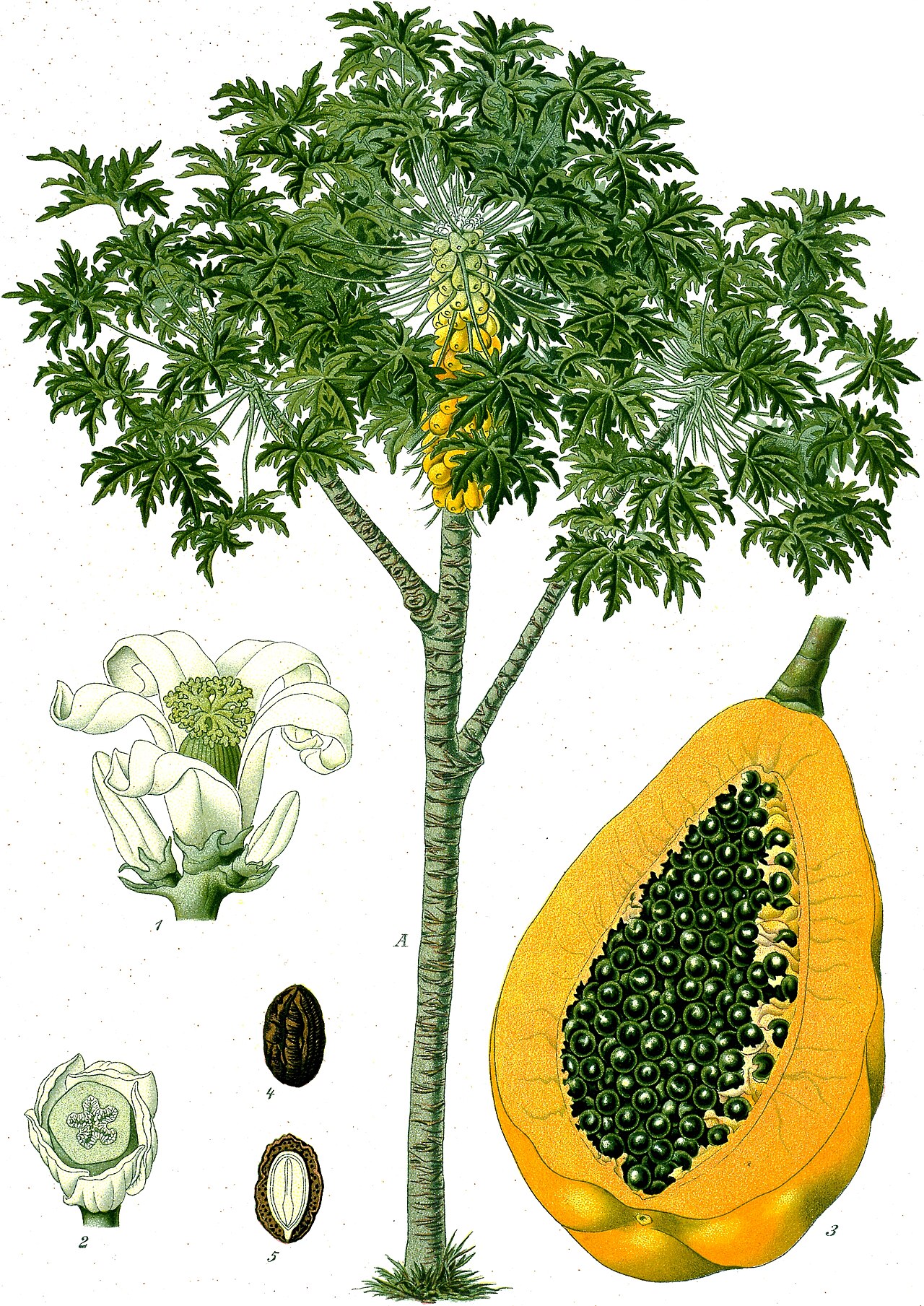
Placenta II High Mulch biomassShort-cycle Placenta II species occupying the high stratum for 2–4 years. Fruits 9–12 months after planting.
-
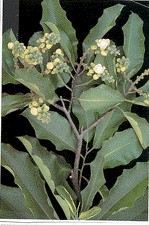
souari nut
Caryocar brasiliense
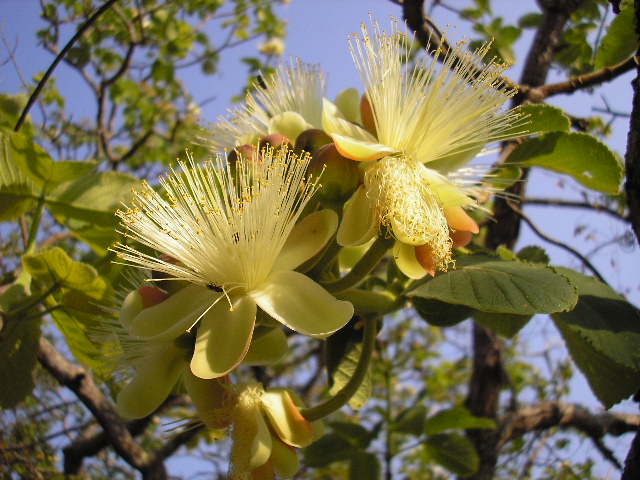
Climax HighIconic fruit tree of the Brazilian Cerrado, up to ~10 m tall with a broad crown. Very slow growth; first fruits not until ~30 years in smaller indi...
❓ Frequently asked questions
What does "Fruit" mean in syntropic agriculture?
Species whose main yield is a fleshy fruit for human or animal consumption. Includes tropical, subtropical, and temperate fruit species.
Which catalog species are tagged Fruit?
The catalog holds 207 species, among them tucumã palm, babassu palm, bilimbi. Each profile shows stratum, succession stage, and the management data, with sources cited.