
Function
Medicinal — species for syntropic systems
Medicinals have a guaranteed place in the low strata and along the edges: most prefer the half-shade of the formed system, and the added value fits in little space.
92 species in the catalog · Refine this list in the catalog
-
diesel tree
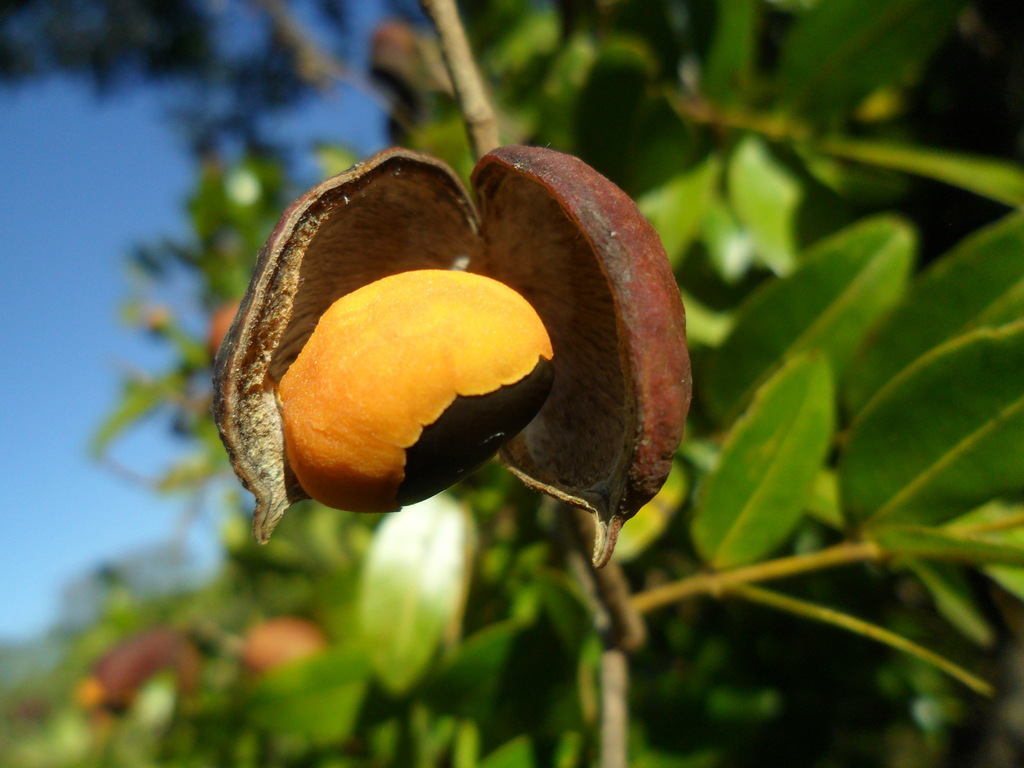
Copaifera langsdorffii
Climax High Mulch biomassClimax Cerrado and Atlantic Forest legume; produces medicinal oil from trunk exudates. Pasini lists it in the high stratum of Tabela 3 and in the '...
-
dragon's blood tree
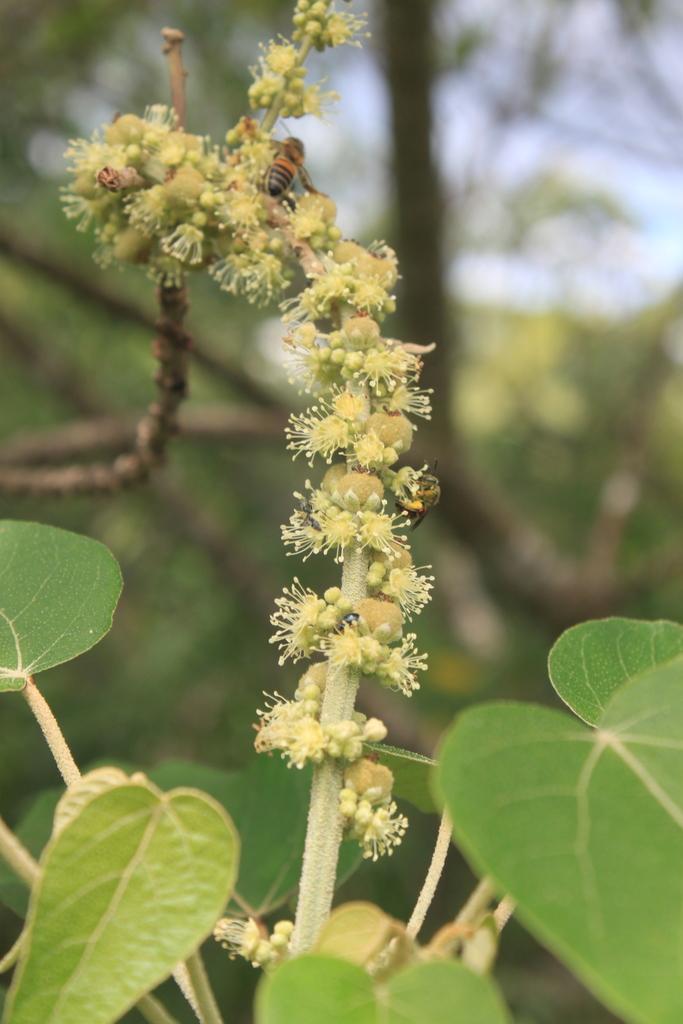
Croton urucurana
Secondary I Medium Mulch biomassHeliophyte pioneer tree typical of riparian forests and humid terrain across the Amazon, Cerrado, and Atlantic Forest. Reaches 7–14 m and produces ...
-
turmeric
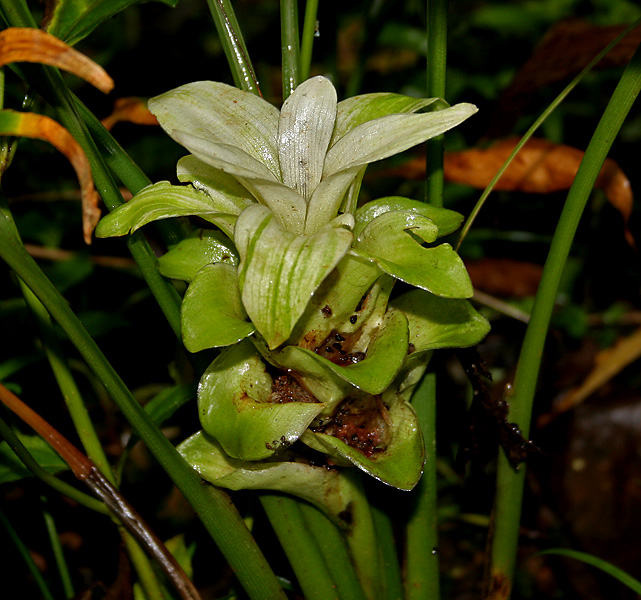
Curcuma longa
Placenta I Low No biomass productionAromatic tropical orange-yellow rhizome. Pasini lists it in the low stratum of Tabela 3 and in the '3 to 10 years' phase of Tabela 4 (low stratum)....
-
lemongrass
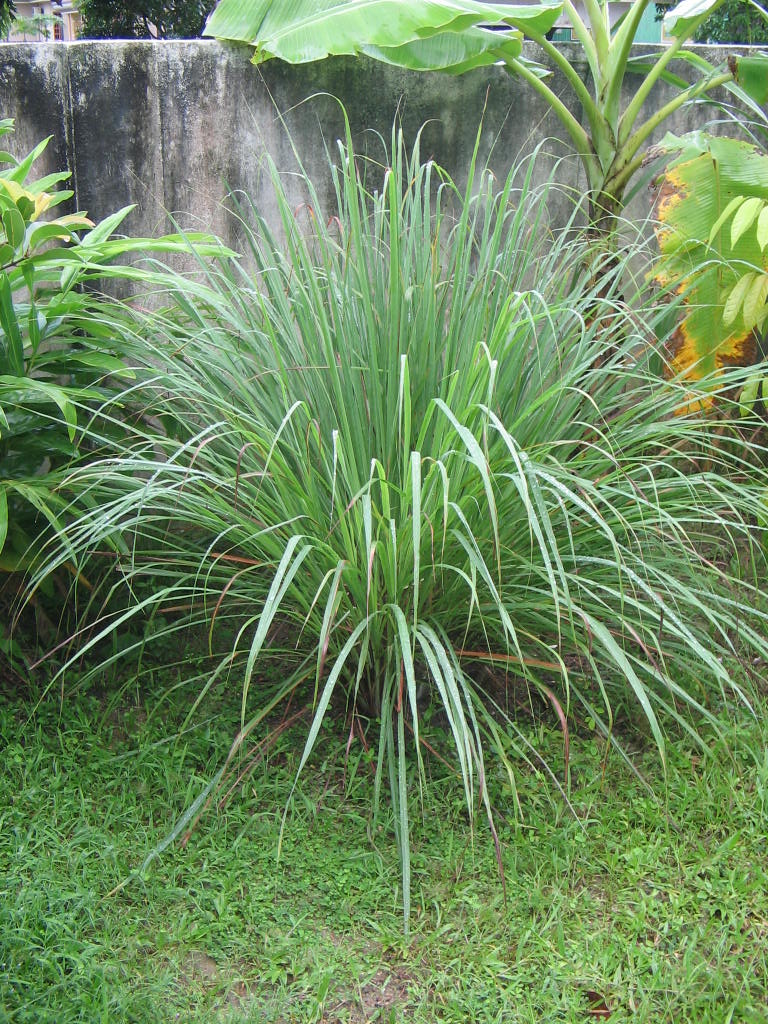
Cymbopogon citratus
Placenta I Low Mulch biomassPerennial aromatic grass (1–1.5 m) forming dense clumps. Lemon-scented leaves (citral). Permanent cover between tree rows in syntropic systems, mos...
-
earpod tree
Enterolobium contortisiliquum
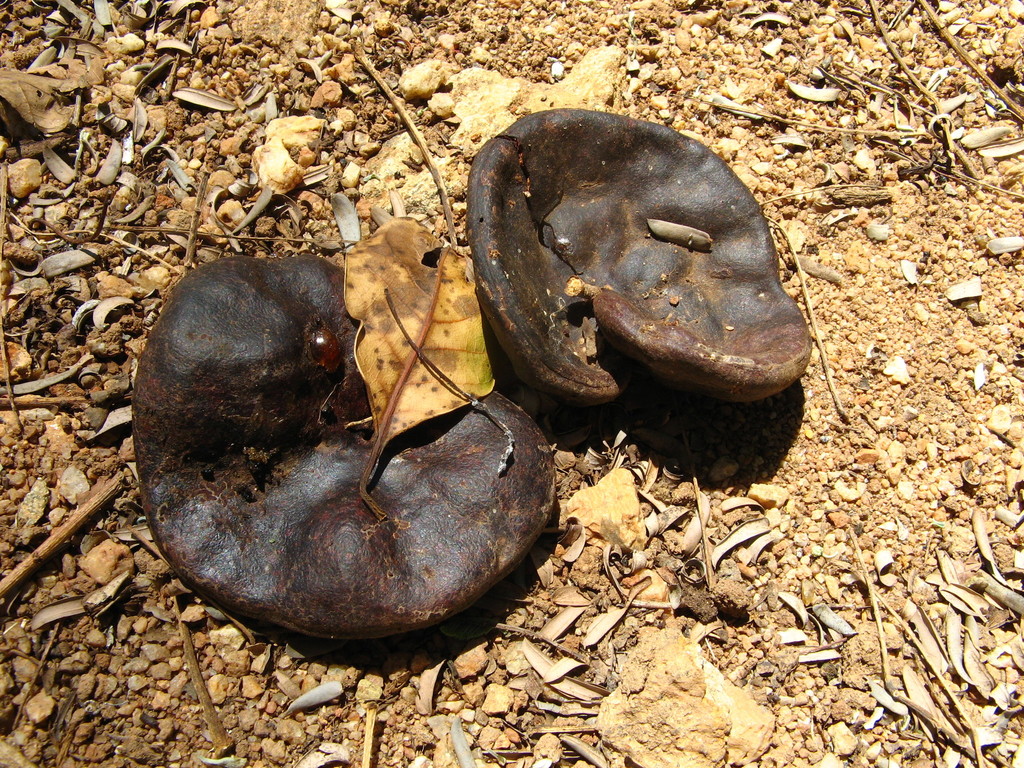
Climax Emergent Fertilizer biomass 🌱 Nitrogen fixerLarge nitrogen-fixing leguminous tree native to the Atlantic Forest and Cerrado. EcoAgri lists it in the emergent stratum of the '> 50 years' bin. ...
-
cockspur coral tree
Erythrina crista-galli
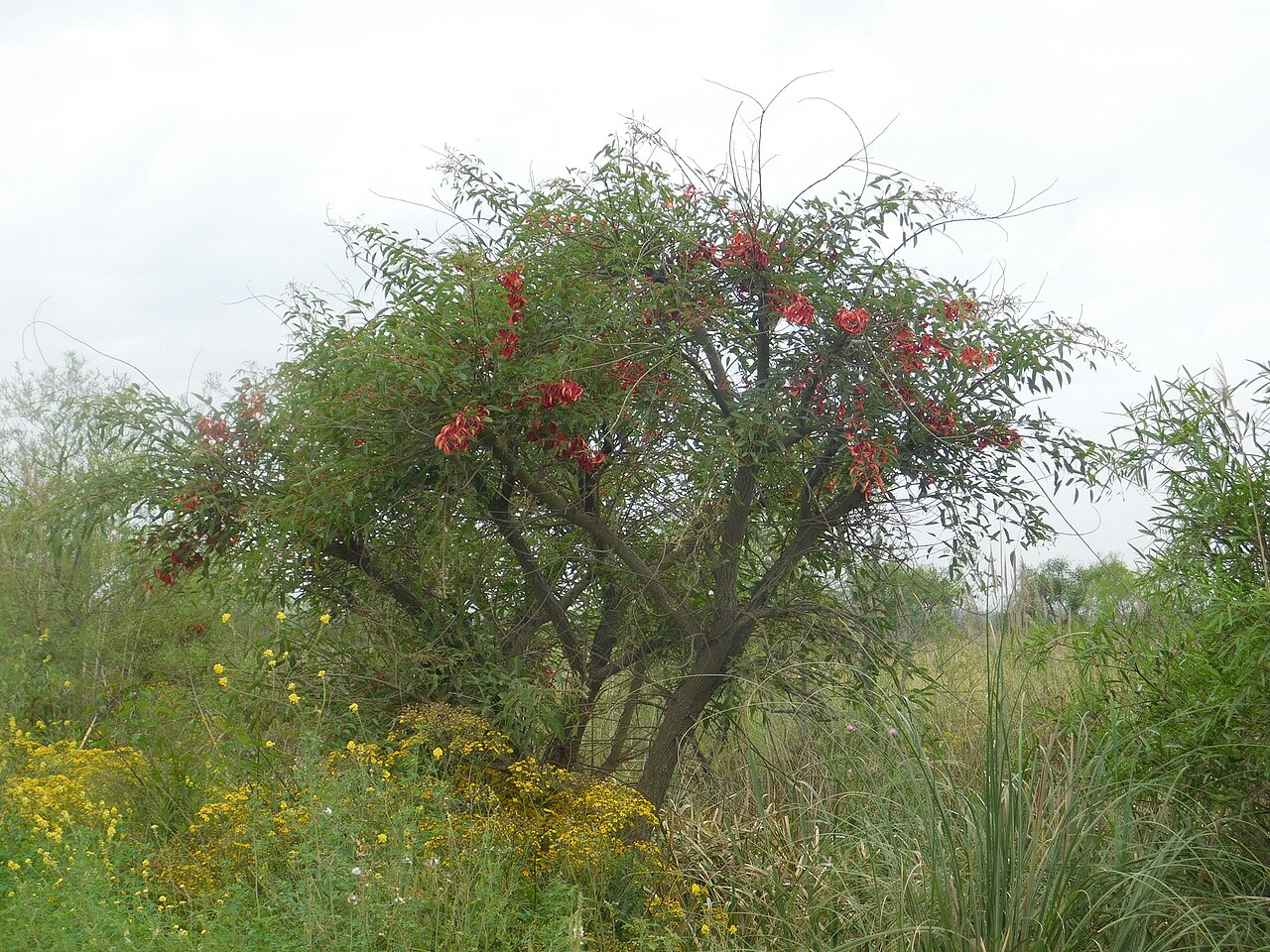
Secondary I Medium Fertilizer biomass 🌱 Nitrogen fixerA deciduous, sun-loving leguminous small tree or tree up to 10-15 m, native to southern Brazil and the rest of southern South America. It inhabits ...
-
mulungu
Erythrina velutina
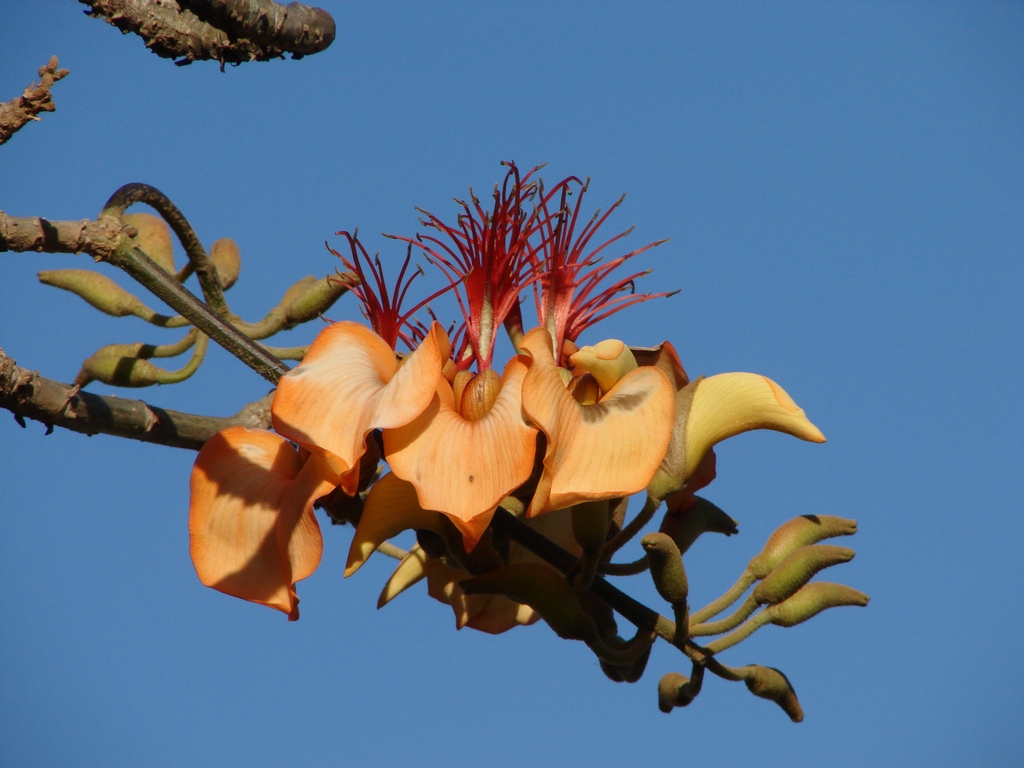
Secondary I High Fertilizer biomass 🌱 Nitrogen fixerBrazilian-native nitrogen-fixing tree legume; propagates easily by cuttings and produces abundant fertilizer biomass. Cited by Pasini among tree-fo...
-
cagaita
Eugenia dysenterica
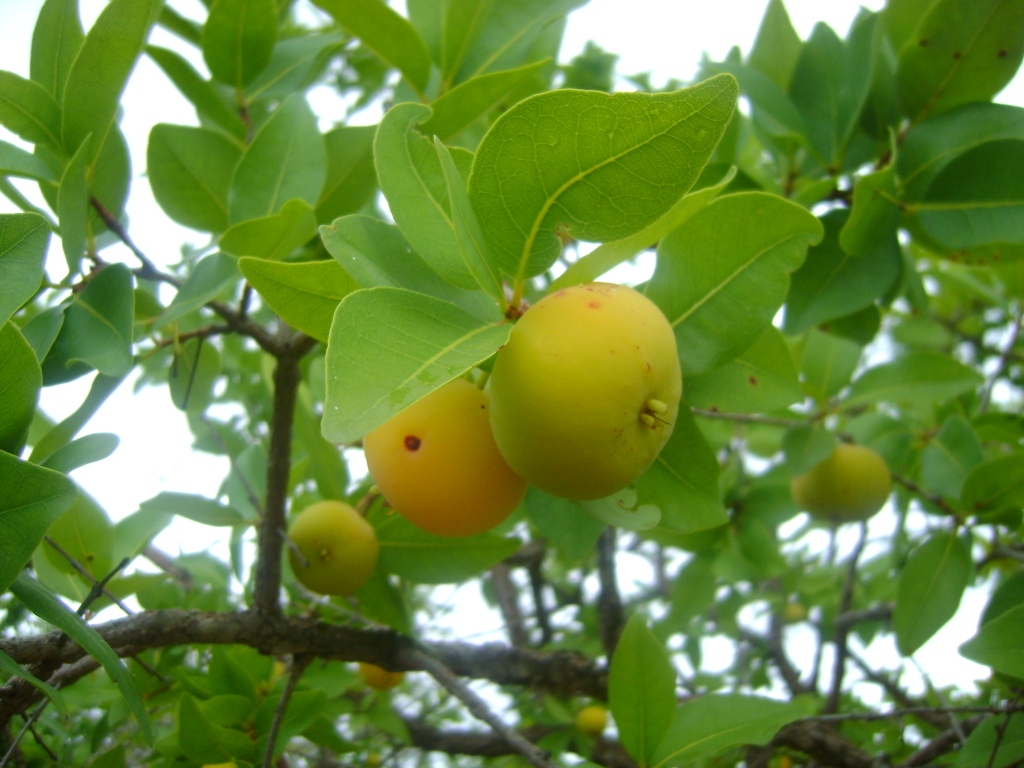
Secondary II Medium No biomass productionNative Cerrado fruit tree (4–10 m), rounded canopy. Flowers in August–September at peak drought before the rains — white blooms covering bare branc...
-
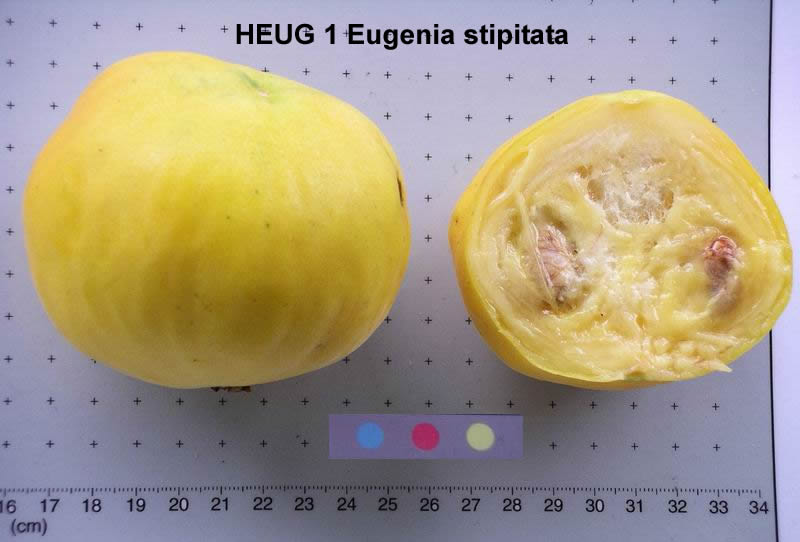
araza
Eugenia stipitata
Secondary II Medium No biomass productionAmazonian native fruit with very acidic, aromatic orange-yellow pulp (high vitamin C), excellent for juices, ice creams, and jams. EcoAgri lists it...
-
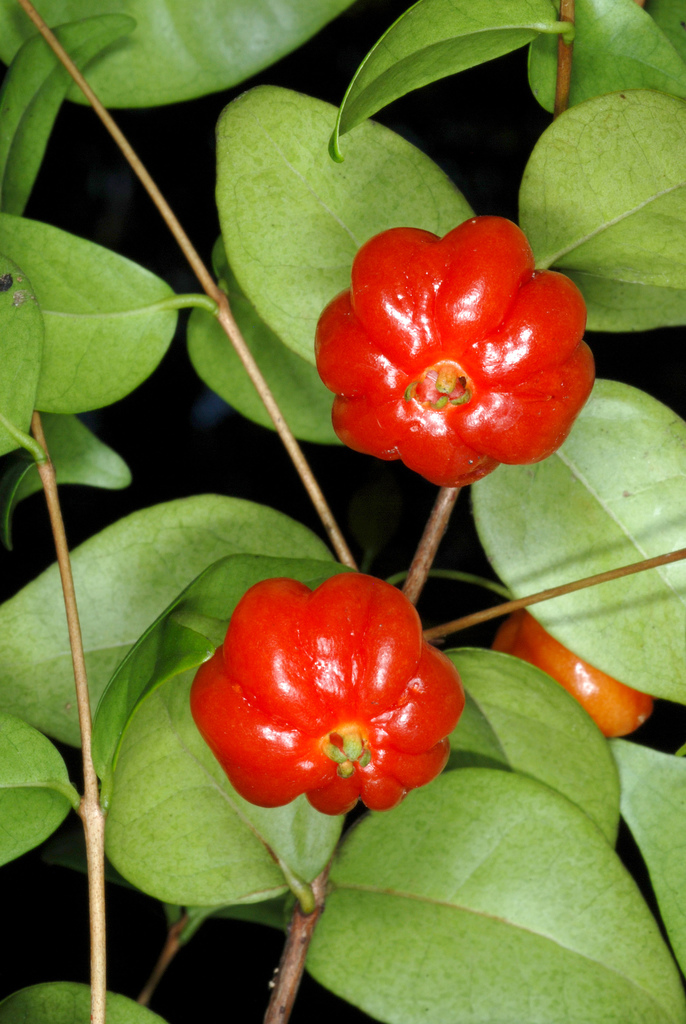
Surinam cherry
Eugenia uniflora
Secondary I Medium No biomass productionSmall native fruit tree of the Atlantic Forest. Pasini lists it in the medium stratum of Tabela 4 (3–10 year phase). Cherry-red bittersweet fruit, ...
-
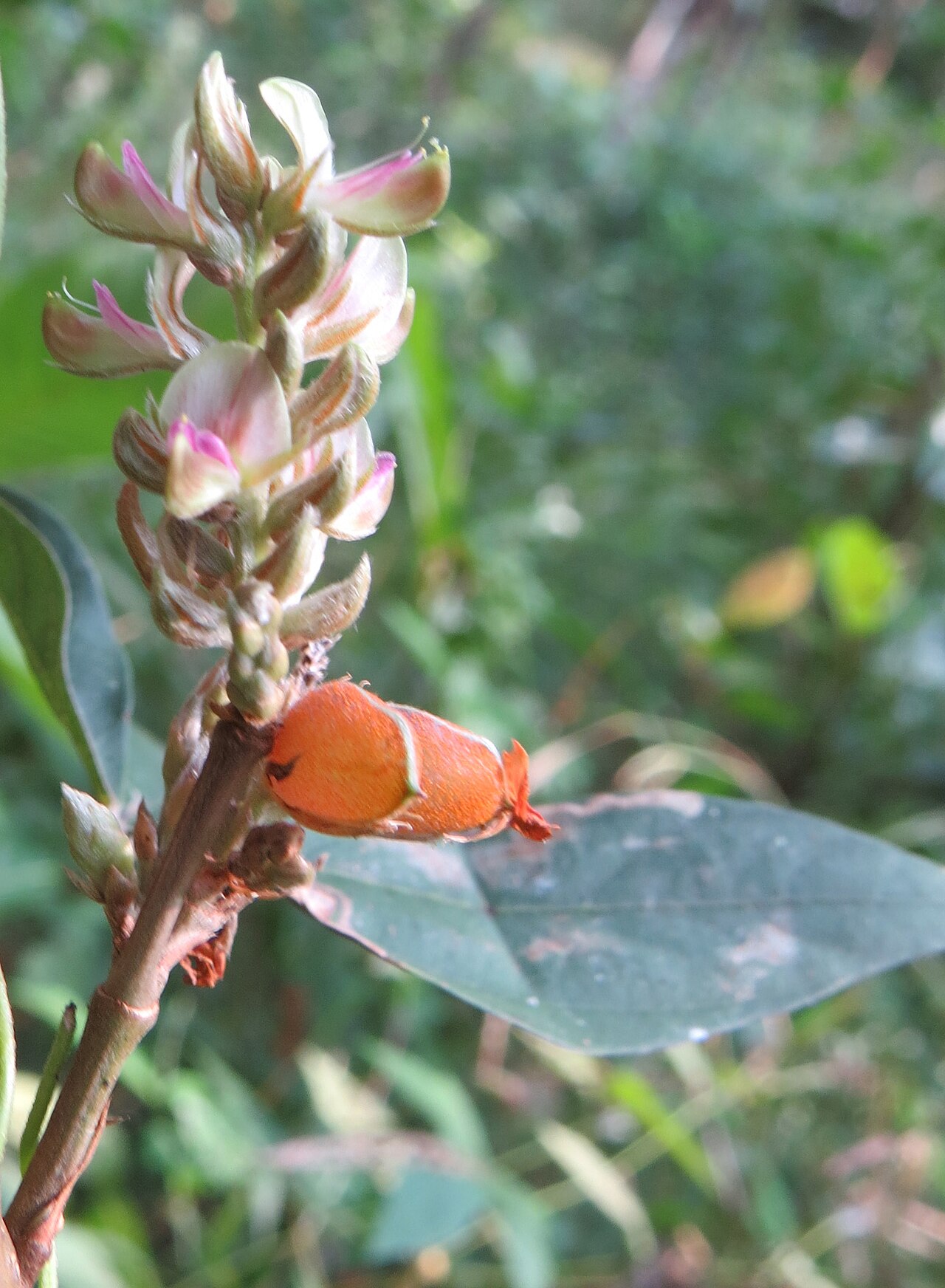
flemingia
Flemingia macrophylla
Placenta II Low Mulch biomass 🌱 Nitrogen fixerA perennial, woody, deep-rooted leguminous shrub up to 2.5 m tall, native to the humid tropics of Asia. It fixes nitrogen and is widely used in con...
-
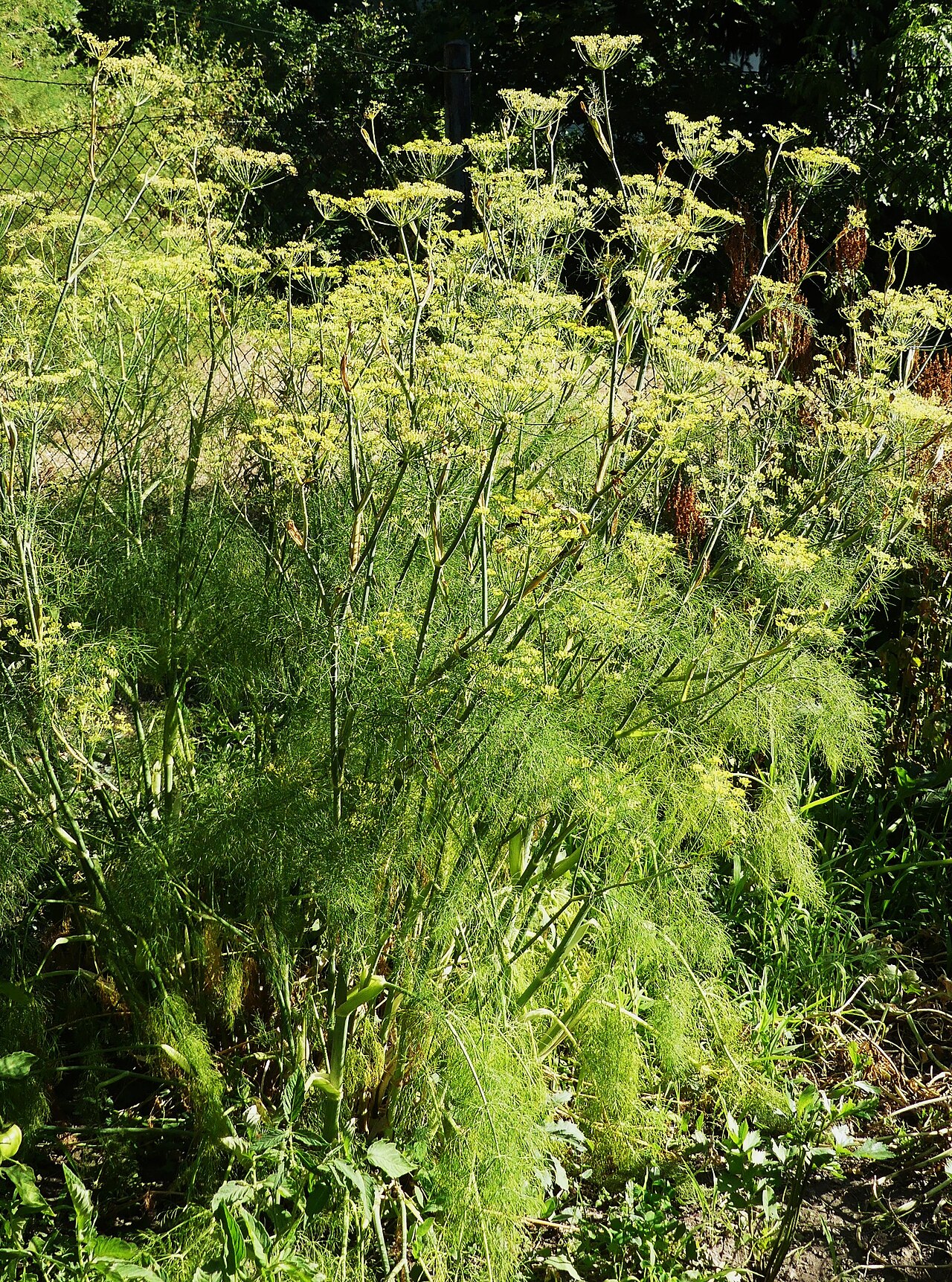
fennel
Foeniculum vulgare
Placenta I Low No biomass productionPerennial Mediterranean herb (1–2 m), feathery anise-scented leaves. Seeds used as seasoning and medicinal. Bulb of the sweet variety is a vegetabl...
-
garlic tree
Gallesia integrifolia
Climax Emergent Mulch biomassEmergent tree of the Atlantic Forest and Cerrado with a strong garlic smell when wounded. EcoAgri lists it in the emergent stratum of the '> 50 yea...
-
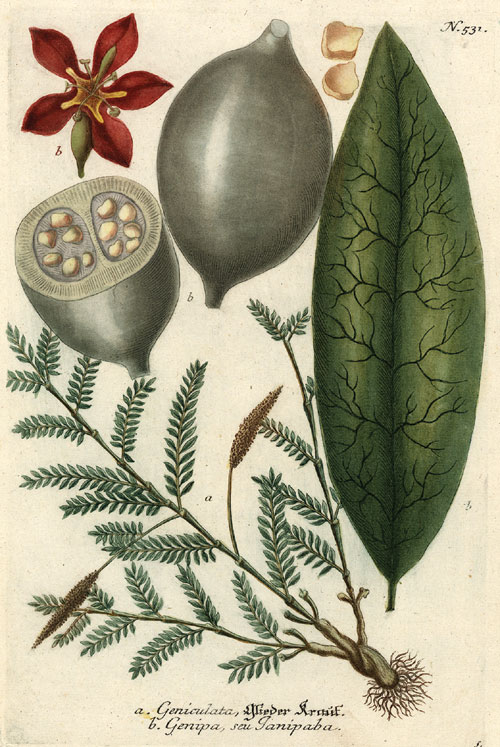
genipa
Genipa americana
Climax High No biomass productionPan-Brazilian native fruit (Cerrado, MA, Amazonia, Pantanal). EcoAgri lists it in the high stratum of the '> 50 years' bin. Edible fruit and source...
-
West Indian elm
Guazuma ulmifolia
Secondary I High Mulch biomassFast-growing pioneer tree native to the Cerrado, Pantanal, and Atlantic Forest. Pasini lists it in the high stratum of Tabela 3 and in the 10–20 ye...
-
mangaba
Hancornia speciosa
Secondary II MediumEvergreen to semi-deciduous tree 2–10 m tall, characteristic of Brazilian Cerrado and coastal tablelands. Considered one of Brazil's priority 'Plan...
-
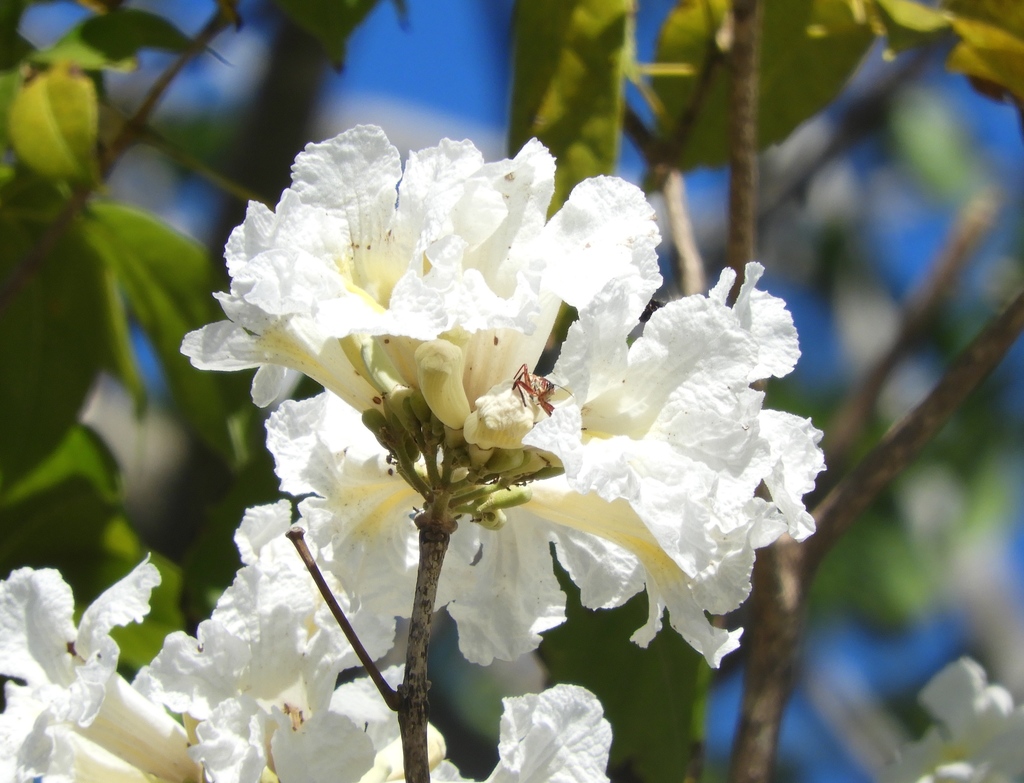
pink lapacho
Handroanthus impetiginosus
Climax Emergent Mulch biomassEmergent tree native to Cerrado, Atlantic Forest, Caatinga, Amazon, and Pantanal. Reaches 20–35 m in the wild, 8–12 m in cultivation. Vivid magenta...
-
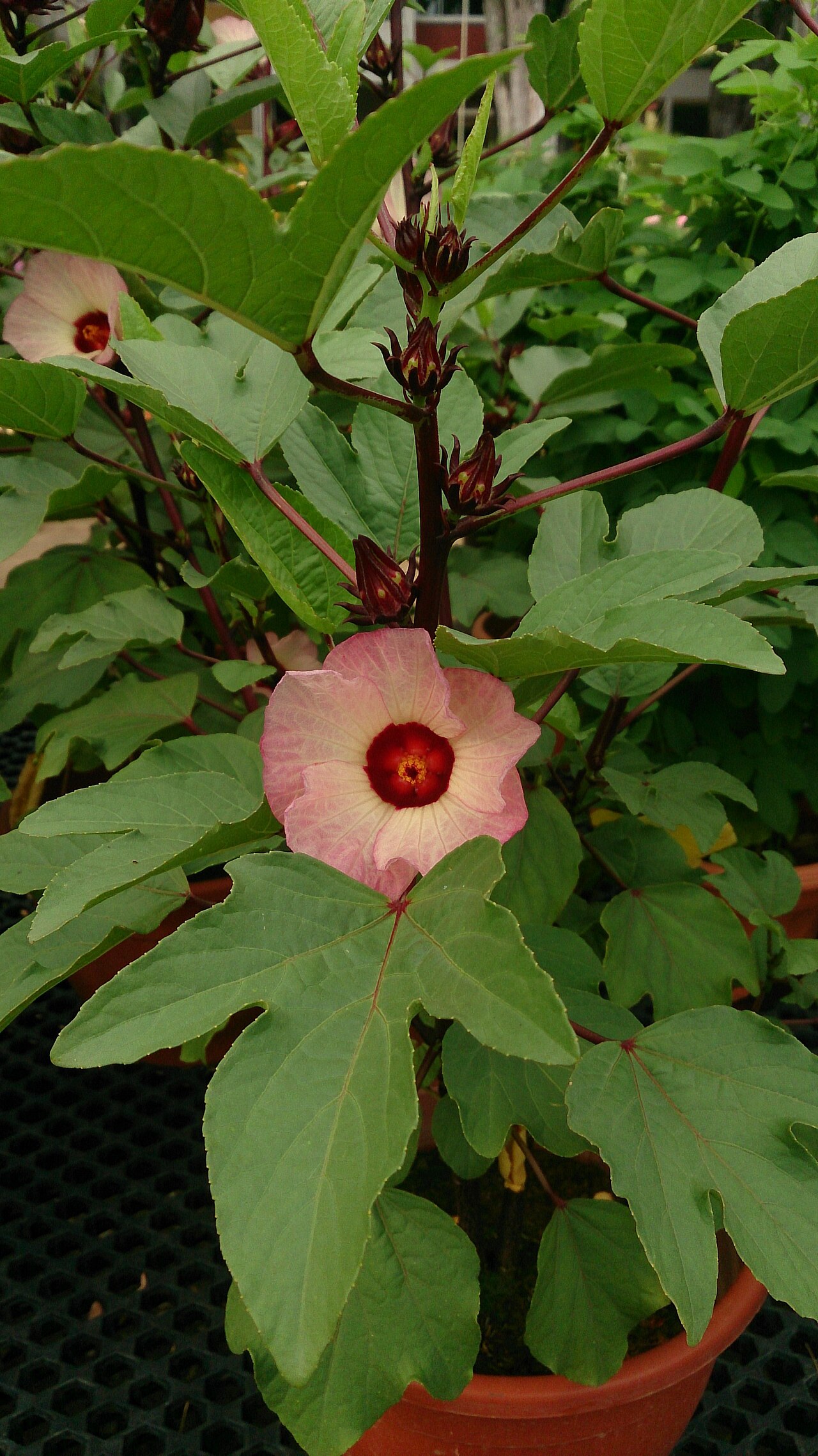
roselle
Hibiscus sabdariffa
Placenta II Medium Mulch biomassAn annual or short-lived subshrub in the Malvaceae, native to Africa and cultivated throughout the tropics. The fleshy red calyces are used to make...
-
jatoba
Hymenaea courbaril
Climax Emergent Mulch biomassTropical climax with extremely dense timber; fruit pulp is edible. Common in syntropic abundance systems.
-
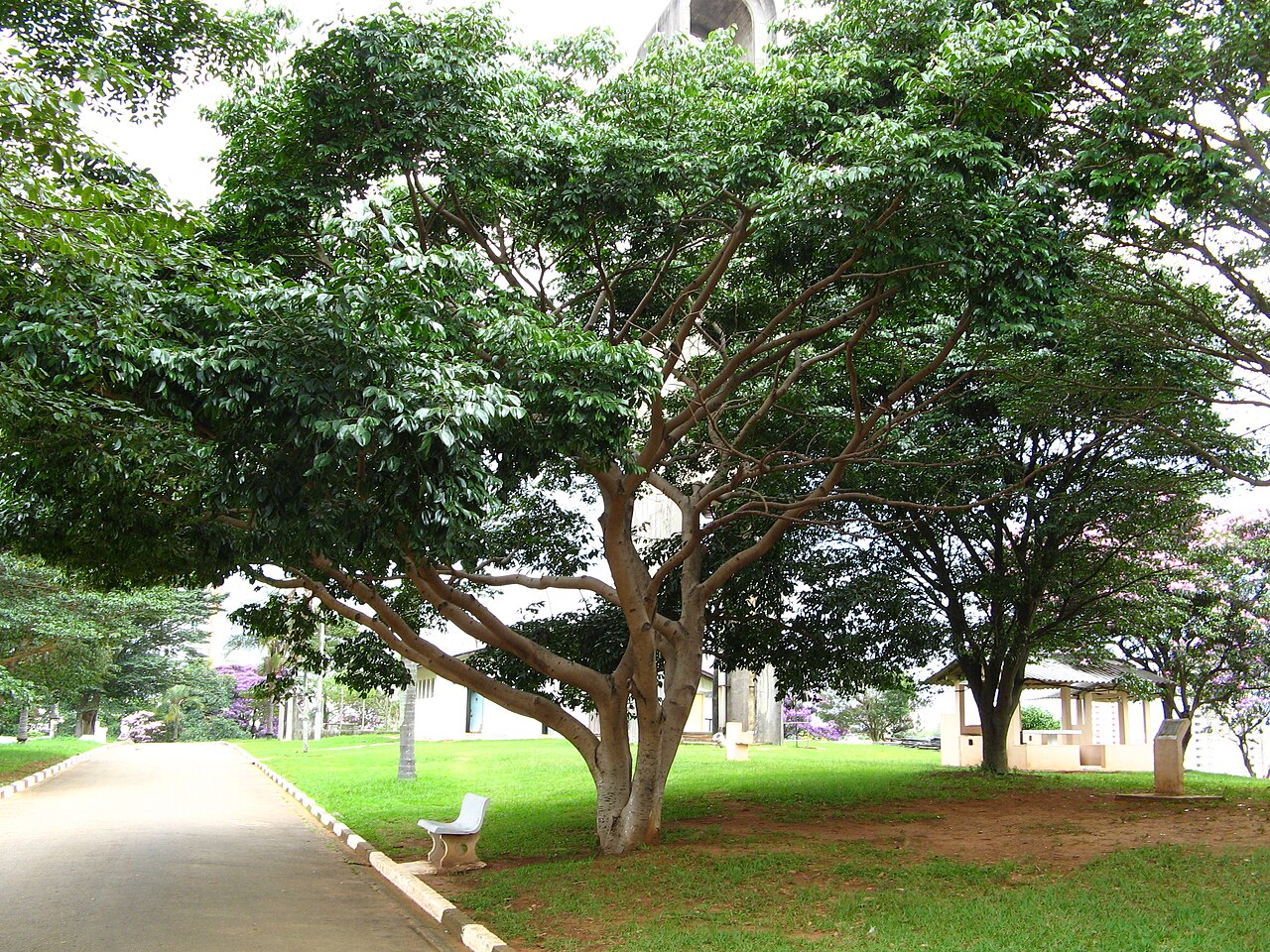
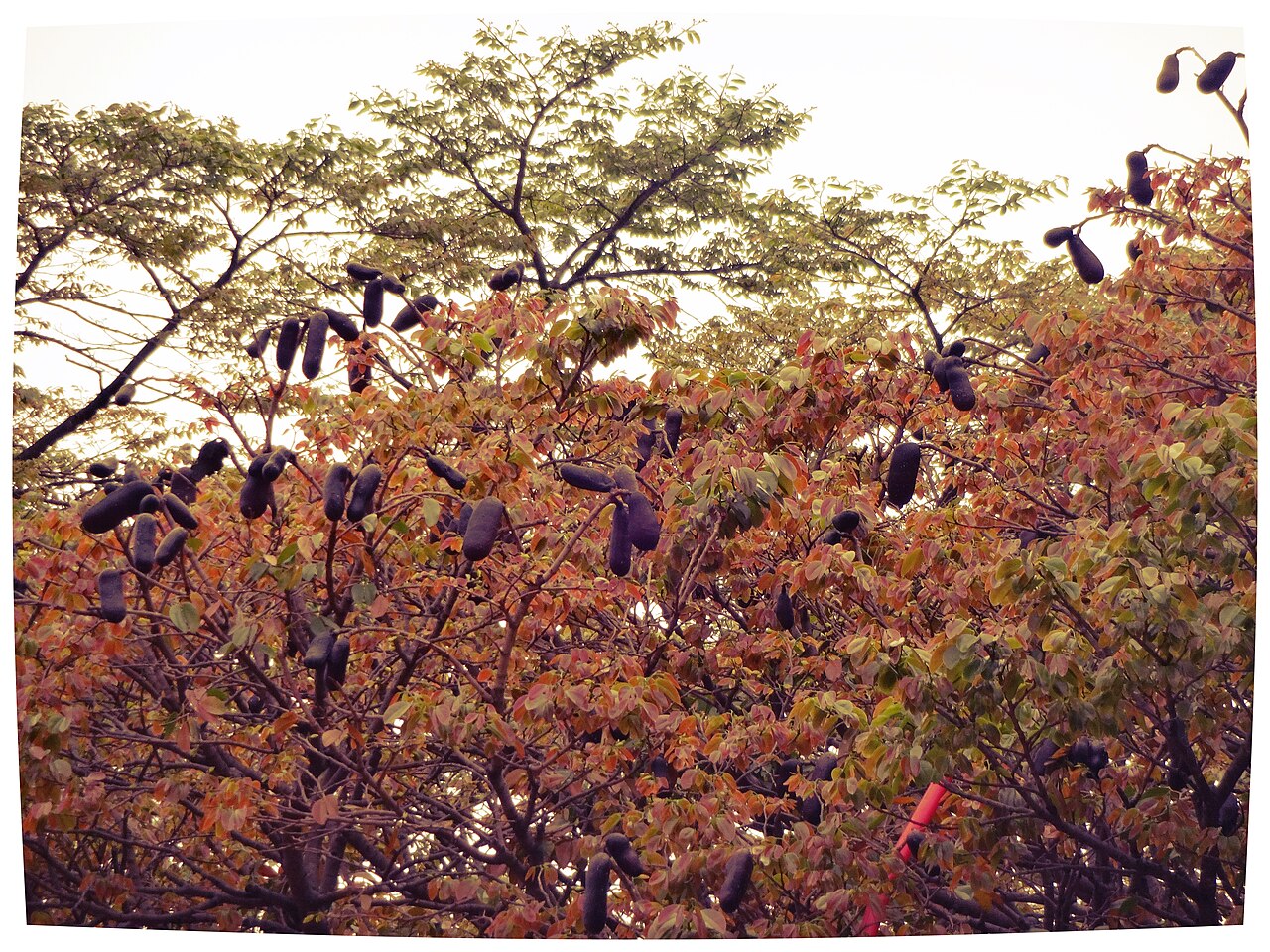
Cerrado jatobá
Hymenaea stigonocarpa
Climax HighDeciduous leguminous tree 5–20 m tall, typical of open cerrado and campo-cerrado on well-drained soils. Unlike most Fabaceae, it does not form N-fi...
-
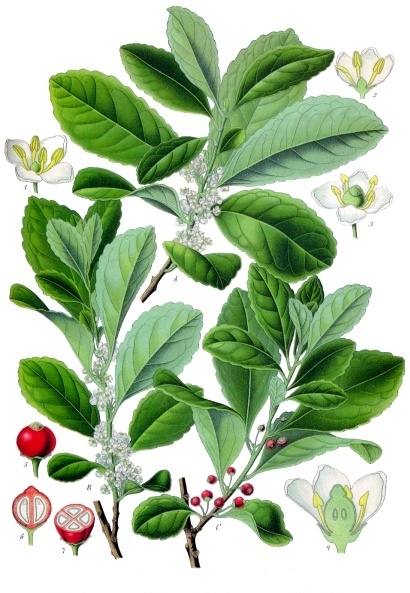
yerba mate
Ilex paraguariensis
Secondary II Medium No biomass productionTree native to highland Atlantic Forest and southern Brazilian grasslands, listed by IPOEMA among major Brazilian perennial crops in agroforestry c...
-
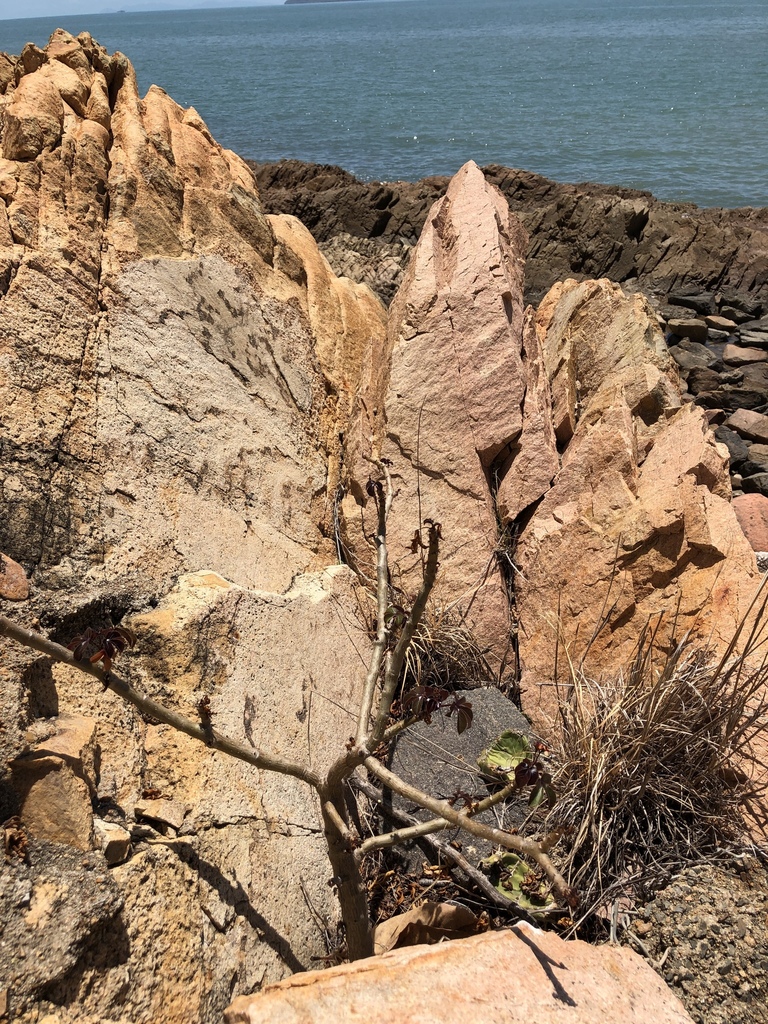
bellyache bush
Jatropha gossypiifolia
Placenta II Low Mulch biomassXerophytic shrub native to the Caatinga, cited by Rebello among plants that thrive in low-rainfall environments, alongside forage cactus and sisal....
-
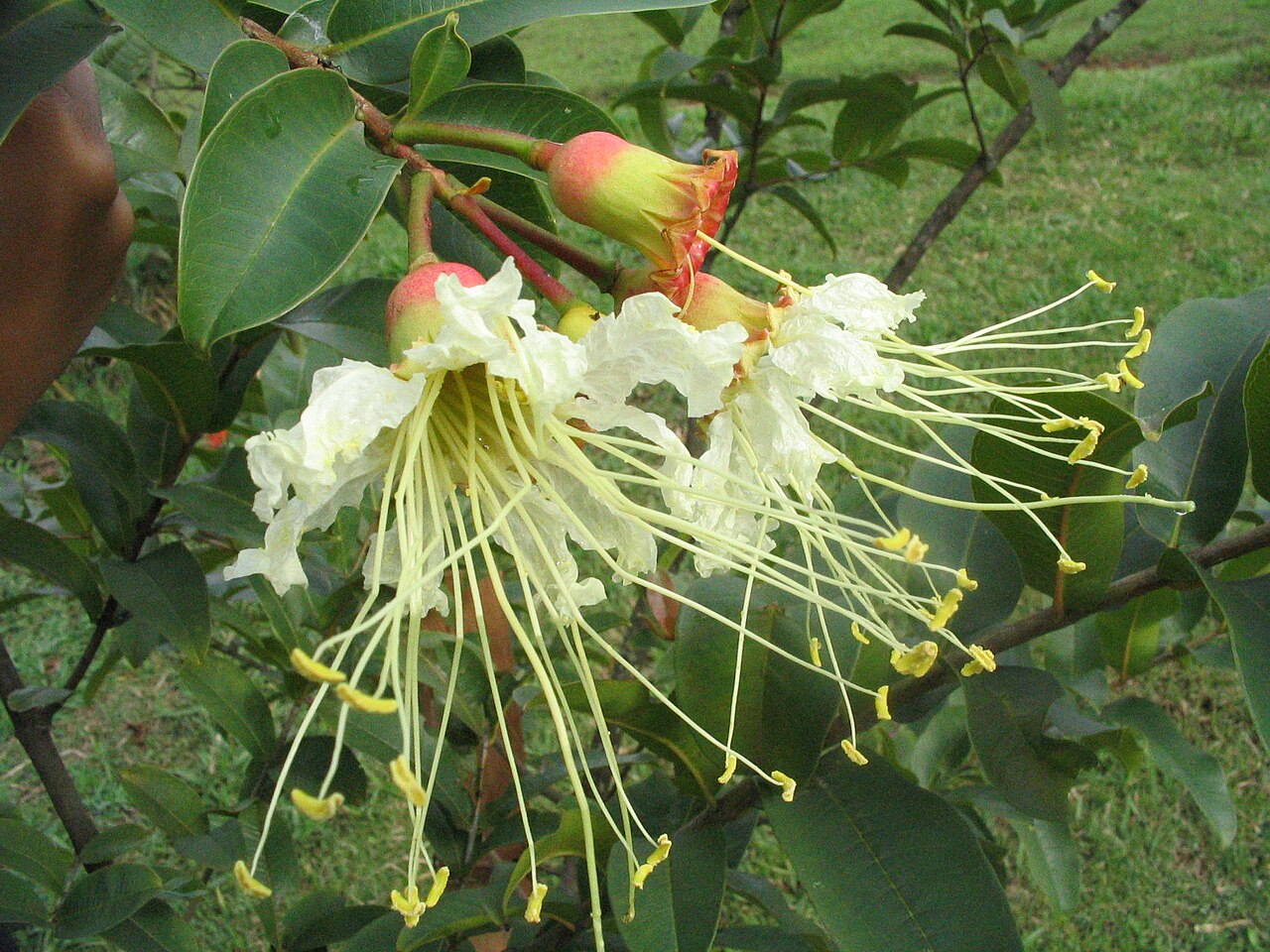
pacari
Lafoensia pacari
Climax Medium No biomass productionCerrado and Pantanal native tree, listed by EcoAgri in the medium stratum of the '> 50 years' bin. Bark traditionally used as a wound-healing and a...
-
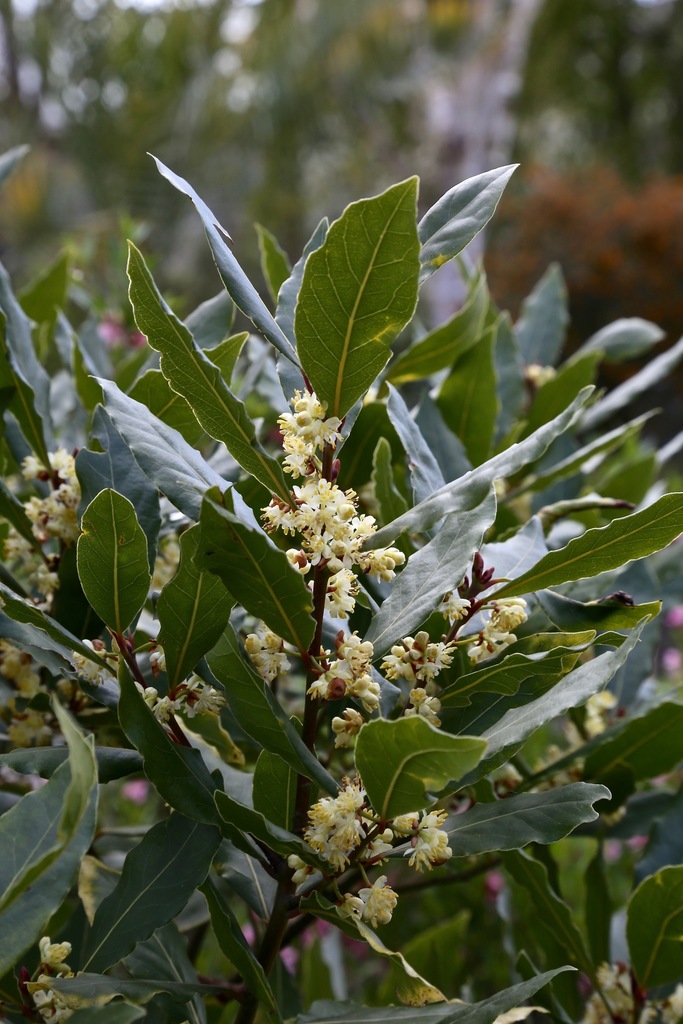
bay laurel
Laurus nobilis
Secondary II Medium No biomass productionMediterranean medium tree (4–10 m), evergreen leathery leaves — basis of tea, seasoning, and ornamental use. Occupies low/medium stratum in souther...
❓ Frequently asked questions
What does "Medicinal" mean in syntropic agriculture?
Species with documented therapeutic use in traditional medicine or pharmacology. Not a substitute for medical advice — the catalog records the use, it does not recommend dosage.
Which catalog species are tagged Medicinal?
The catalog holds 92 species, among them diesel tree, dragon's blood tree, turmeric. Each profile shows stratum, succession stage, and the management data, with sources cited.