
Function
Melliferous — species for syntropic systems
Melliferous species sustain bees — native and honeybees alike — and return the investment in pollination and honey. Staggered blooms feed the apiary all year.
104 species in the catalog · Refine this list in the catalog
-
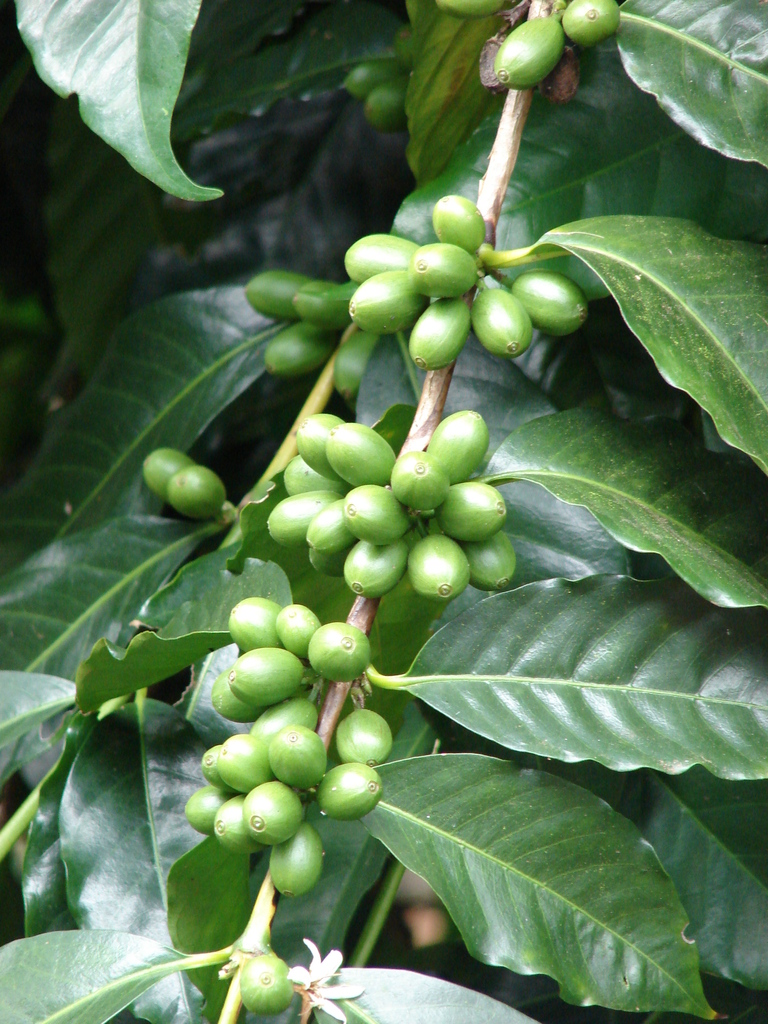
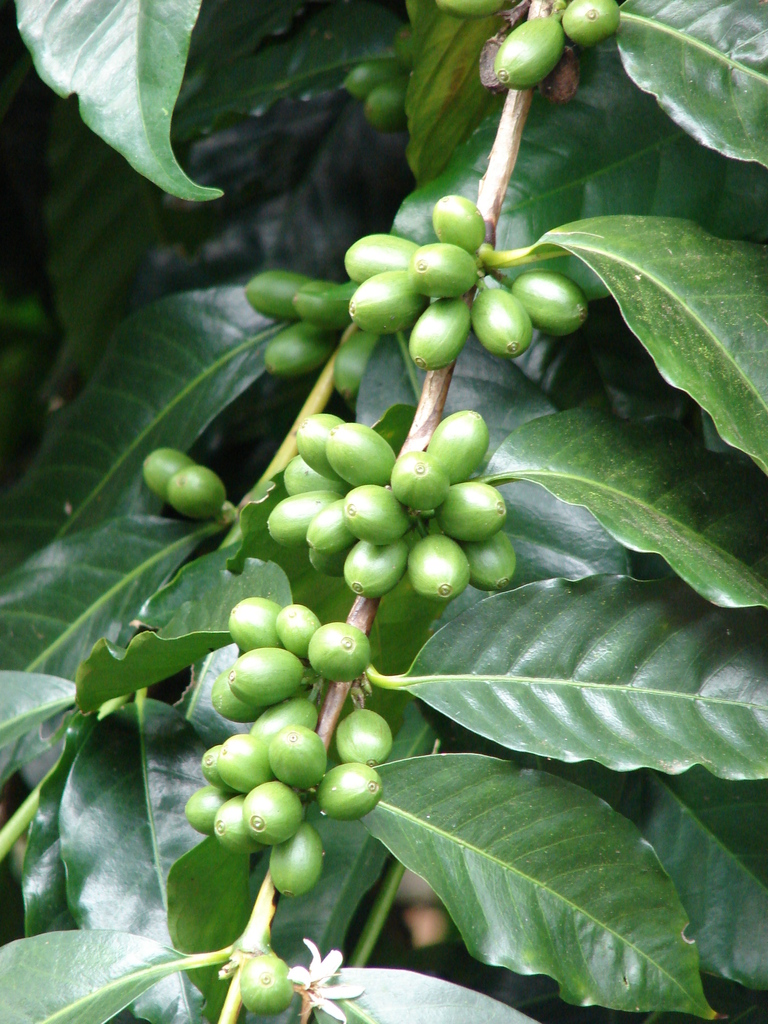
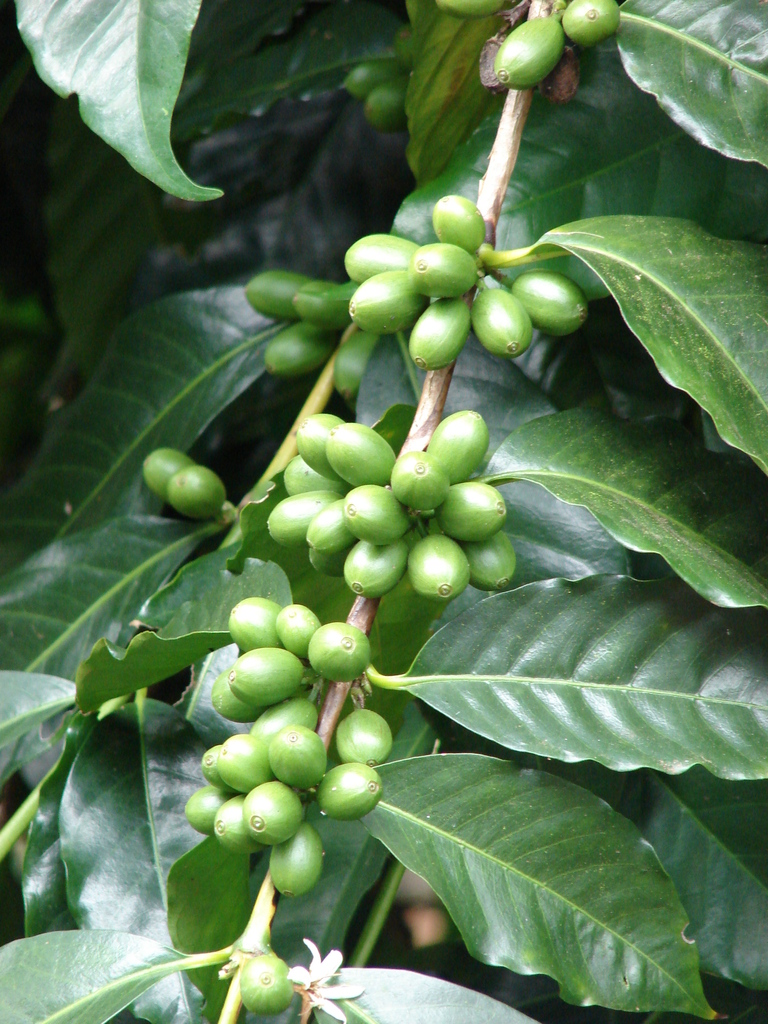
coffee
Coffea arabica
Secondary I Low No biomass productionShade-grown crop valuable in syntropic Atlantic Forest systems. Occupies the low stratum between bananas and ingás.
-
bourbon coffee
Coffea arabica
Secondary I Medium No biomass productionHeirloom arabica cultivar — originated on Bourbon Island (modern Réunion) in the 18th century. Tall (3–4 m), open canopy. Susceptible to coffee lea...
-
geisha coffee
Coffea arabica
Secondary I Medium No biomass productionHeirloom arabica from the Gesha valley in Ethiopia, rediscovered in Panama in the 2000s. Tall, open canopy, low yield but exceptional floral cup pr...
-
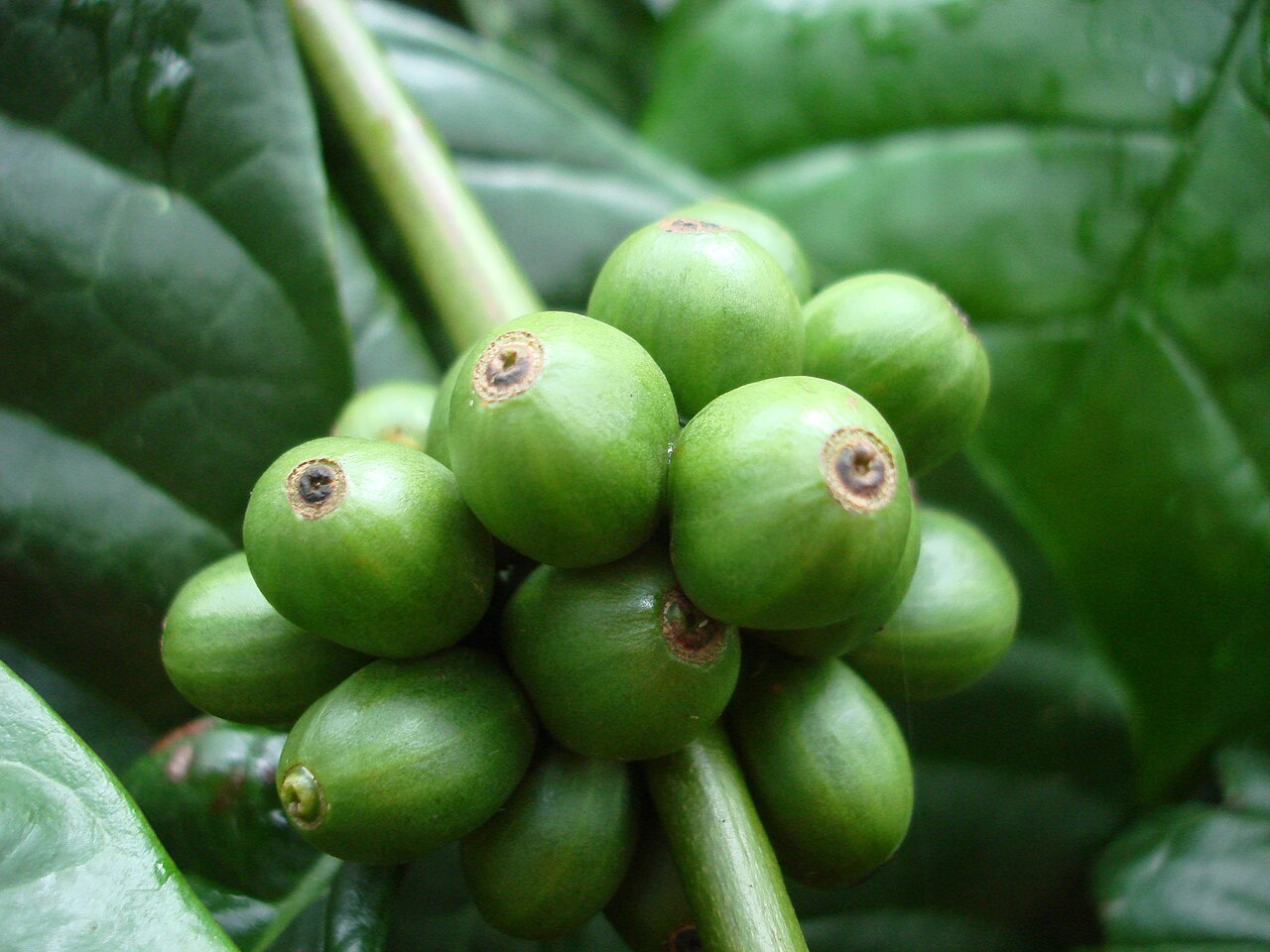
robusta coffee
Coffea canephora
Secondary I Medium No biomass productionDistinct coffee species from arabica — more vigorous, adapted to lowland (0–800 m) and hot climate (22–26°C). Brazil's dominant species in Espírito...
-
diesel tree
Copaifera langsdorffii
Climax High Mulch biomassClimax Cerrado and Atlantic Forest legume; produces medicinal oil from trunk exudates. Pasini lists it in the high stratum of Tabela 3 and in the '...
-
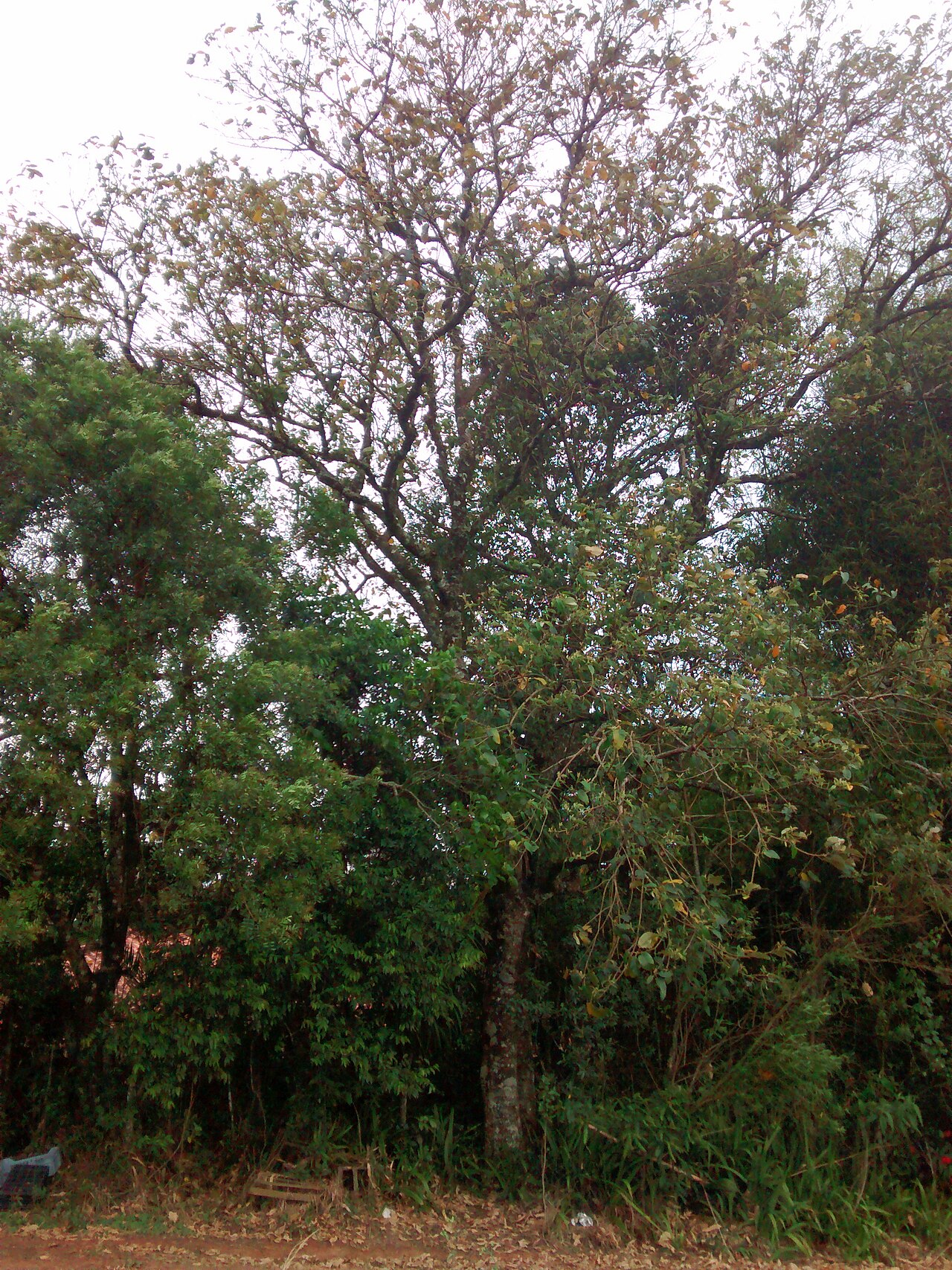
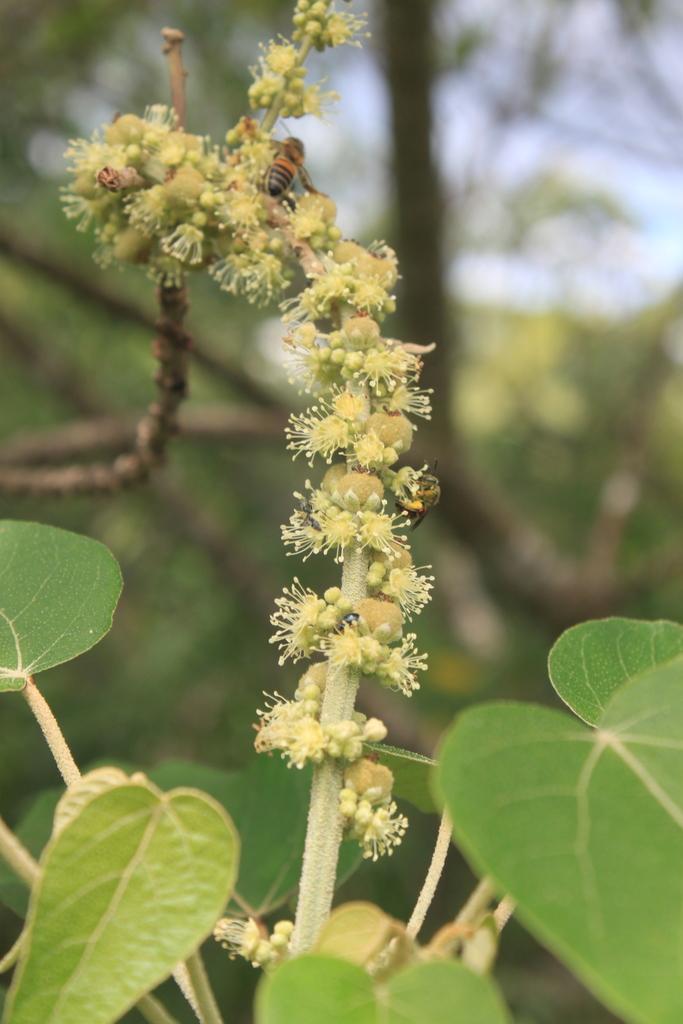
capixingui
Croton floribundus
Secondary I High Mulch biomassNative pioneer tree of the Atlantic Forest and Cerrado, common in edges and clearings of semi-deciduous forests. Reaches 8–15 m on a roughly 30-yea...
-
dragon's blood tree
Croton urucurana
Secondary I Medium Mulch biomassHeliophyte pioneer tree typical of riparian forests and humid terrain across the Amazon, Cerrado, and Atlantic Forest. Reaches 7–14 m and produces ...
-
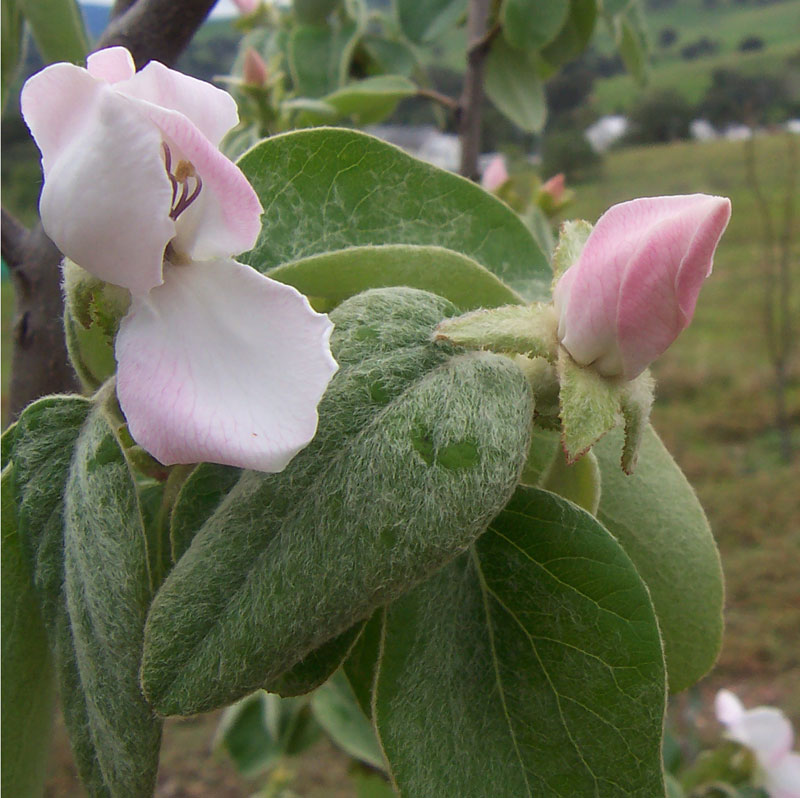
quince
Cydonia oblonga
Secondary I Medium No biomass productionQuince, a small deciduous fruit tree of the Rosaceae family, exotic to Brazil and suited to temperate-climate regions. It needs a cool period (temp...
-
baru nut
Dipteryx alata
Climax EmergentNative Cerrado leguminous tree reaching over 25 m. Although a legume, it does not form root nodules with N-fixing bacteria — relies on N from groun...
-
tonka bean
Dipteryx odorata
Climax Emergent Mulch biomass 🌱 Nitrogen fixerEmergent Amazonian tree (15–30 m), relative of baru (Dipteryx alata, already in canon but Cerrado). Seeds (beans) with intense vanilla-coumarin aro...
-
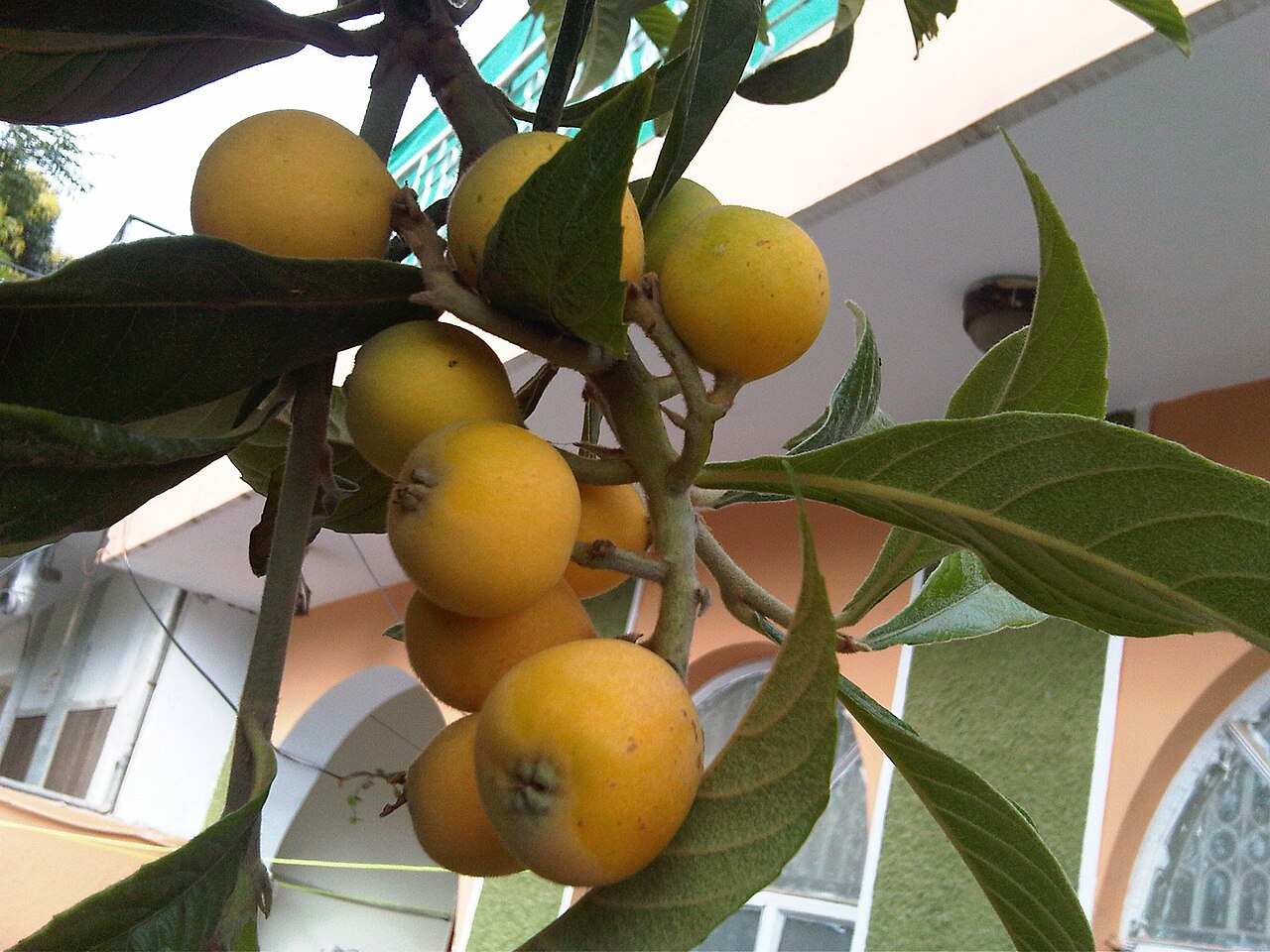
loquat
Eriobotrya japonica
Secondary II High No biomass productionAsian fruit tree naturalized in highland regions of Brazil. EcoAgri lists it in the high stratum of the 'up to 50 years' bin. Flowers in winter, fr...
-
grumichama
Eugenia brasiliensis
Climax Medium No biomass productionAtlantic Forest native fruit tree, with small purple fruits resembling cherries. EcoAgri lists it in the medium stratum of the '> 50 years' bin. Mo...
-
cagaita
Eugenia dysenterica
Secondary II Medium No biomass productionNative Cerrado fruit tree (4–10 m), rounded canopy. Flowers in August–September at peak drought before the rains — white blooms covering bare branc...
-
uvaia
Eugenia pyriformis
Secondary I Medium No biomass productionAtlantic Forest native, listed by Pasini in the medium stratum of Tabela 3. Aromatic yellow fruit similar to a small guava. Tolerant of subtropical...
-
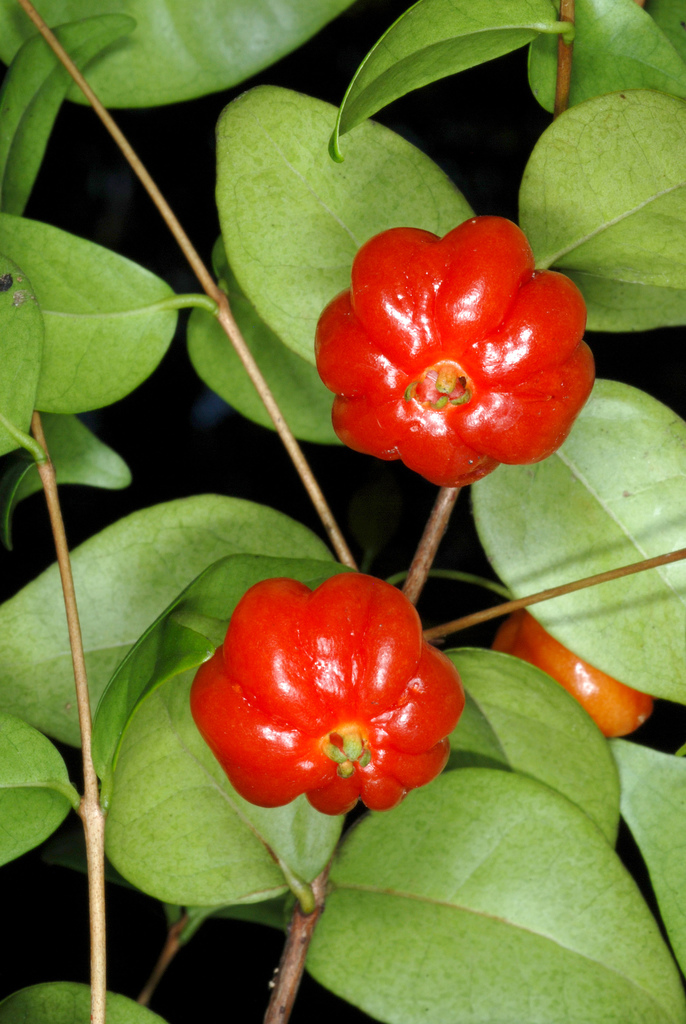
Surinam cherry
Eugenia uniflora
Secondary I Medium No biomass productionSmall native fruit tree of the Atlantic Forest. Pasini lists it in the medium stratum of Tabela 4 (3–10 year phase). Cherry-red bittersweet fruit, ...
-
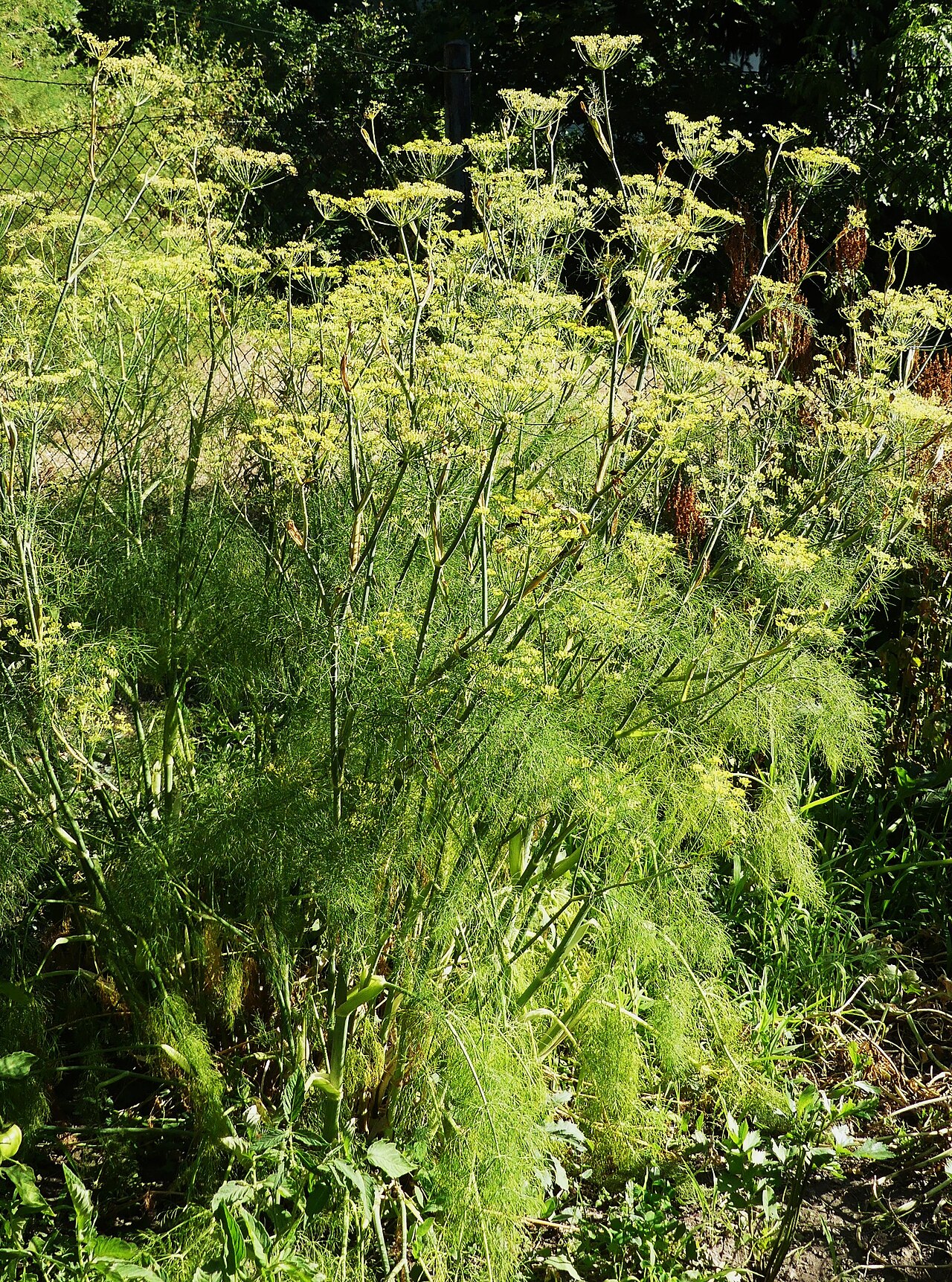
fennel
Foeniculum vulgare
Placenta I Low No biomass productionPerennial Mediterranean herb (1–2 m), feathery anise-scented leaves. Seeds used as seasoning and medicinal. Bulb of the sweet variety is a vegetabl...
-
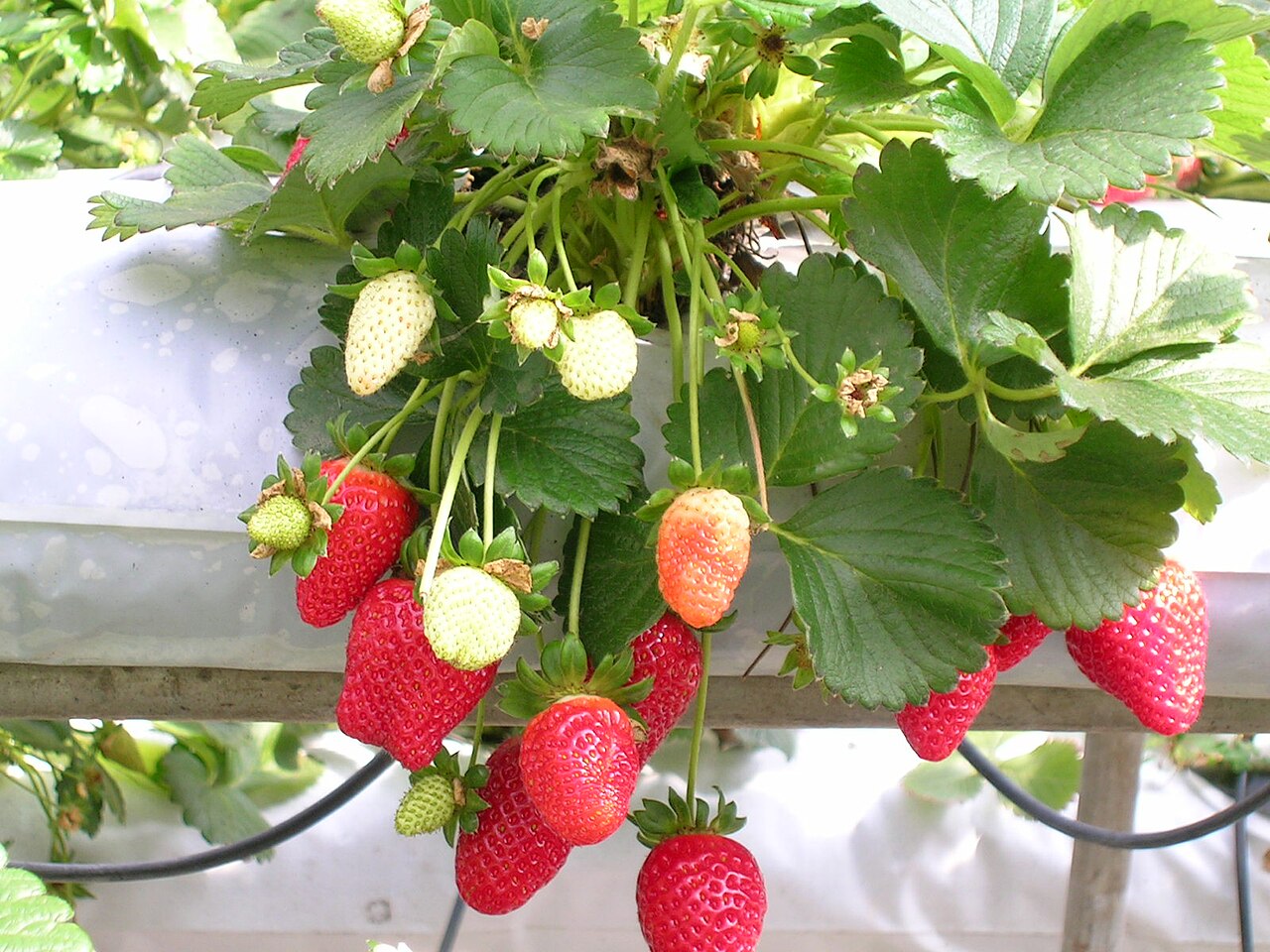
strawberry
Fragaria × ananassa
Placenta I Ground cover No biomass productionPerennial herbaceous ground-runner cultivated as annual or biennial. Productive ground cover in vegetable gardens and syntropic systems. Mild cold ...
-
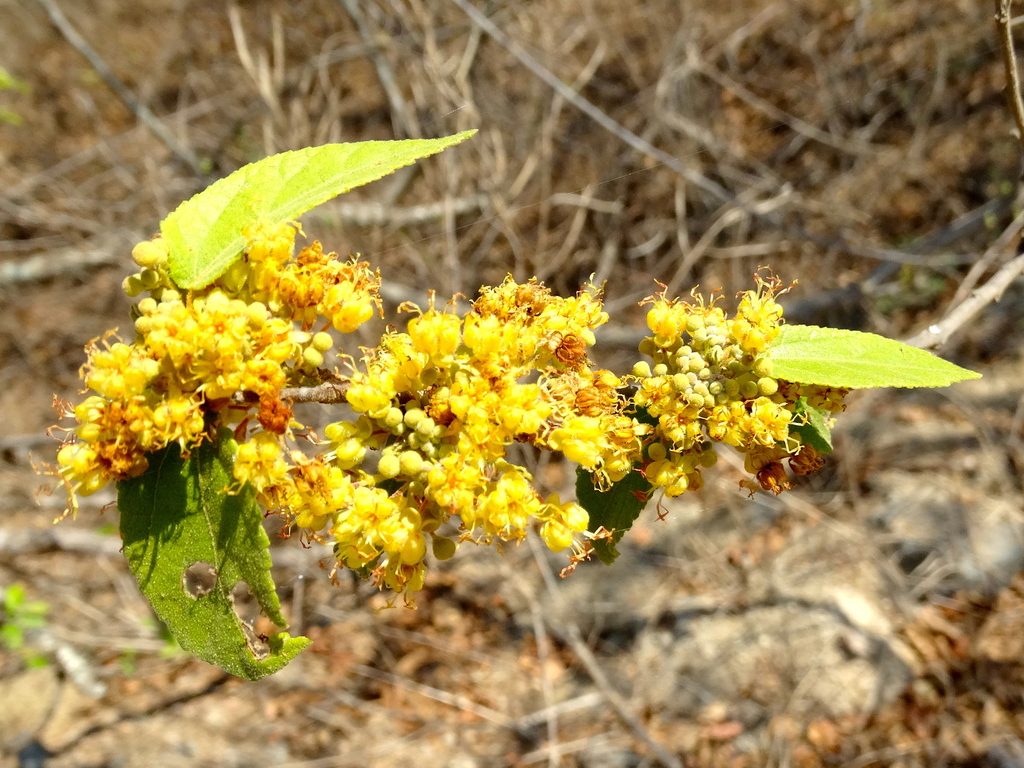
West Indian elm
Guazuma ulmifolia
Secondary I High Mulch biomassFast-growing pioneer tree native to the Cerrado, Pantanal, and Atlantic Forest. Pasini lists it in the high stratum of Tabela 3 and in the 10–20 ye...
-
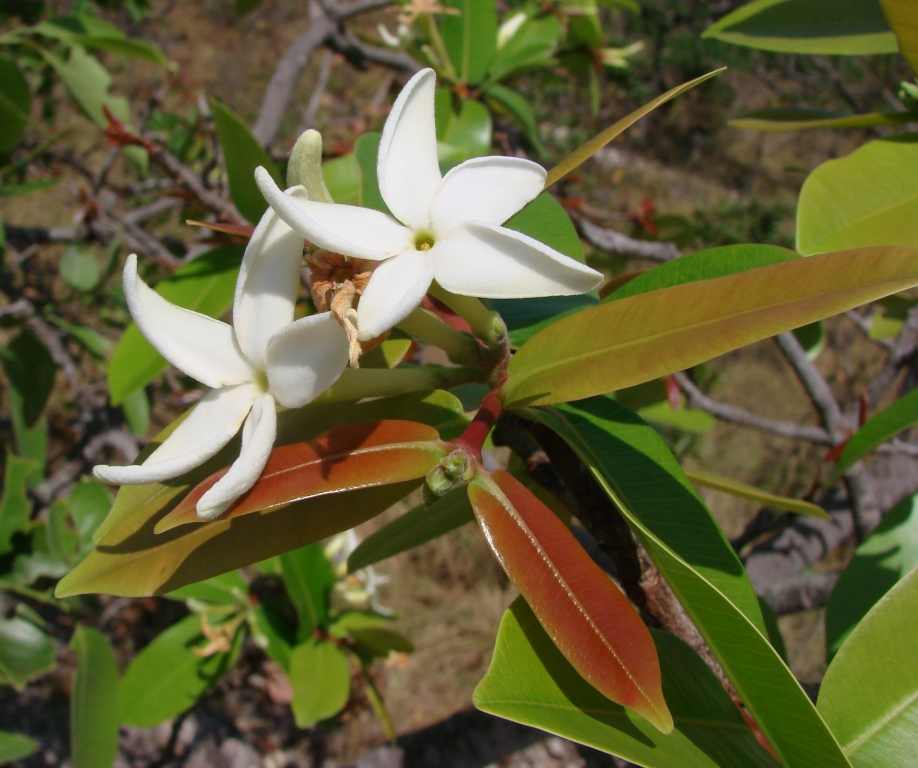
mangaba
Hancornia speciosa
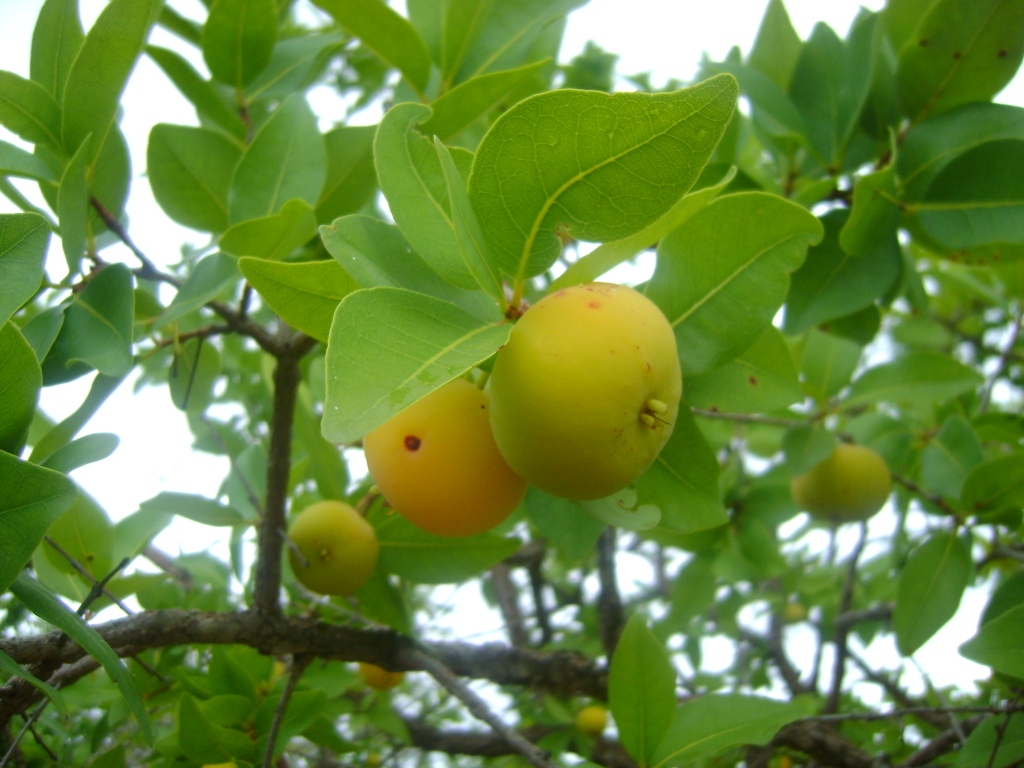
Secondary II MediumEvergreen to semi-deciduous tree 2–10 m tall, characteristic of Brazilian Cerrado and coastal tablelands. Considered one of Brazil's priority 'Plan...
-
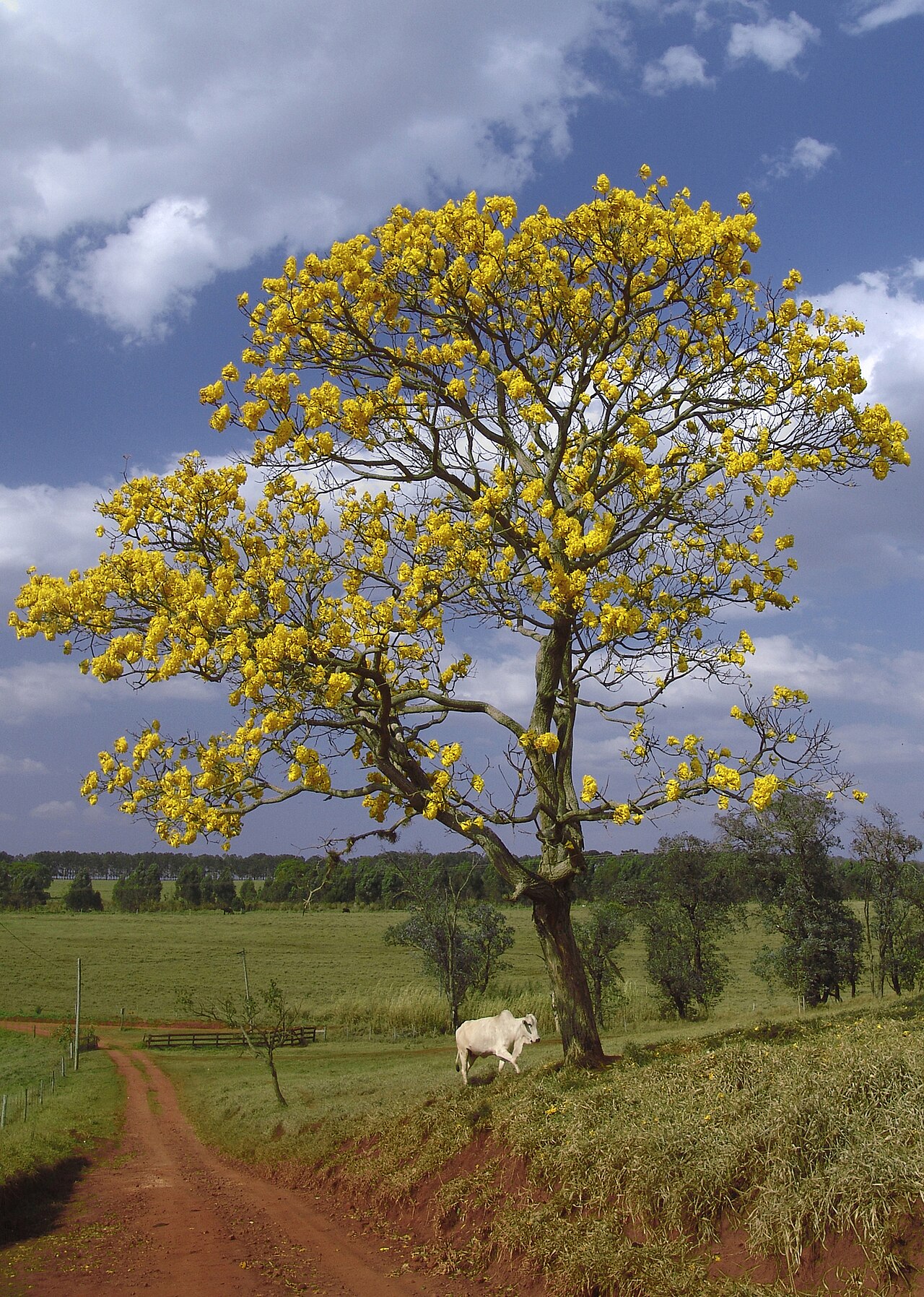
yellow trumpet tree
Handroanthus albus
Climax Emergent Mulch biomassLong-cycle climax with premium timber. Characteristic of Cerrado and Atlantic Forest. Spectacular winter bloom.
-
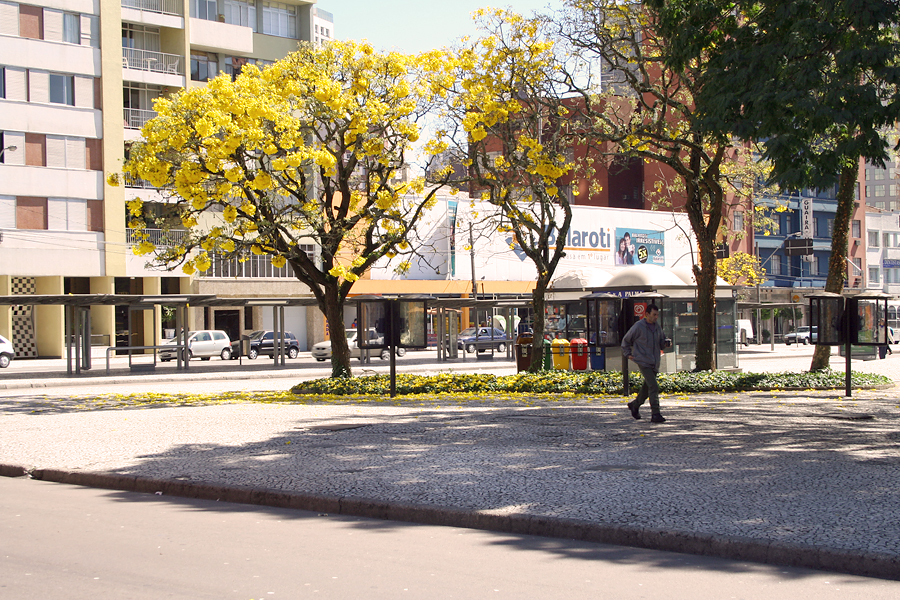
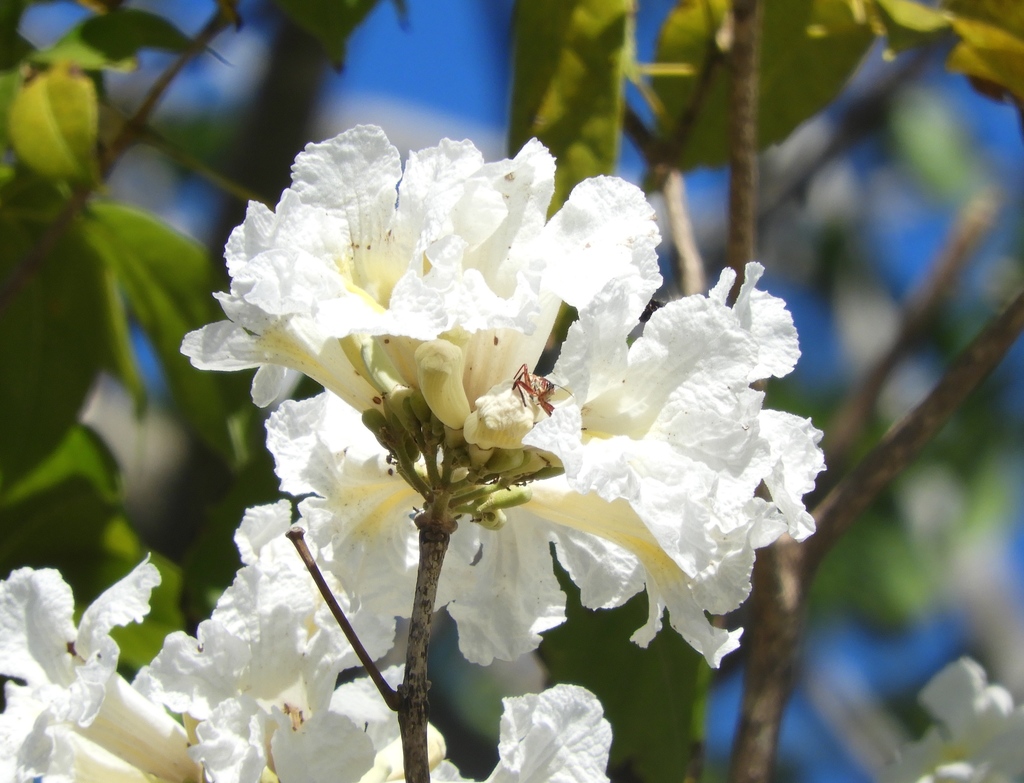
yellow lapacho
Handroanthus chrysotrichus
Climax High No biomass productionMedium-tall tree of the southern and southeastern Atlantic Forest (8–15 m). Vivid golden-yellow flowering in August–September, denser than the cerr...
-
pink lapacho
Handroanthus impetiginosus
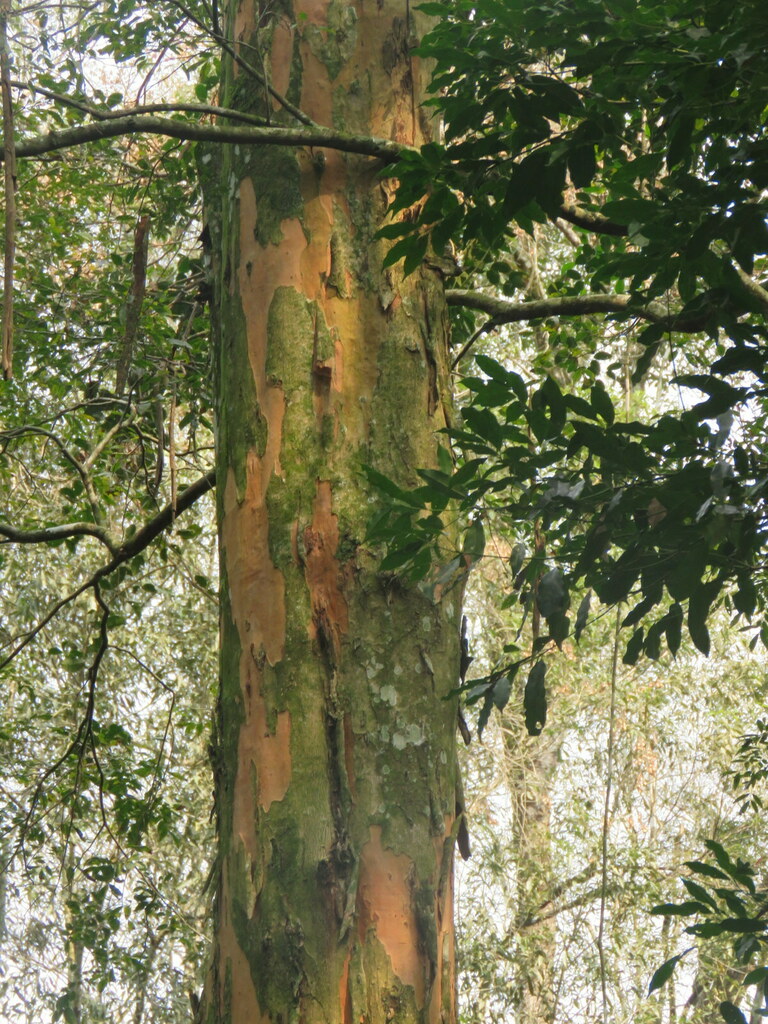
Climax Emergent Mulch biomassEmergent tree native to Cerrado, Atlantic Forest, Caatinga, Amazon, and Pantanal. Reaches 20–35 m in the wild, 8–12 m in cultivation. Vivid magenta...
-
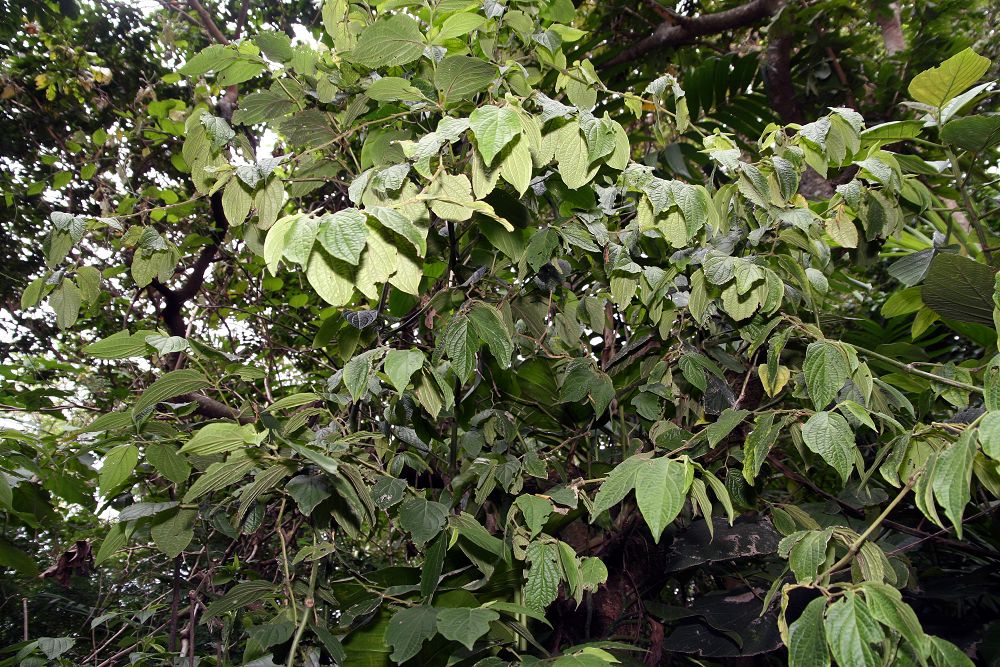
river inga
Inga vera
Secondary I Medium Fertilizer biomass 🌱 Nitrogen fixerA pioneer leguminous tree native to the Neotropics, 5-10 m tall, with a broad low crown, frequent in secondary formations of humid or swampy soil, ...
-
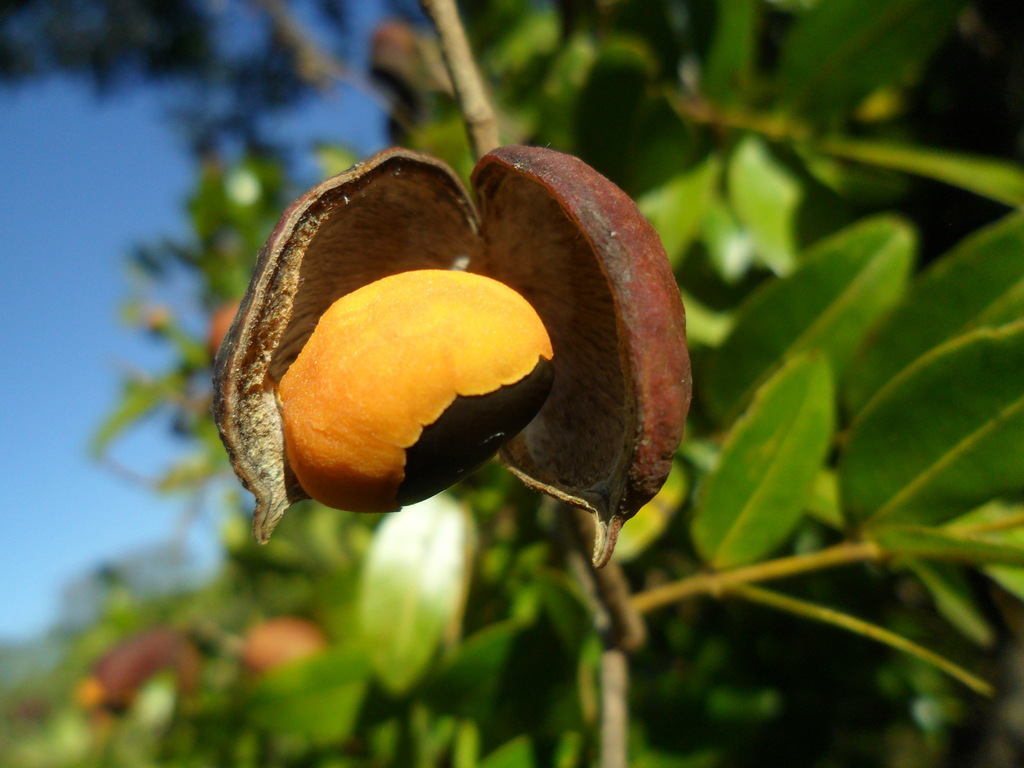
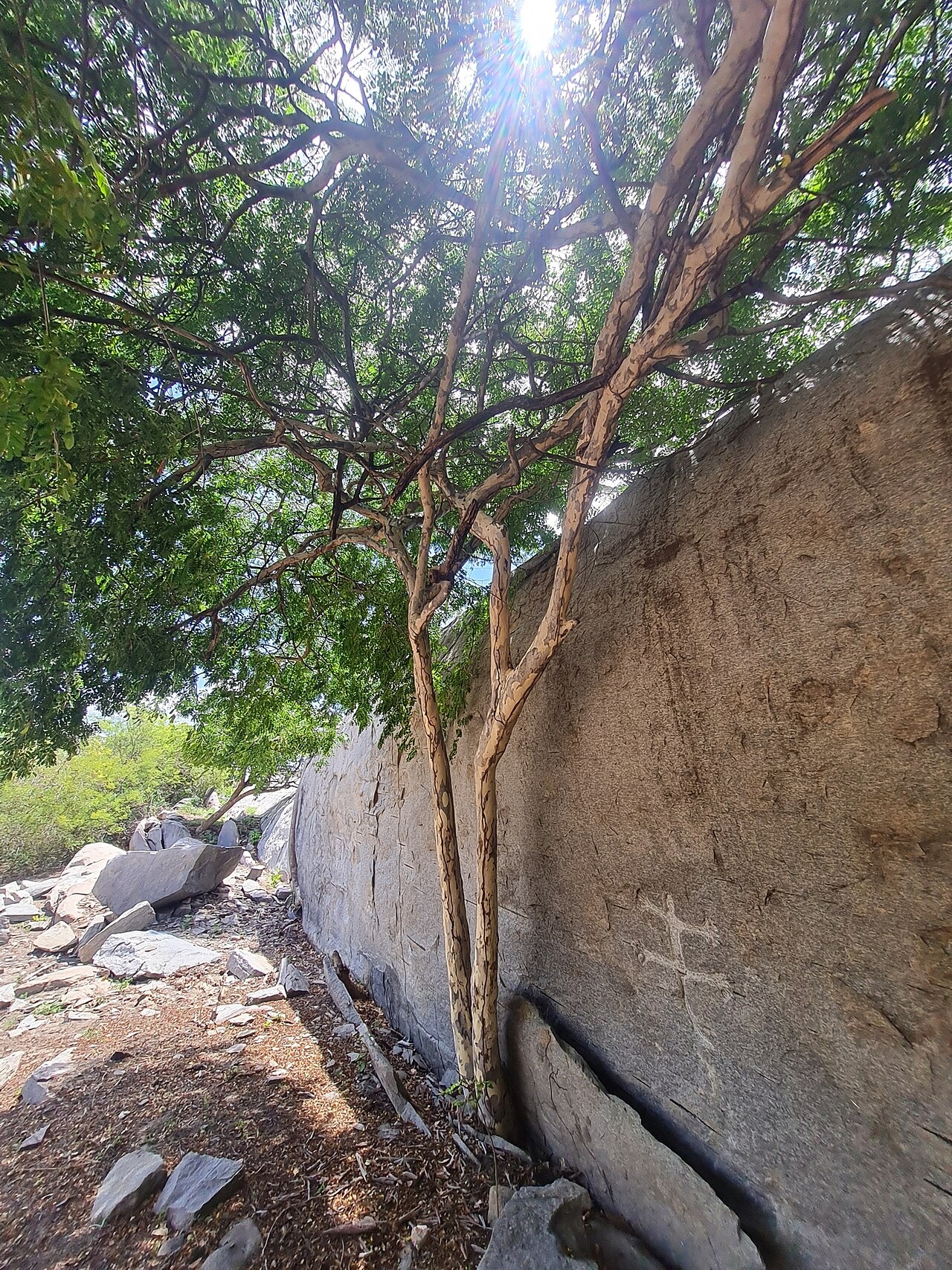
Brazilian ironwood
Libidibia ferrea
Secondary II High Fertilizer & mulchLeguminous tree occurring in Caatinga, Cerrado and Atlantic Forest. Sun-tolerant and melliferous.
❓ Frequently asked questions
What does "Melliferous" mean in syntropic agriculture?
Species whose flowers are a major source of nectar or pollen for honey production. Strategic in systems integrated with beekeeping or stingless-bee keeping.
Which catalog species are tagged Melliferous?
The catalog holds 104 species, among them coffee, bourbon coffee, geisha coffee. Each profile shows stratum, succession stage, and the management data, with sources cited.