
Function
Melliferous — species for syntropic systems
Melliferous species sustain bees — native and honeybees alike — and return the investment in pollination and honey. Staggered blooms feed the apiary all year.
104 species in the catalog · Refine this list in the catalog
-
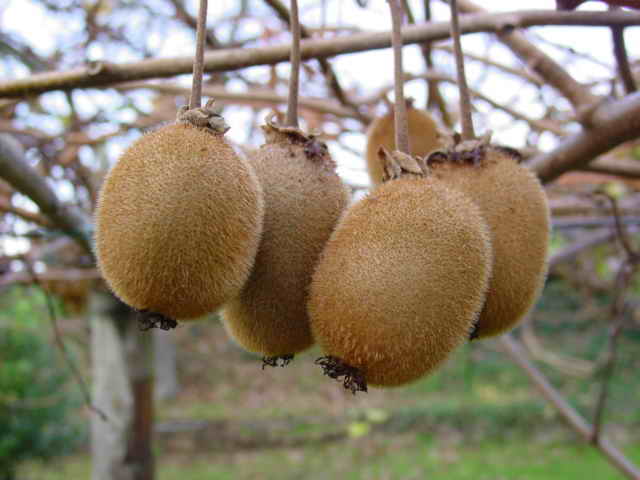
kiwifruit
Actinidia deliciosa
Secondary II Medium No biomass productionWoody vine native to southern China. Cultivated above 600 m altitude in southern and southeastern Brazil (RS, SC, PR, MG, SP). Requires chill hours...
-
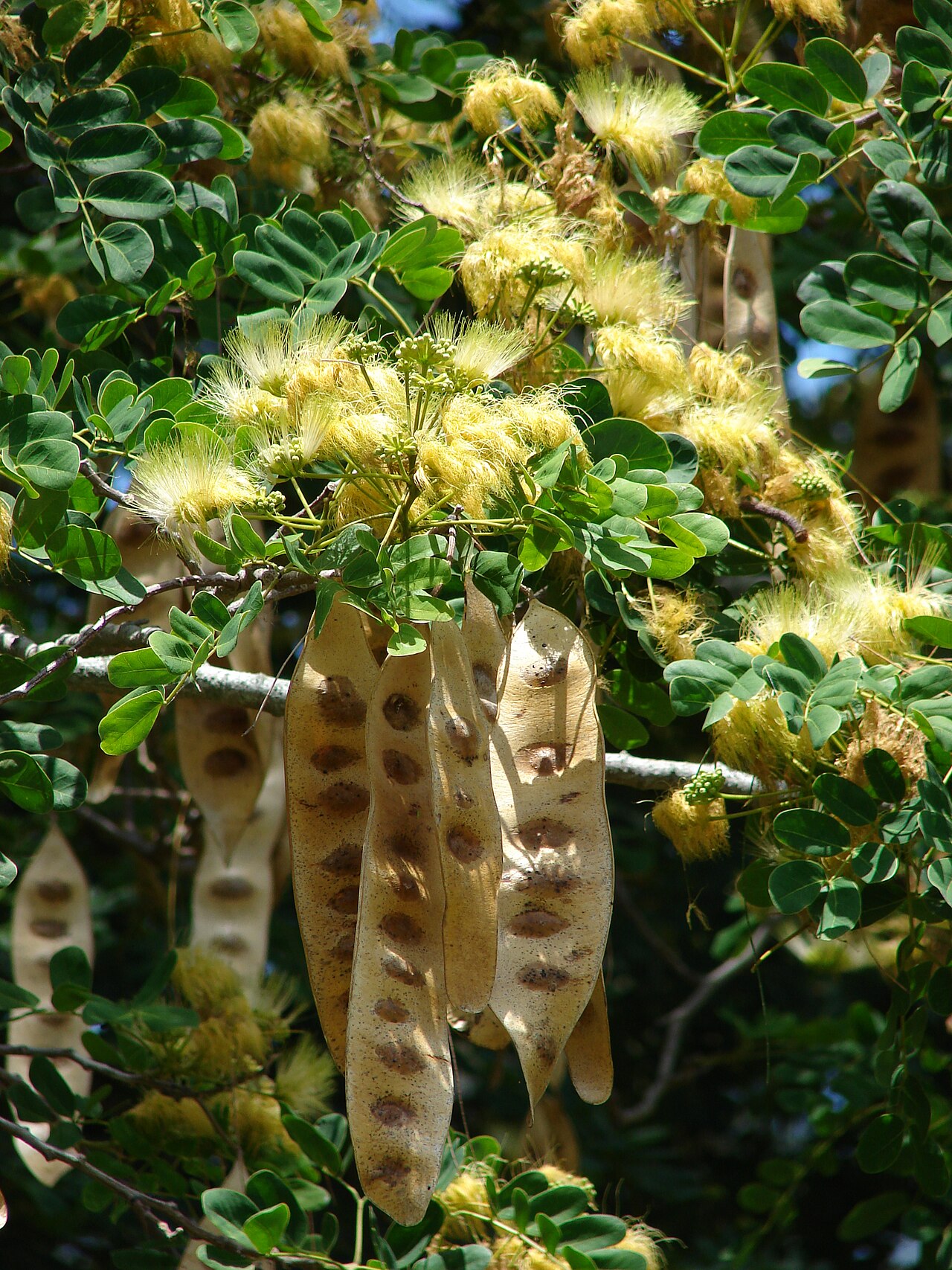
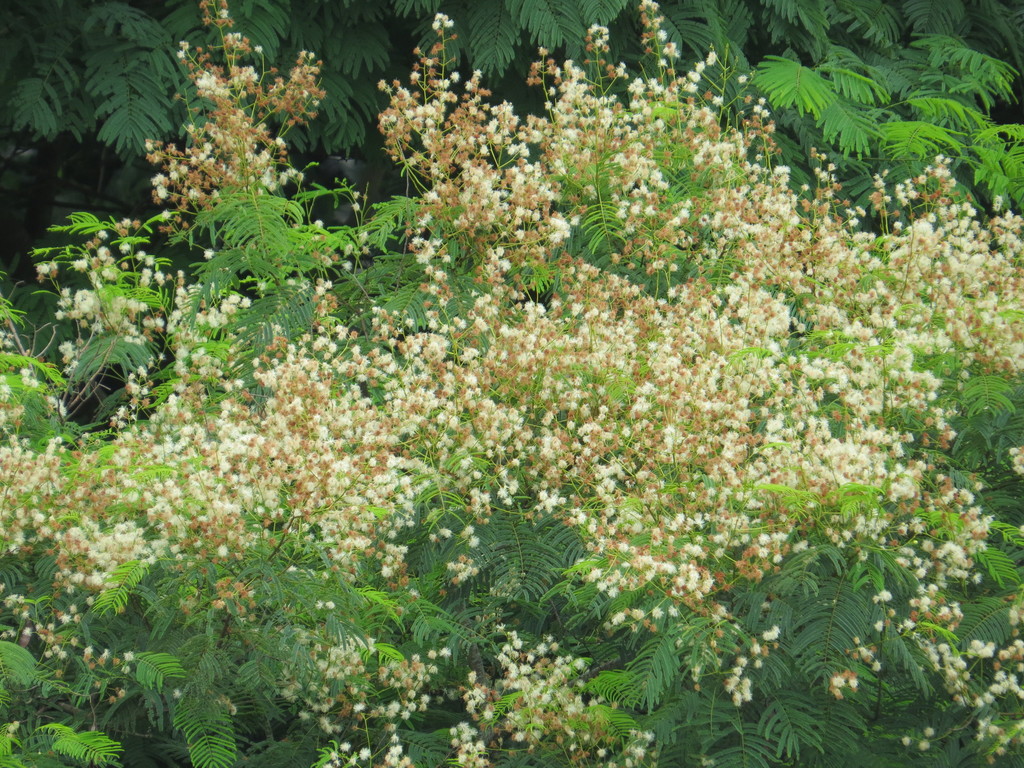
siris tree
Albizia lebbeck
Secondary II High Fertilizer biomass 🌱 Nitrogen fixerA fast-growing, drought-tolerant leguminous tree of 18-30 m, native to tropical Asia and now pantropical. It fixes nitrogen readily and coppices ex...
-
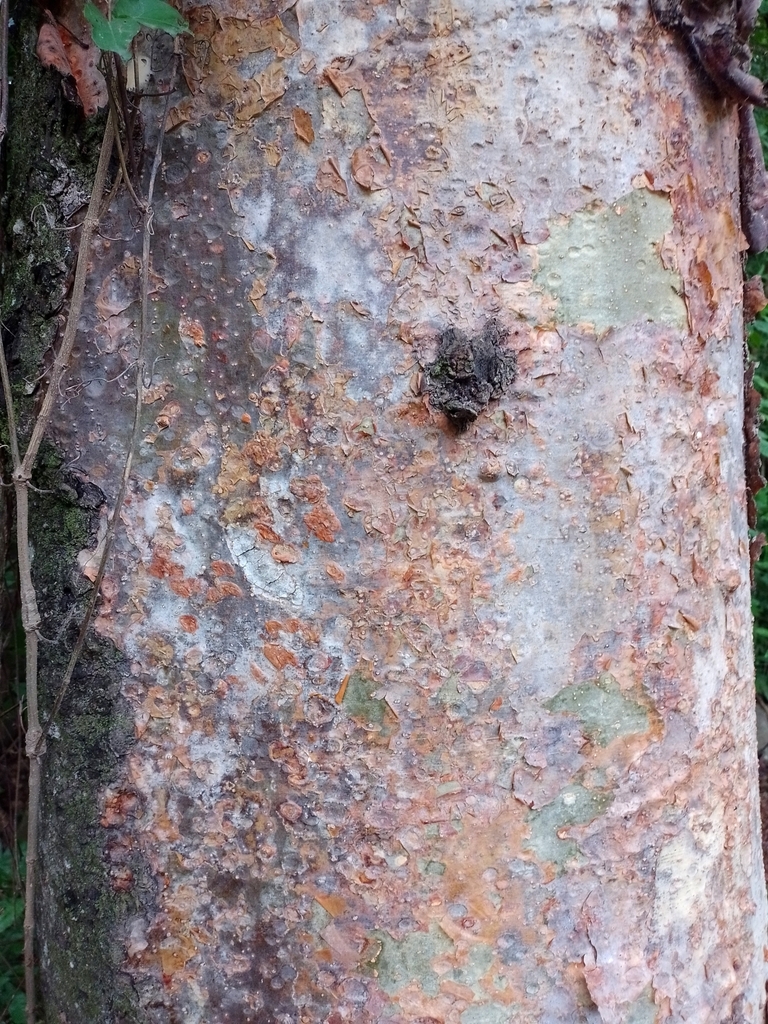
amburana
Amburana cearensis
Climax High Mulch biomassPremium-timber leguminous tree native to Caatinga, Cerrado, and dry Atlantic Forest. EcoAgri lists it in the high stratum of the '> 50 years' bin. ...
-
dwarf early-bearing cashew
Anacardium occidentale
Secondary II High No biomass productionEmbrapa dwarf early-bearing cashew clones — 4–6 m height vs. 8–15 m of common cashew. First fruits at 18–24 months (vs. 4 years for the common cash...
-
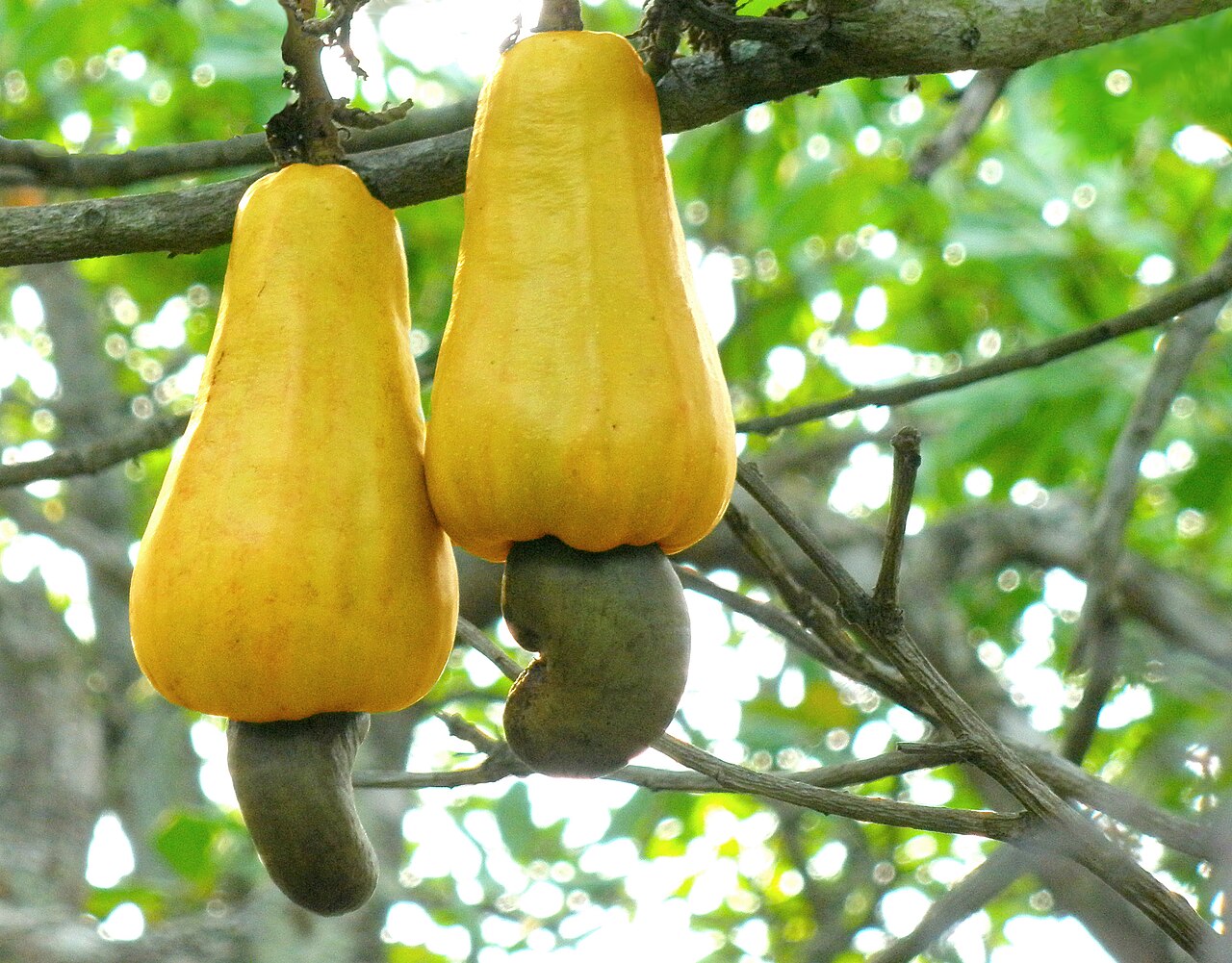
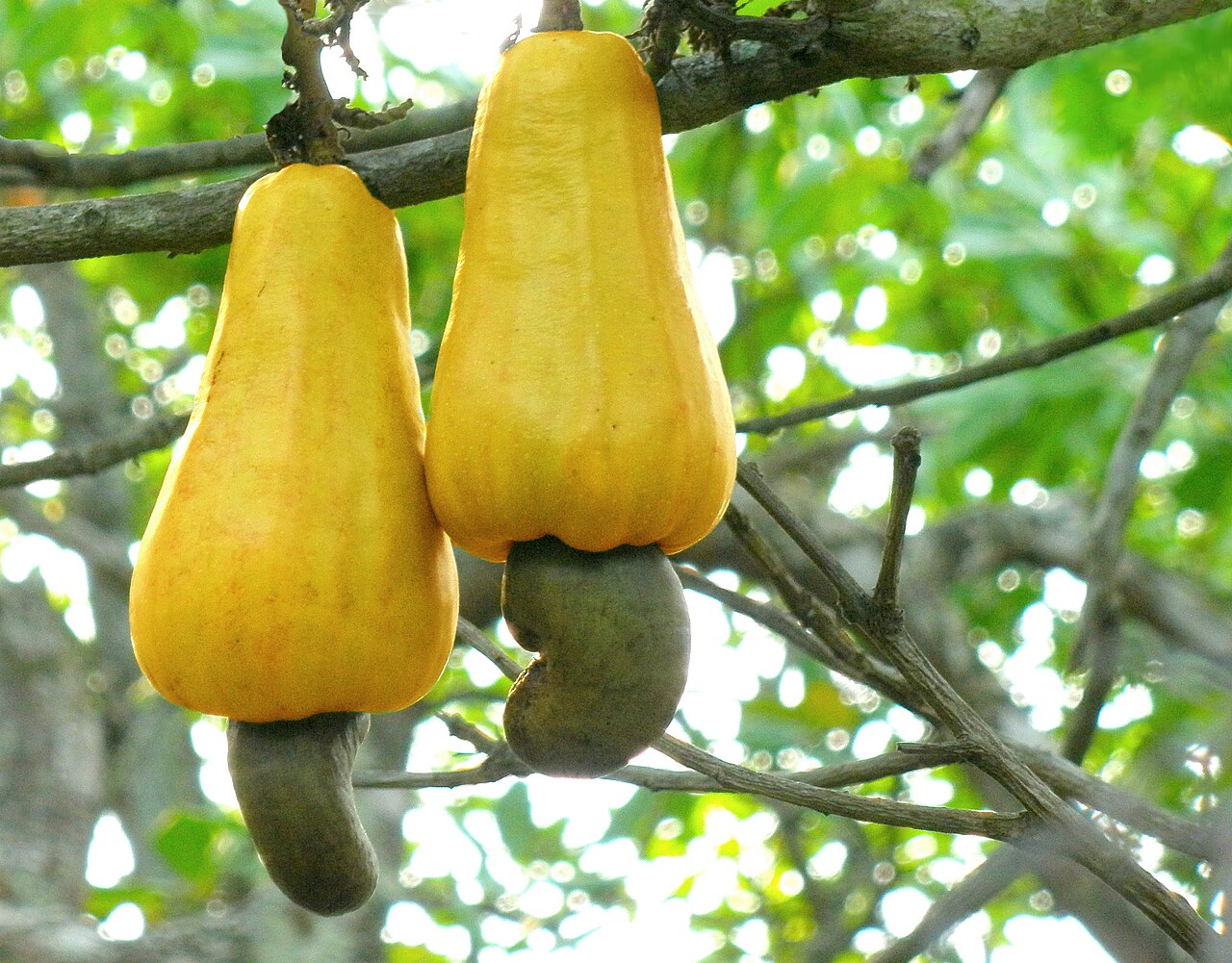
cashew
Anacardium occidentale
Secondary II High No biomass productionNative fruit tree of the Cerrado and Caatinga; produces a pseudofruit (the cashew apple) and the true cashew nut. Pasini lists it in the emergent s...
-
cebil
Anadenanthera colubrina
Secondary I High Fertilizer biomass 🌱 Nitrogen fixerFast-growing pioneer legume, nitrogen fixer. Adapted to poor and degraded soils; widely used in restoration of degraded areas across Caatinga, Cerr...
-
atemoya
Annona × atemoya
Secondary I Medium No biomass productionHybrid of sugar apple (A. squamosa) and cherimoya (A. cherimola), created in the US in the early 1900s and introduced to Brazil in the 1960s. Combi...
-
bilimbi
Averrhoa bilimbi
Secondary I Medium No biomass productionSmall tropical tree (5–10 m), close relative of carambola (Averrhoa carambola, already in canon). Small green cylindrical very acidic fruits — used...
-
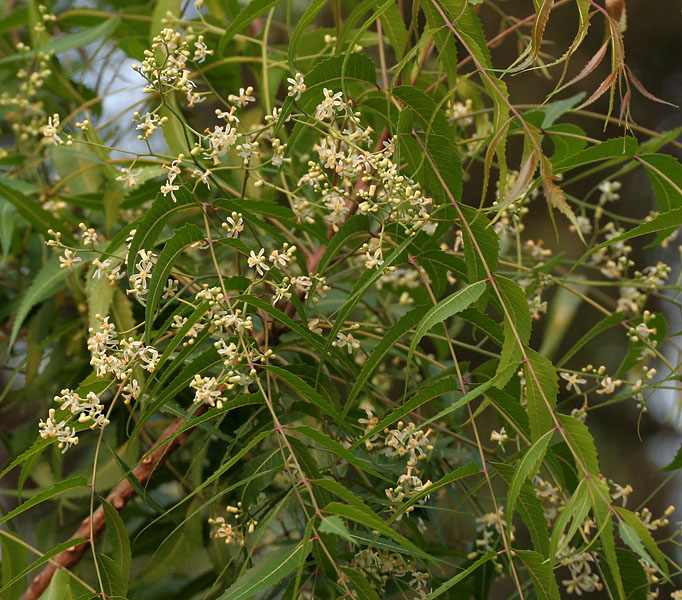
neem
Azadirachta indica
Secondary I High Mulch biomassIndian-origin tree adapted to Brazil, the biopesticide species of the Embrapa Vitrine SAF. Leaves and seed oil (azadirachtin) repel more than 200 i...
-
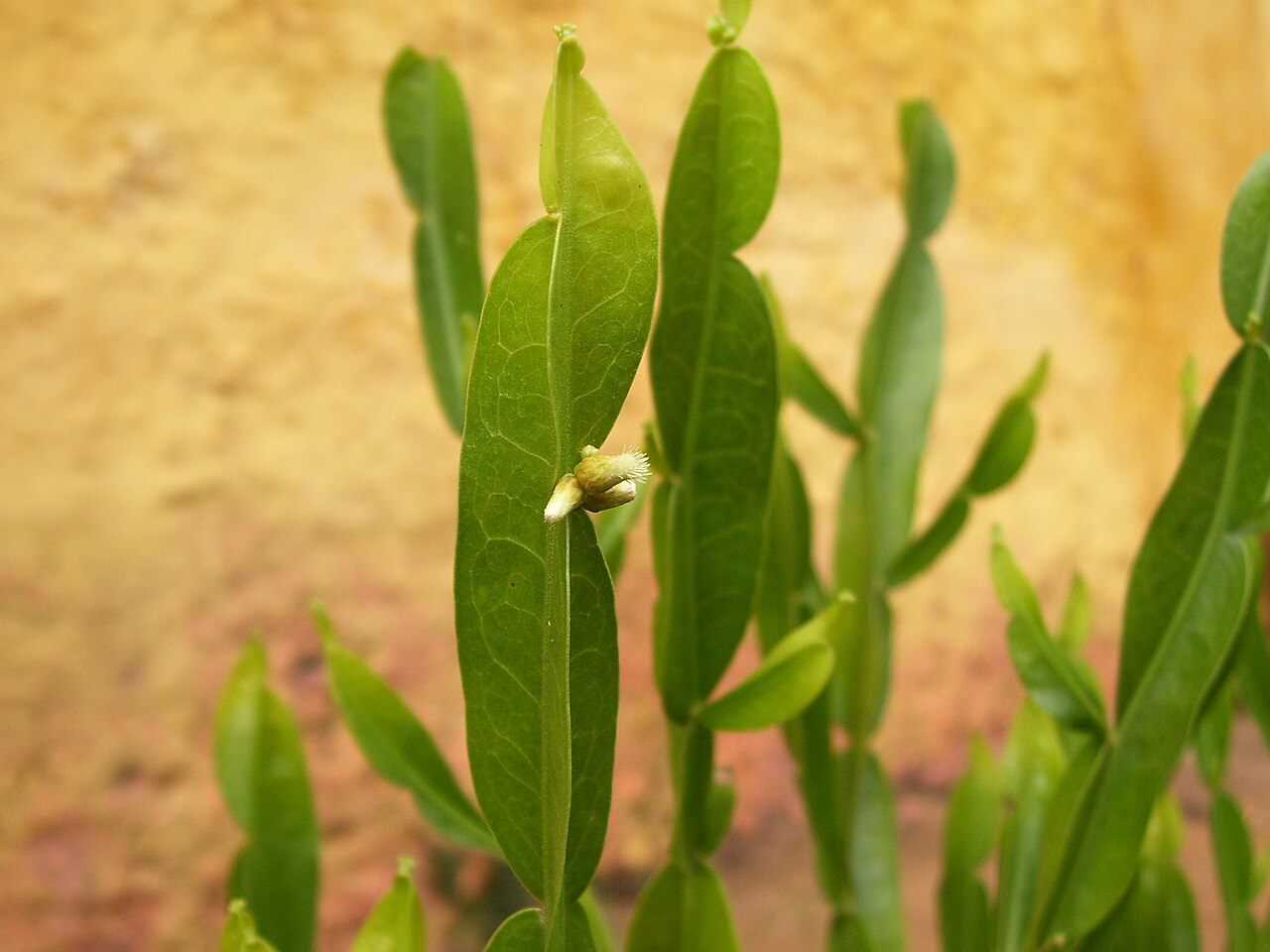
carqueja
Baccharis trimera
Placenta II Low No biomass productionA perennial subshrub of the Asteraceae family, native to southern, southeastern and central-western Brazil and neighboring parts of South America, ...
-
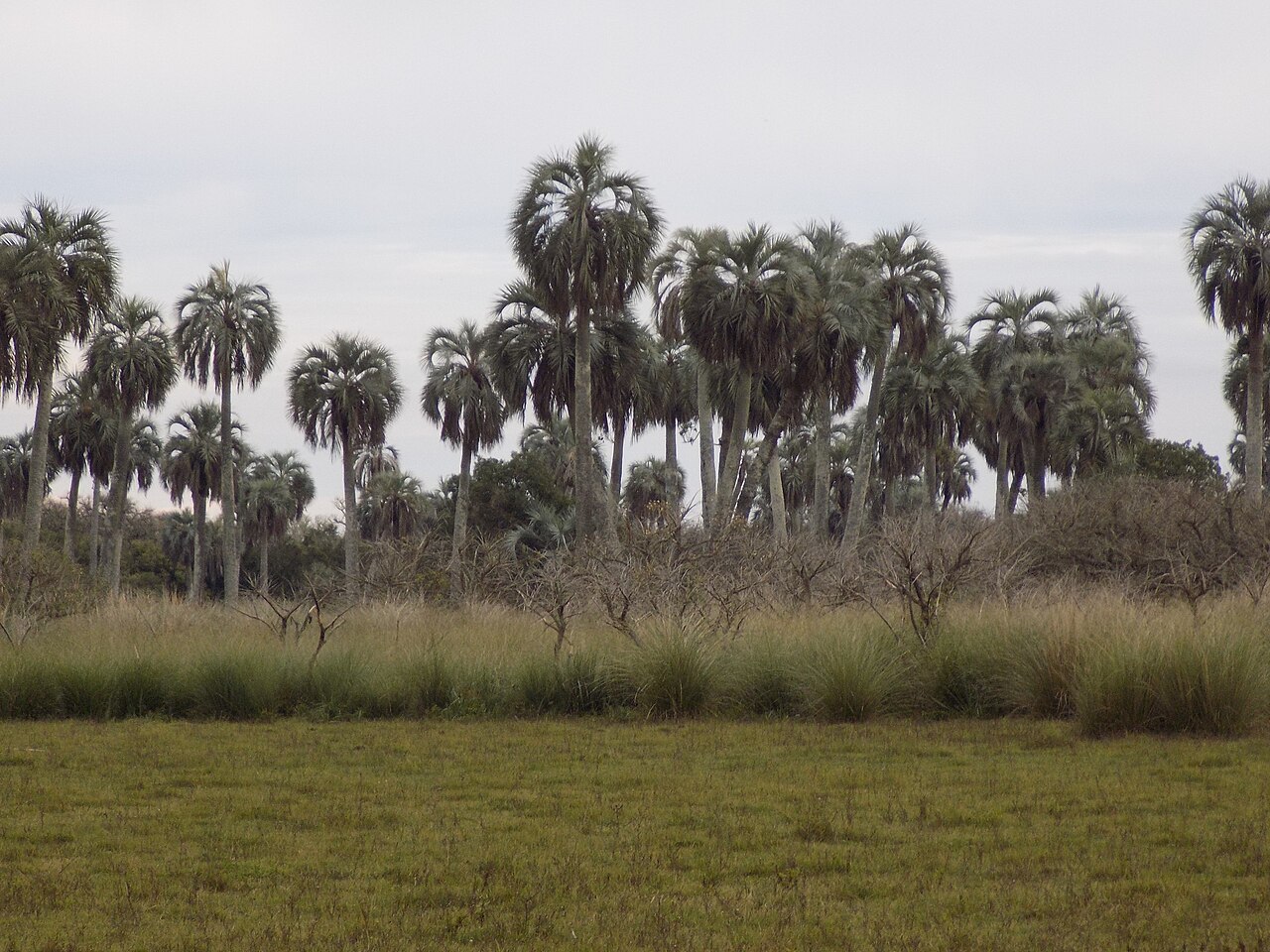
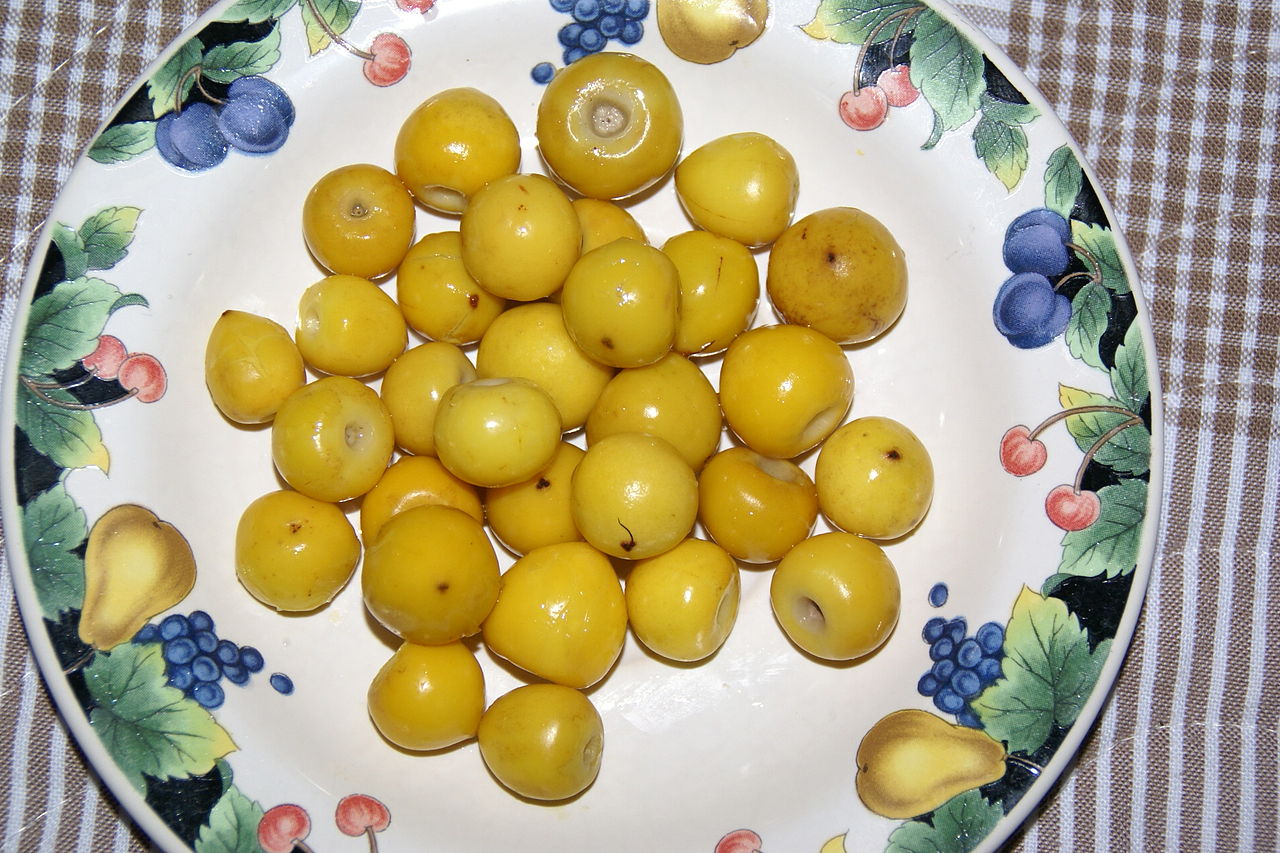
jelly palm
Butia odorata
Climax Medium No biomass productionNative palm of the Pampa and southern grasslands. 4–8 m, leaf-base covered trunk. Orange-yellow fruits with fibrous sweet-tart flesh — basis of jel...
-
nance
Byrsonima crassifolia
Secondary II High No biomass productionNative Cerrado and Caatinga fruit tree with a wide, low crown. EcoAgri lists it in the high stratum of the 'up to 50 years' extras. Small yellow fr...
-
calliandra
Calliandra calothyrsus
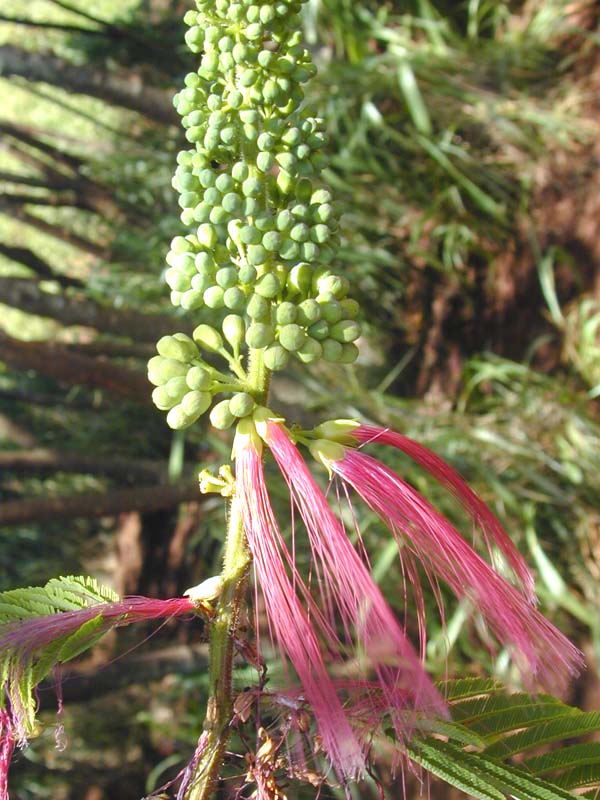
Placenta II Medium Fertilizer biomass 🌱 Nitrogen fixerA very fast-growing leguminous shrub or small tree, usually 4-6 m tall, native to Central America. A nitrogen fixer that coppices vigorously after ...
-
gabiroba
Campomanesia adamantium
Placenta II LowPioneer fruit shrub of the Cerrado that colonizes degraded areas. Deep roots stabilize soil and aid water retention. Edible fruits and medicinal le...
-
pecan
Carya illinoinensis
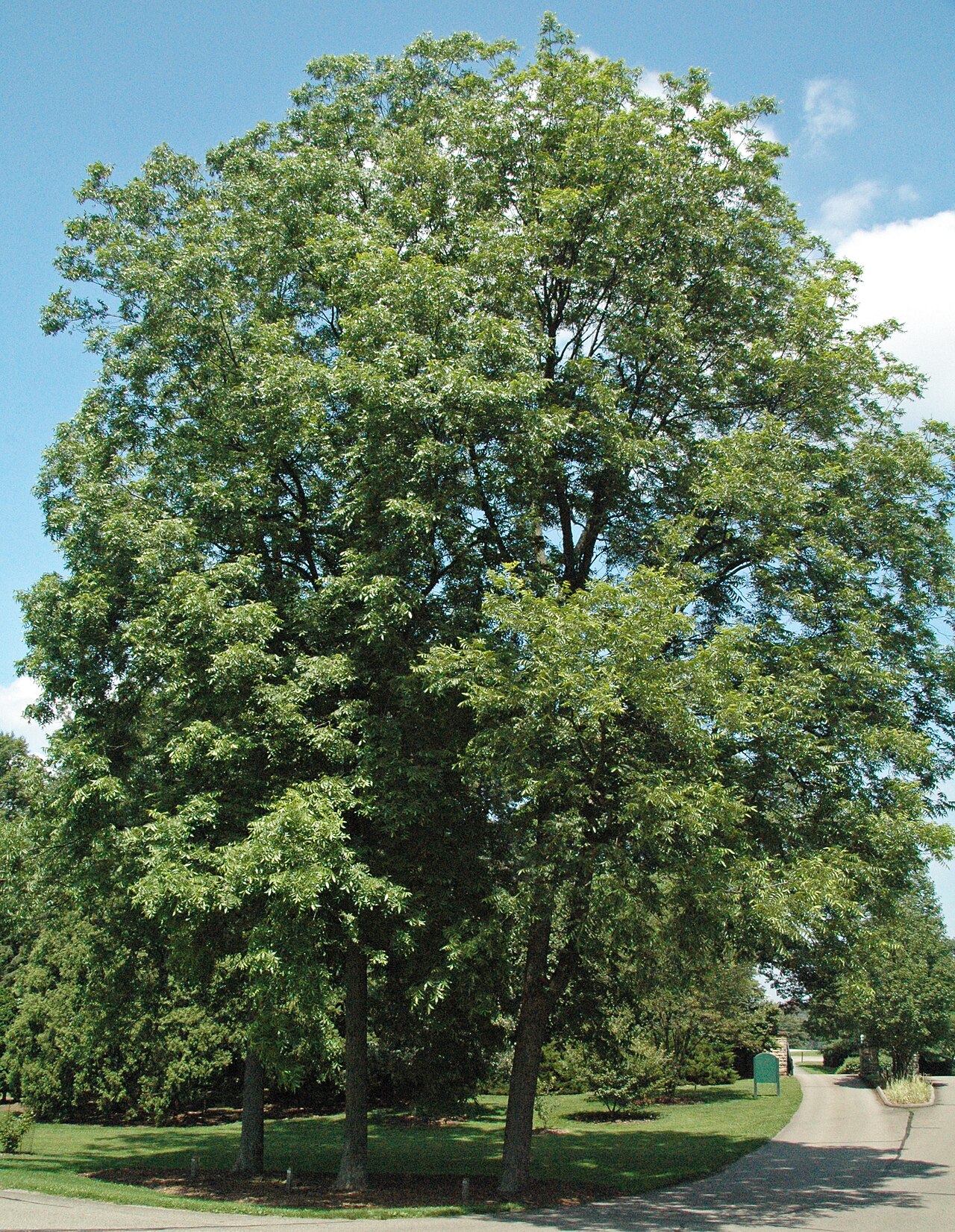
Secondary II High No biomass productionPecan, a large deciduous tree of the Juglandaceae family, native to North America and successfully grown in southern Brazil, especially Rio Grande ...
-
souari nut
Caryocar brasiliense
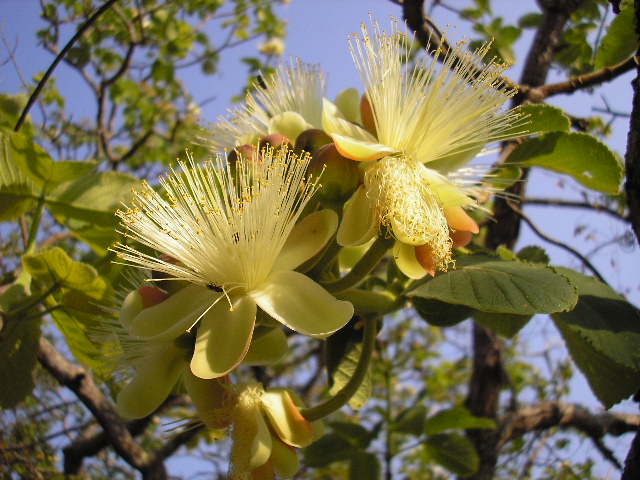
Climax HighIconic fruit tree of the Brazilian Cerrado, up to ~10 m tall with a broad crown. Very slow growth; first fruits not until ~30 years in smaller indi...
-
sweet chestnut
Castanea sativa
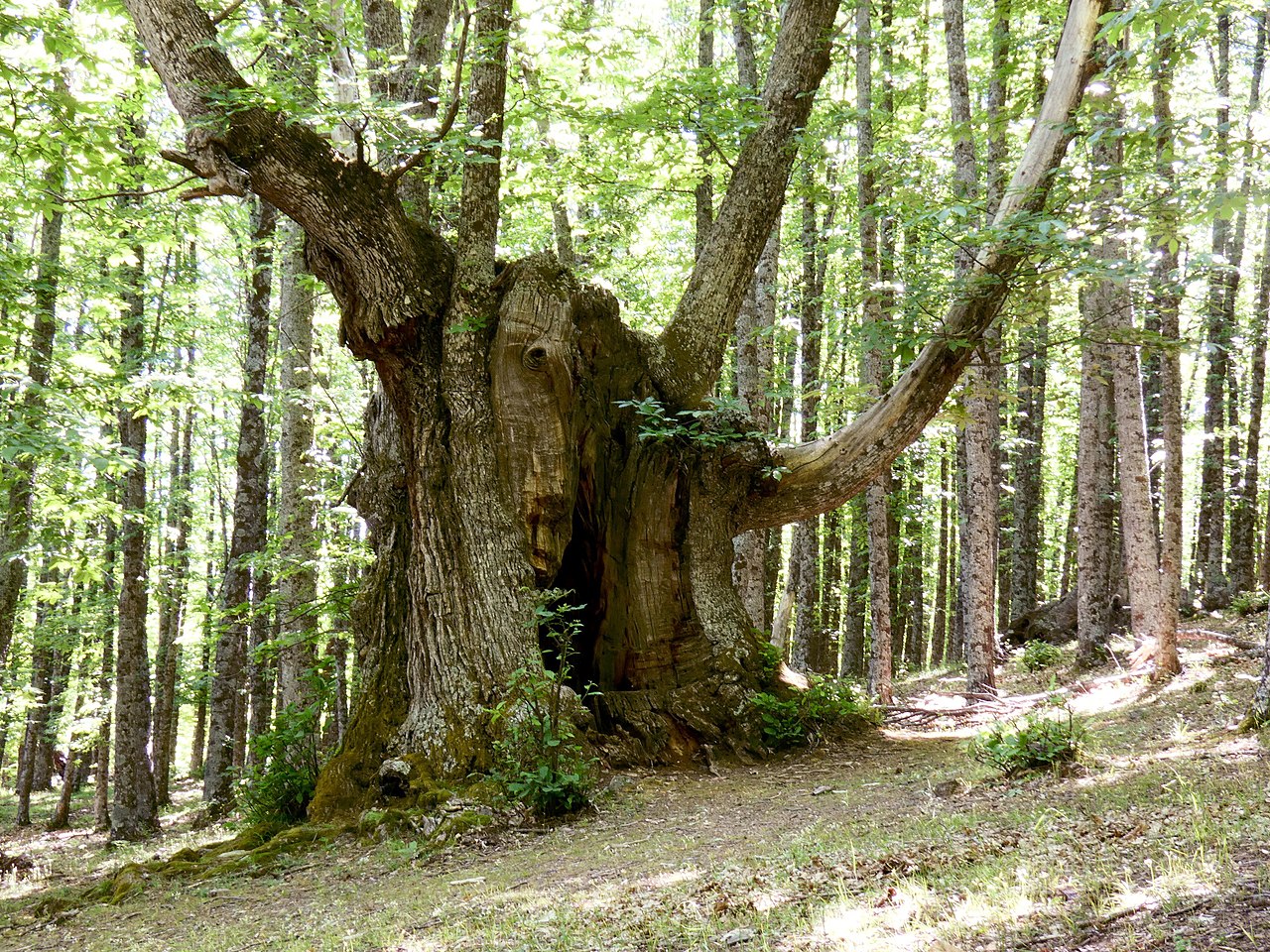
Secondary II High No biomass productionEuropean sweet chestnut, a large deciduous tree of the Fagaceae family, exotic to Brazil and suited to cold temperate regions of the south. It tole...
-
kapok tree
Ceiba pentandra
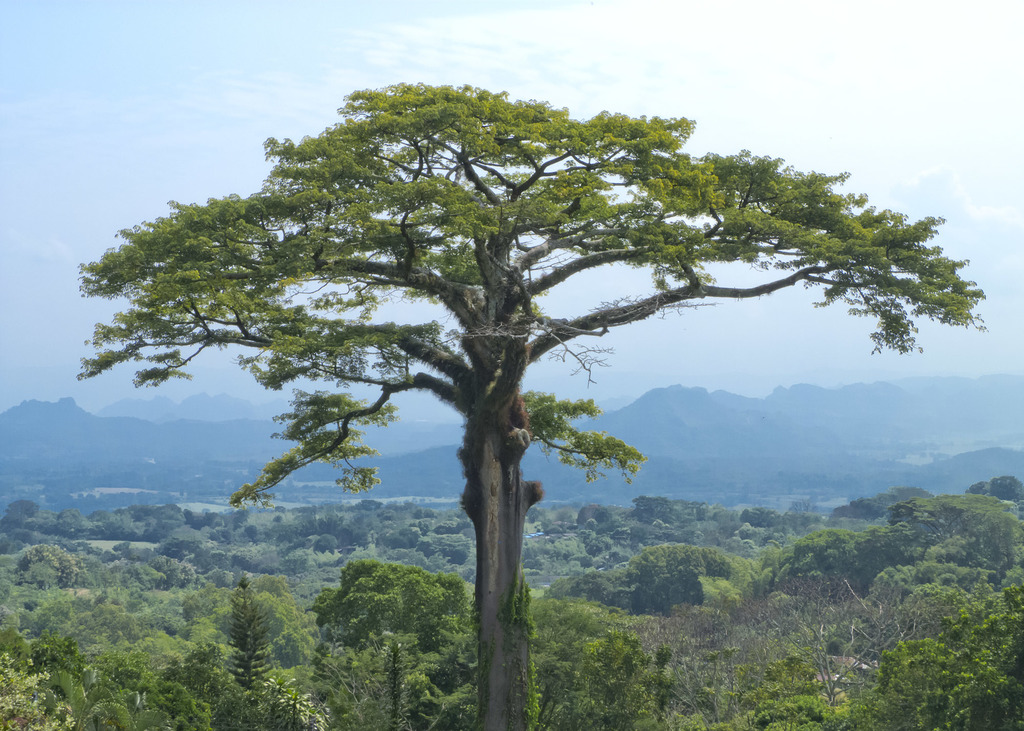
Climax Emergent Mulch biomassAmazonian emergent giant reaching 70 m — one of the tallest trees of the American tropics. Pasini lists it in the emergent stratum of Tabela 3. Sac...
-
silk floss tree
Ceiba speciosa
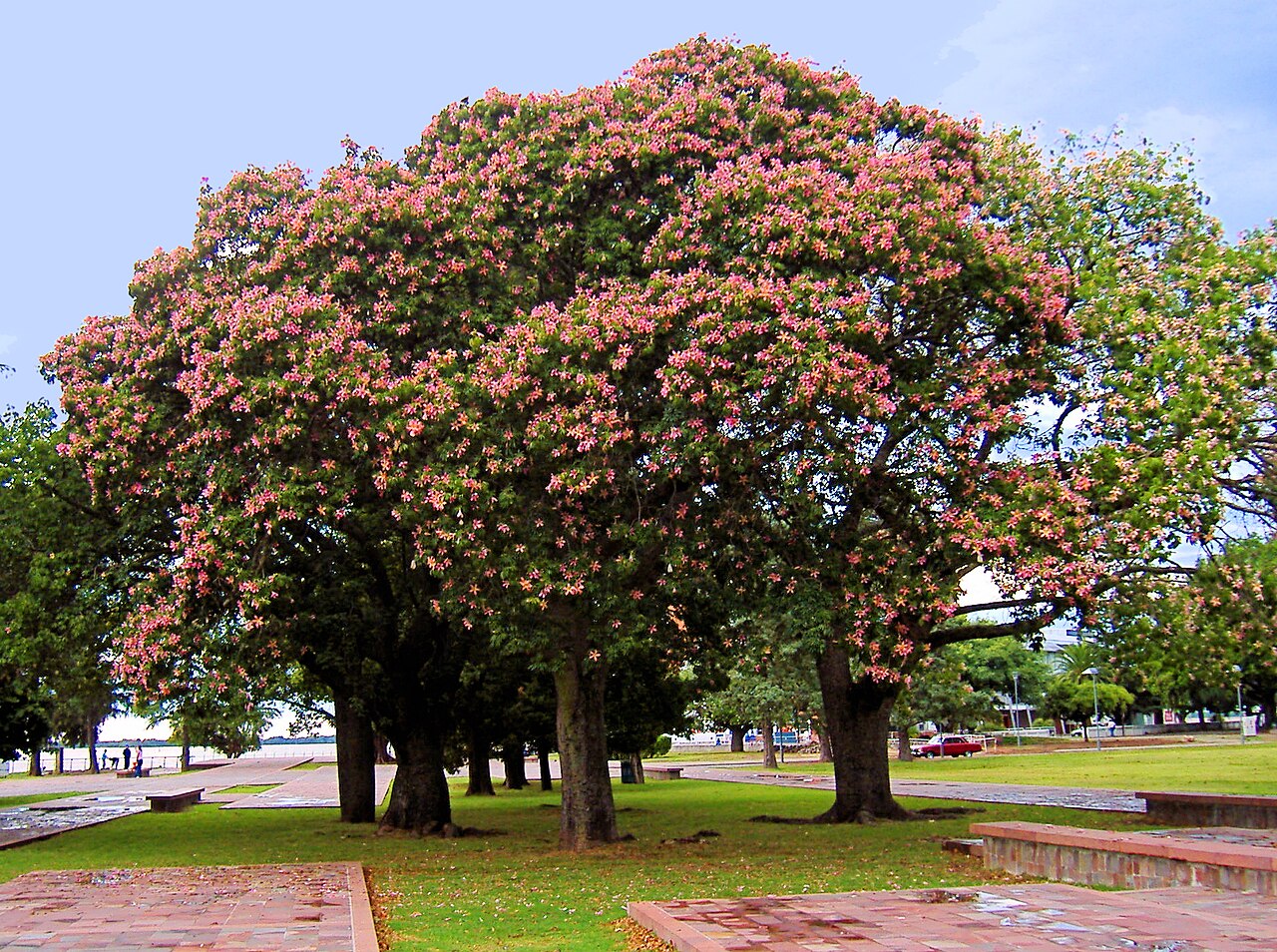
Secondary I EmergentDeciduous Atlantic Forest tree reaching 15–30 m with a crown up to 20 m wide. Fast growth (~6 m in 2–3 years). Trunk often armed with conical spines.
-
grapefruit
Citrus × paradisi
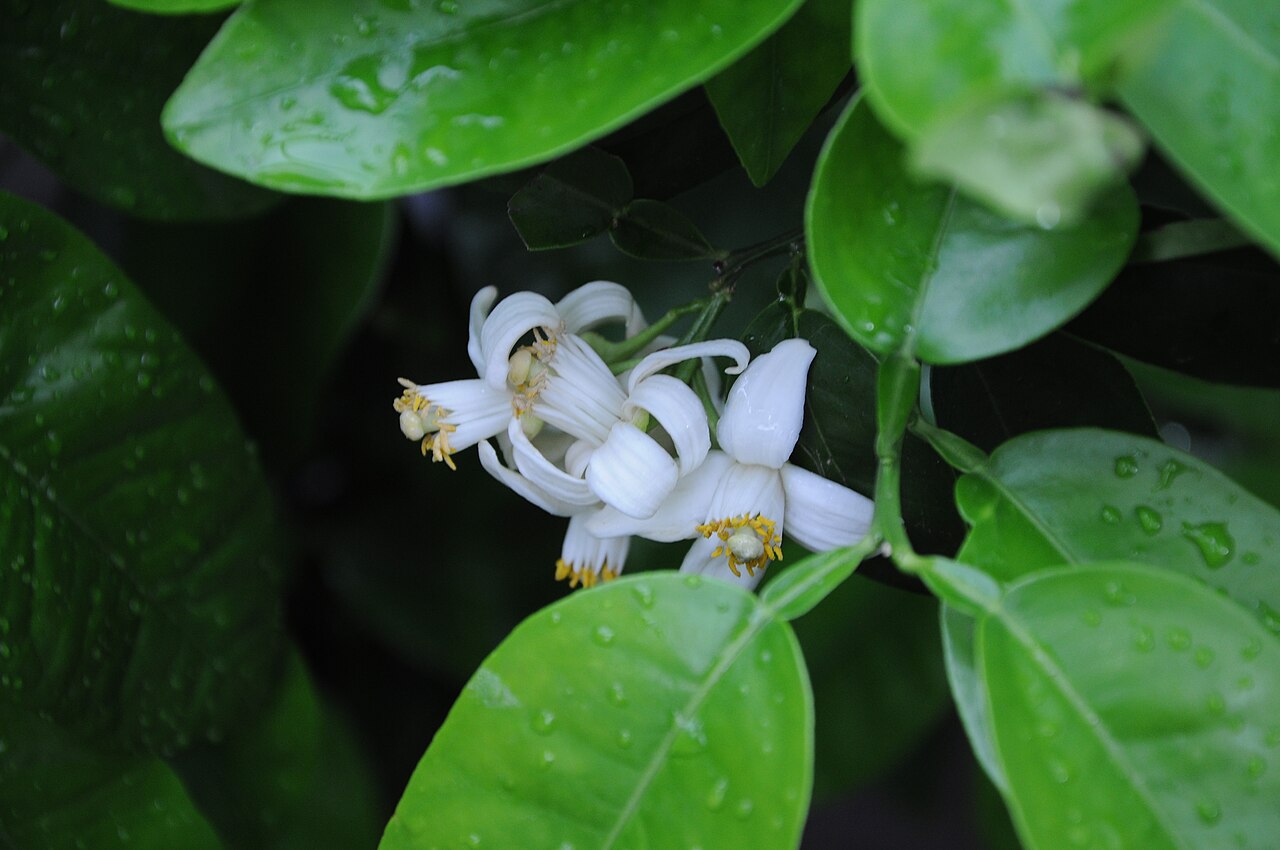
Secondary I Medium No biomass productionMedium-stratum citrus in syntropic systems. The Bosque de Niebla Guidebook lists grapefruit in the Secondary phase of the medium stratum, alongside...
-
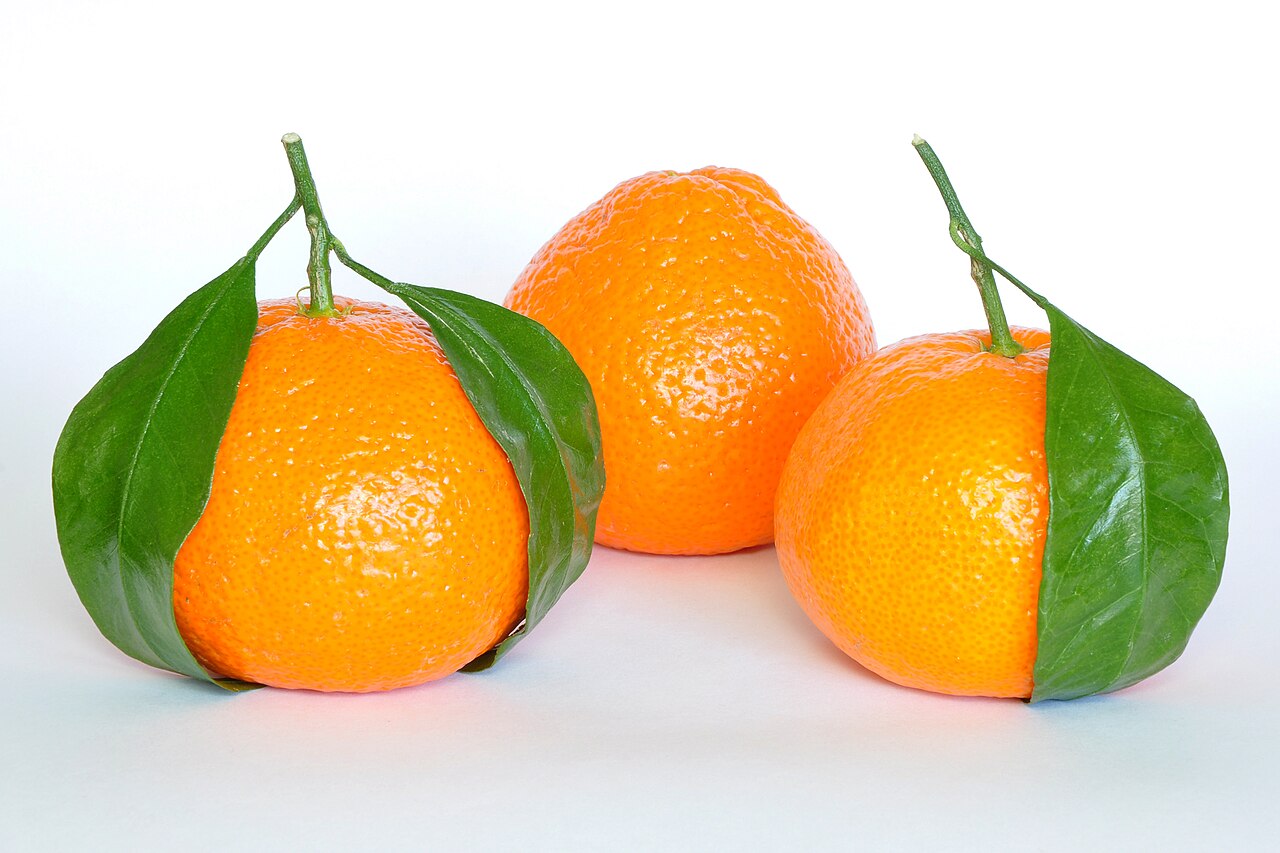
mandarin
Citrus reticulata
Secondary II Medium No biomass productionMedium-stratum citrus in syntropic systems. Pasini lists ponkan in the high stratum of Tabela 3; the Bosque de Niebla Guidebook places the mandarin...
-
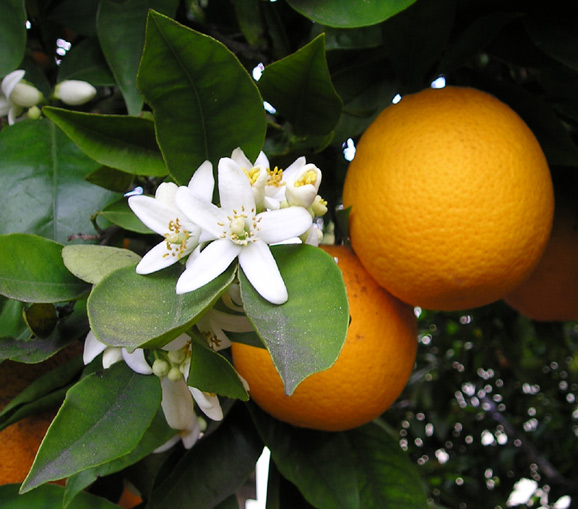
orange
Citrus × sinensis
Secondary I High No biomass productionCitrus fruit tree widely used in Brazilian agroforestry systems. Pasini lists it in the high stratum of Tabela 3 and cites it among Abundance-syste...
-
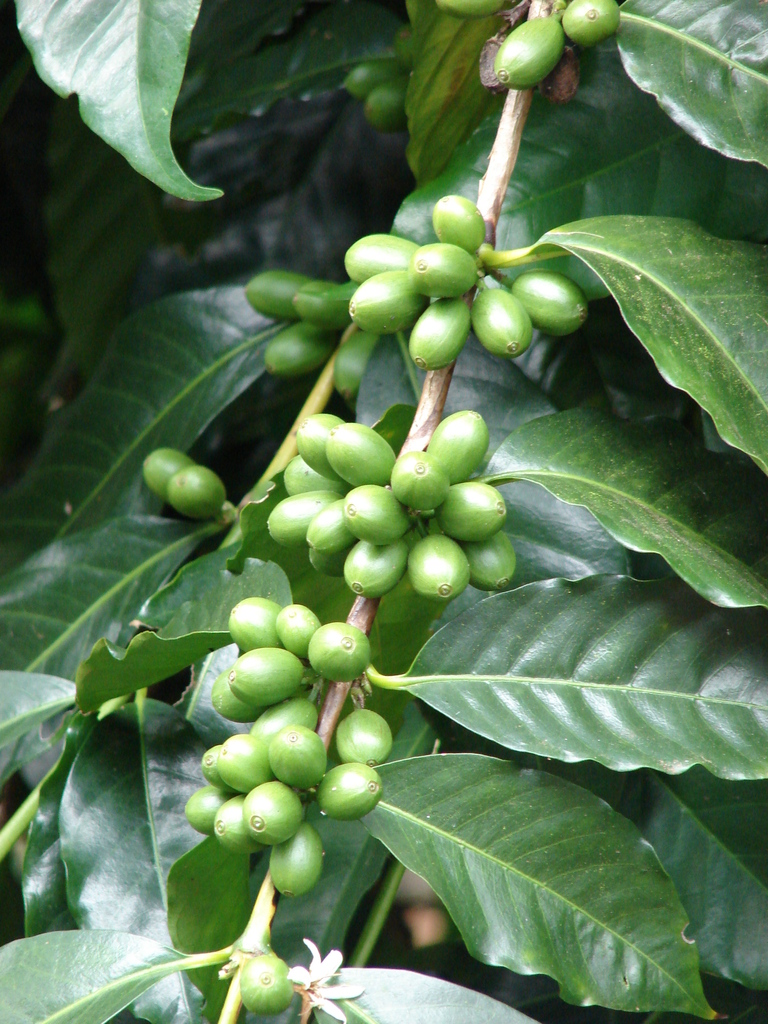
coffee
Coffea arabica
Secondary I Low No biomass productionShade-grown crop valuable in syntropic Atlantic Forest systems. Occupies the low stratum between bananas and ingás.
-
catuaí coffee
Coffea arabica
Secondary I Low No biomass productionCaturra × Mundo Novo hybrid developed by IAC. Compact dwarf architecture (1.8–2.5 m) — eases harvest and dense planting. Dominant cultivar in Brazi...
❓ Frequently asked questions
What does "Melliferous" mean in syntropic agriculture?
Species whose flowers are a major source of nectar or pollen for honey production. Strategic in systems integrated with beekeeping or stingless-bee keeping.
Which catalog species are tagged Melliferous?
The catalog holds 104 species, among them kiwifruit, siris tree, amburana. Each profile shows stratum, succession stage, and the management data, with sources cited.