
Function
Melliferous — species for syntropic systems
Melliferous species sustain bees — native and honeybees alike — and return the investment in pollination and honey. Staggered blooms feed the apiary all year.
104 species in the catalog · Refine this list in the catalog
-
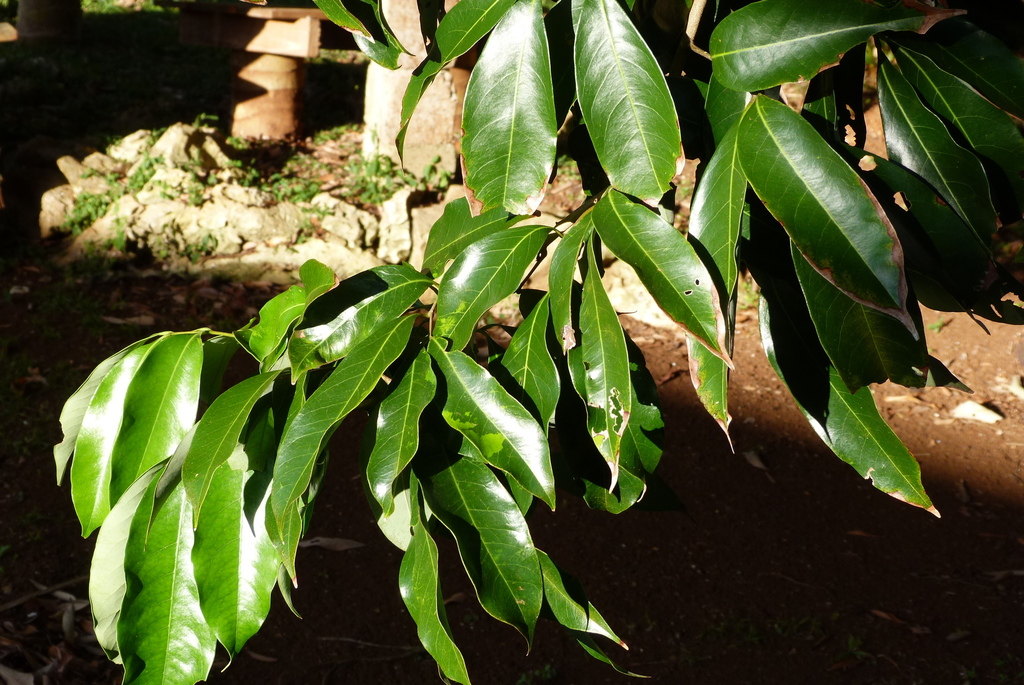
lychee
Litchi chinensis
Climax High No biomass productionAsian subtropical fruit tree naturalized in southern and southeastern Brazil. EcoAgri lists it in the high stratum of the '> 50 years' bin. Fruits ...
-
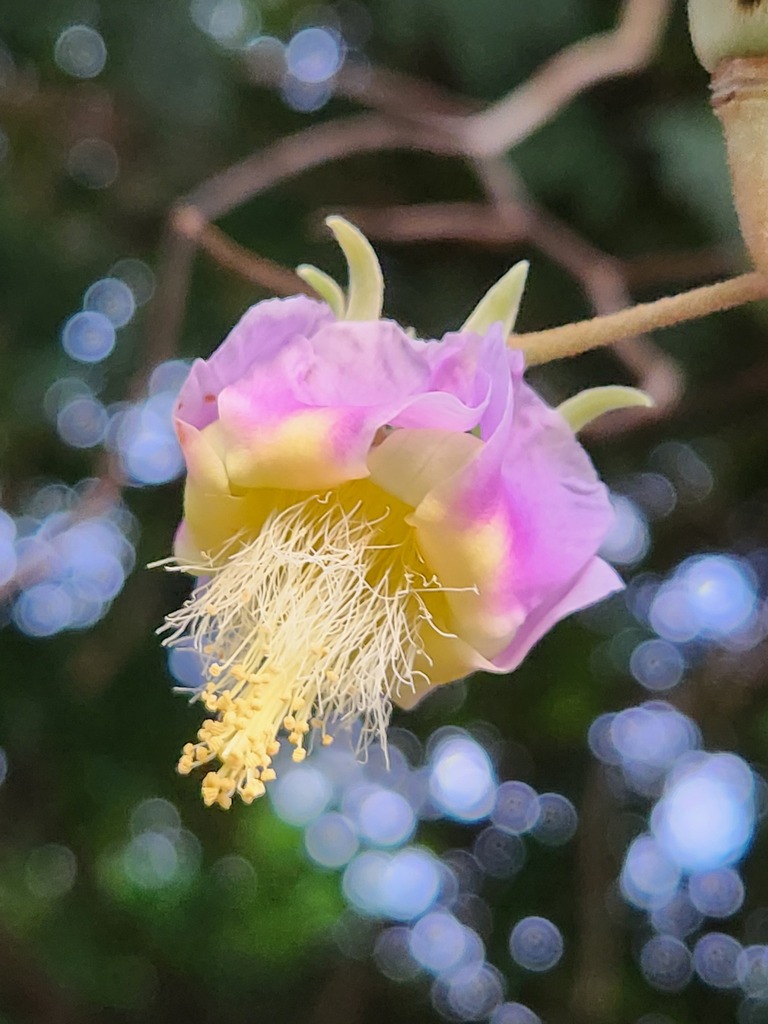
açoita-cavalo
Luehea divaricata
Secondary II High Mulch biomassSemi-deciduous native tree of southern Brazil, typical of riparian forests and secondary growth. A forestry species of the Embrapa Vitrine SAF, pla...
-
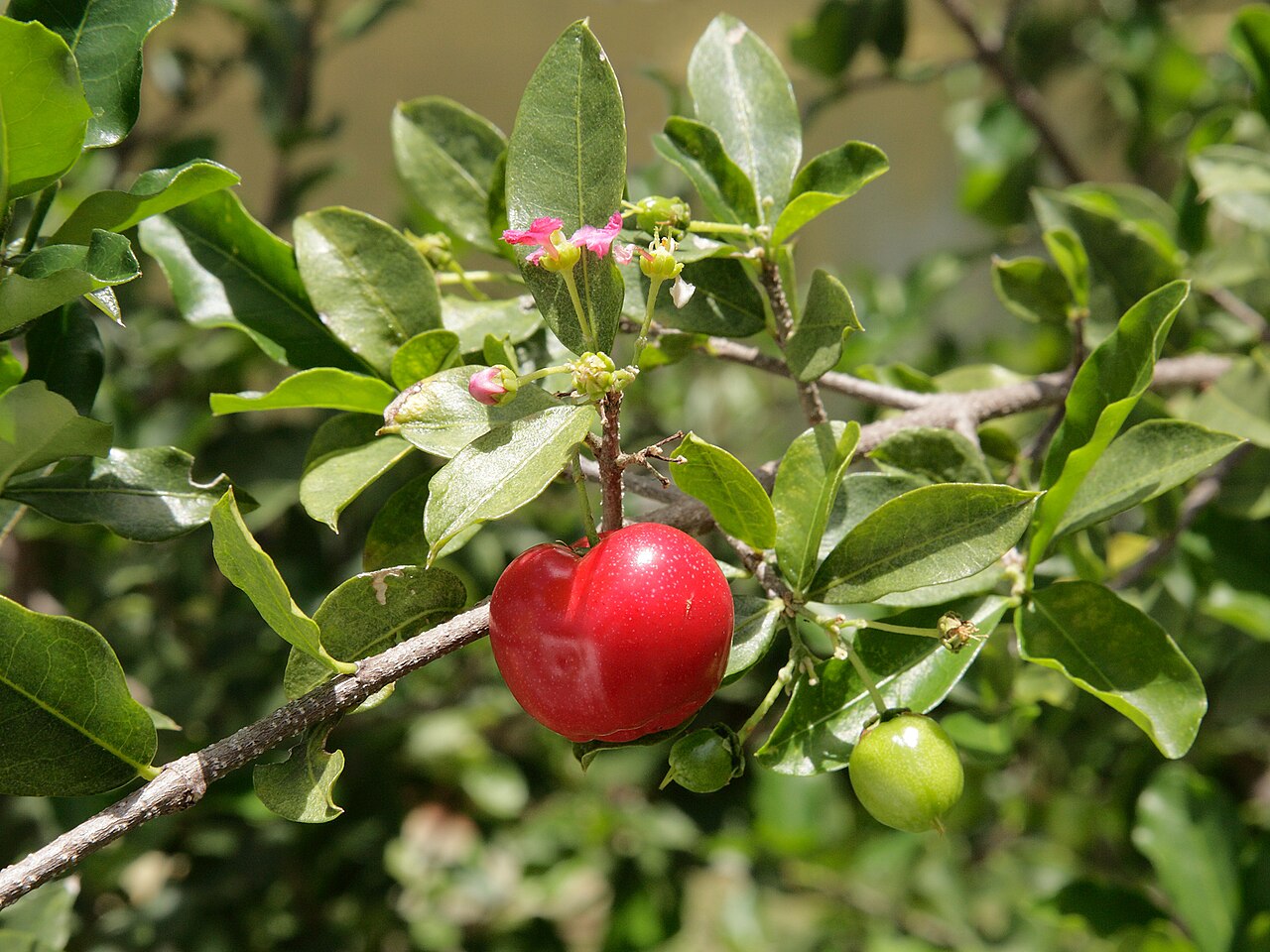
acerola
Malpighia emarginata
Secondary I High No biomass productionSmall fruit shrub; fruits exceptionally rich in vitamin C. Pasini lists it in the high stratum of Tabela 3 and cites it among Abundance-system spec...
-
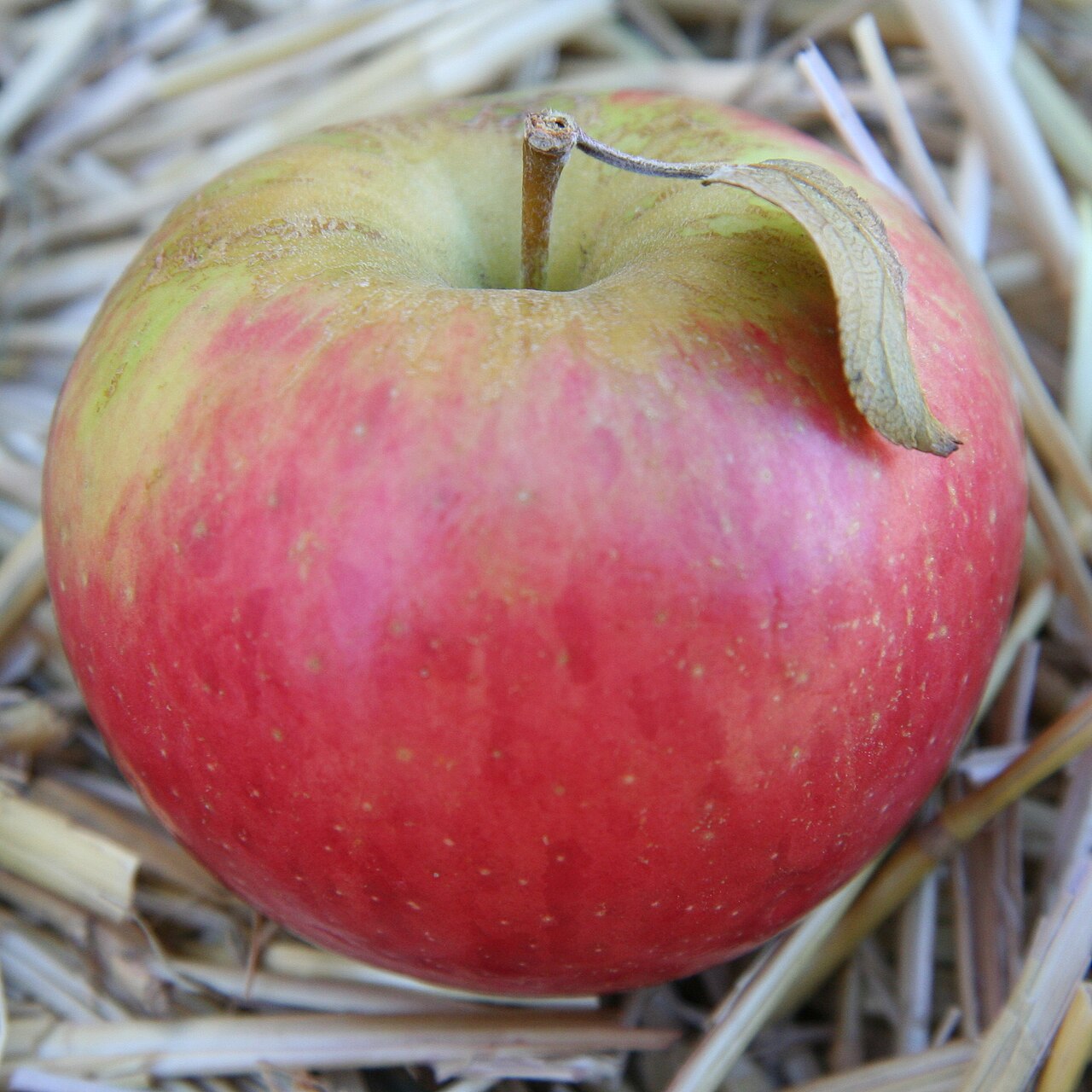
apple
Malus domestica
Secondary II Medium No biomass productionThe apple, a deciduous temperate fruit tree and the leading commercial orchard fruit of southern Brazil, concentrated around São Joaquim (SC) and V...
-
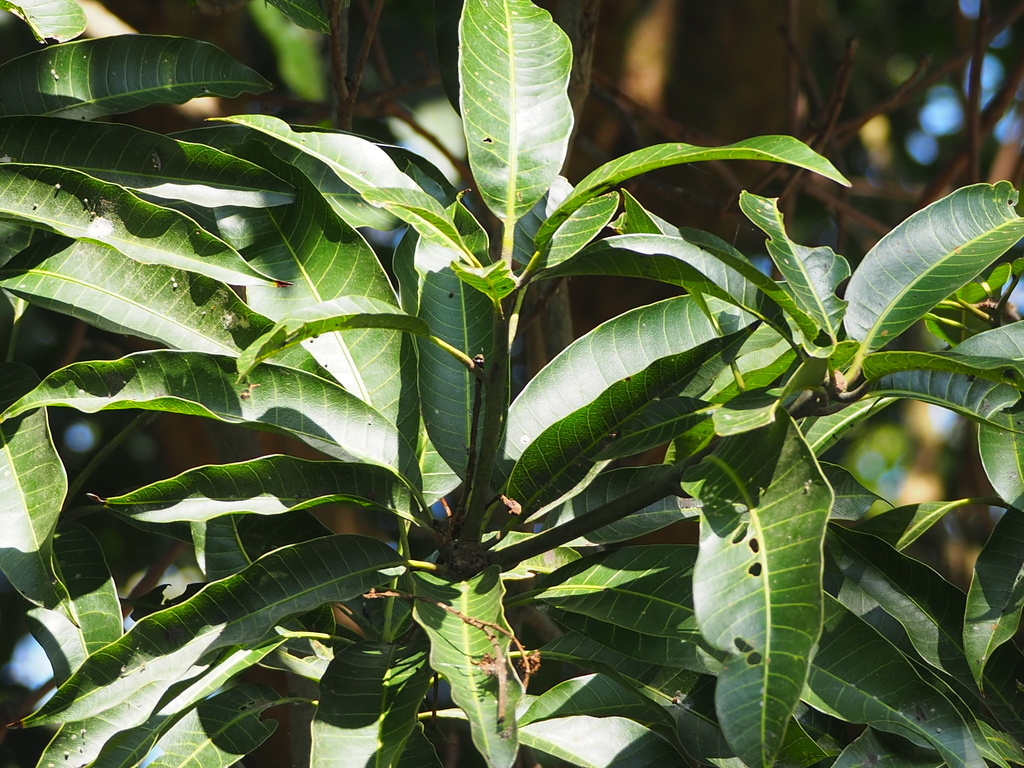
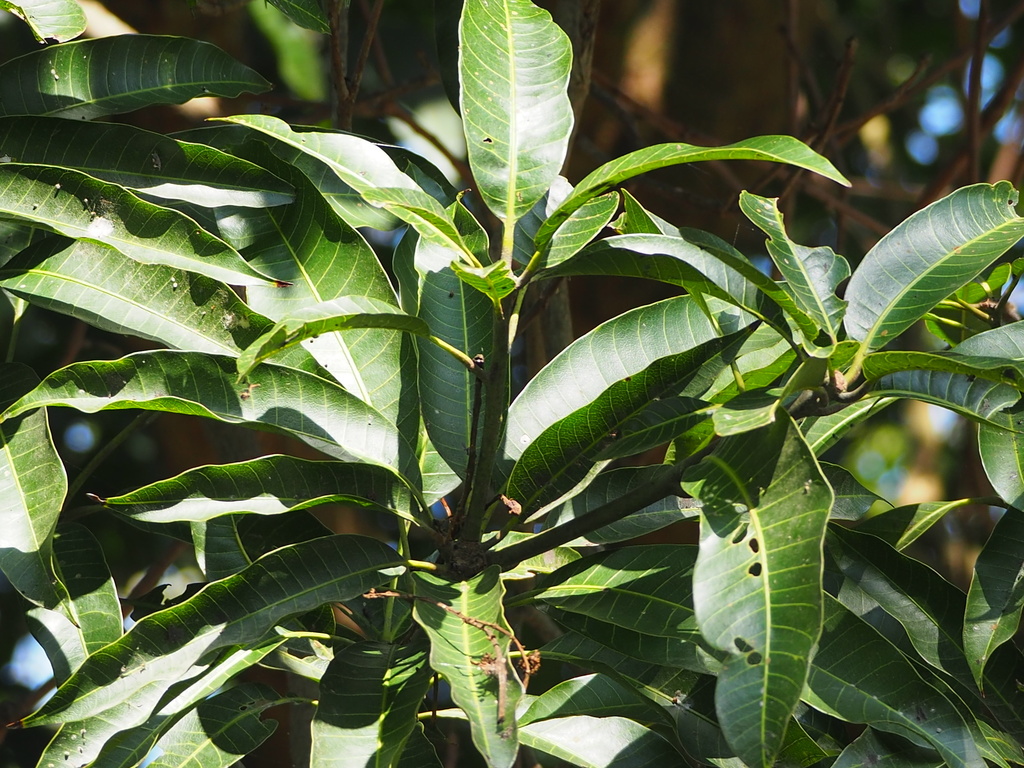
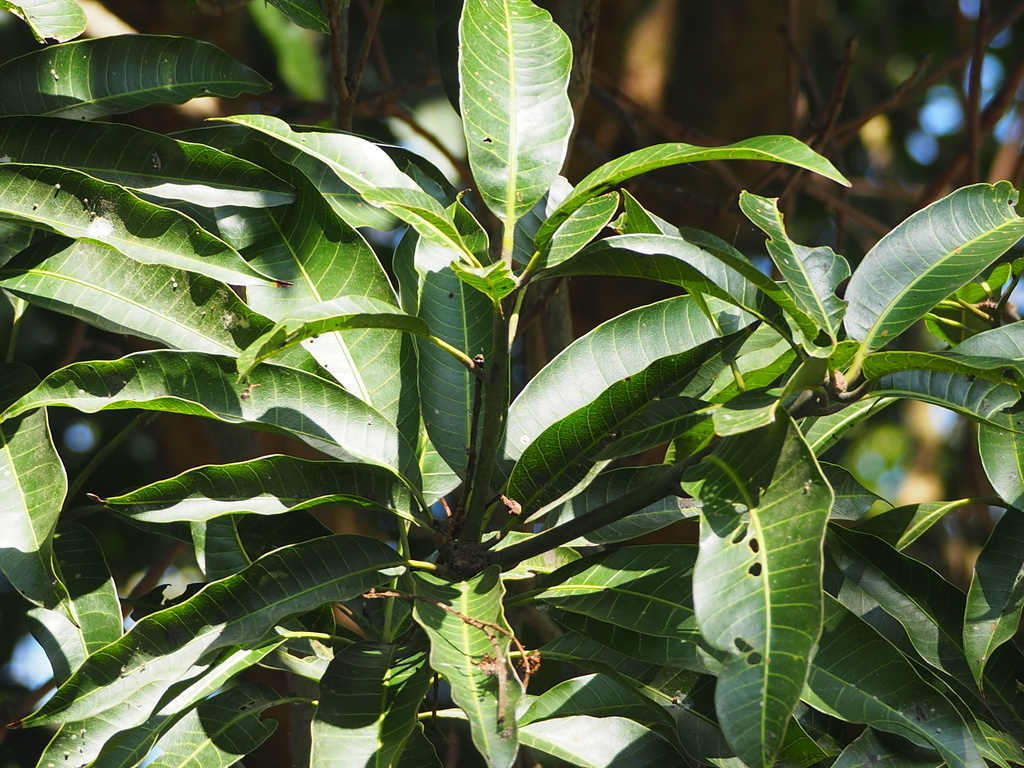
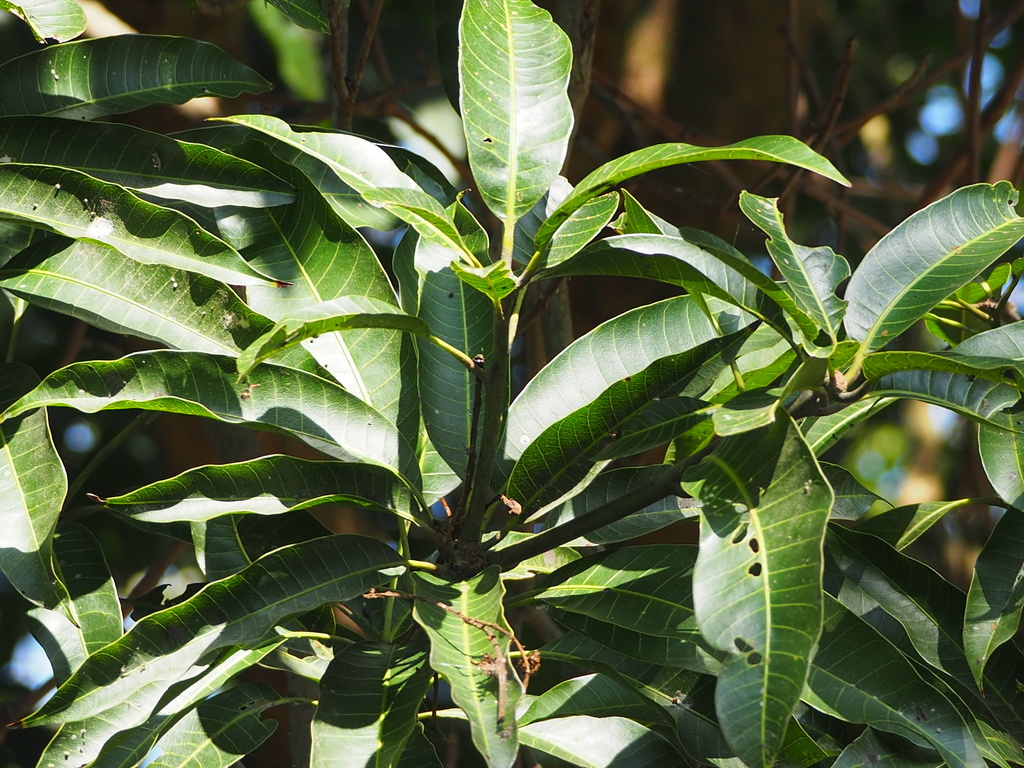
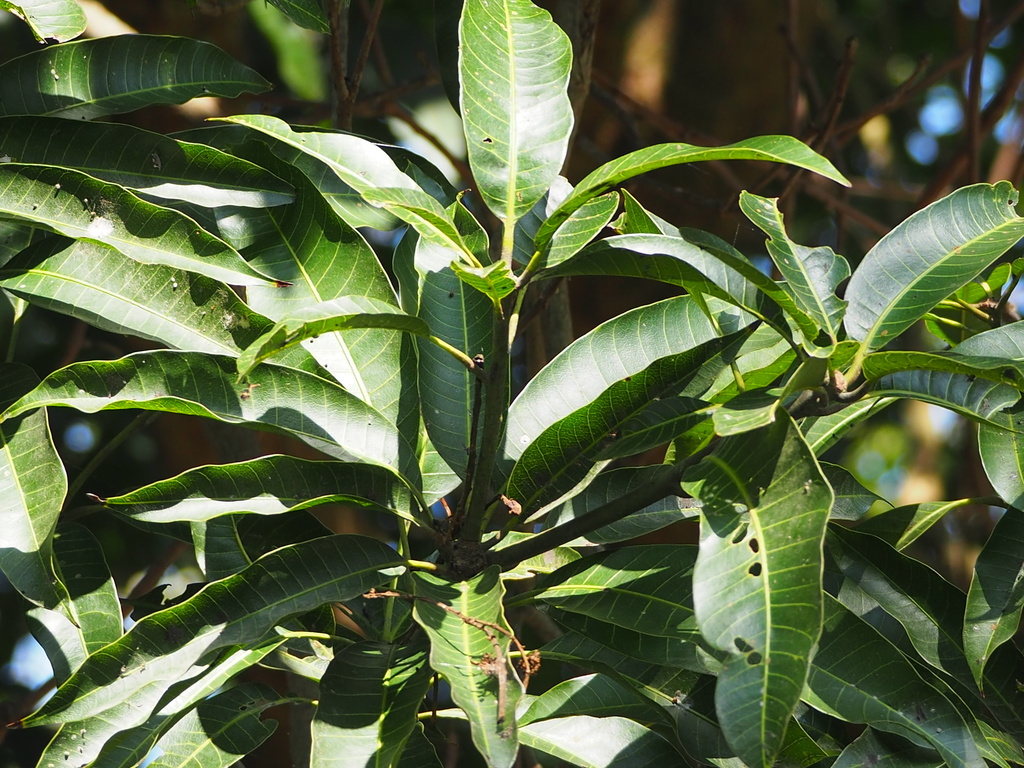
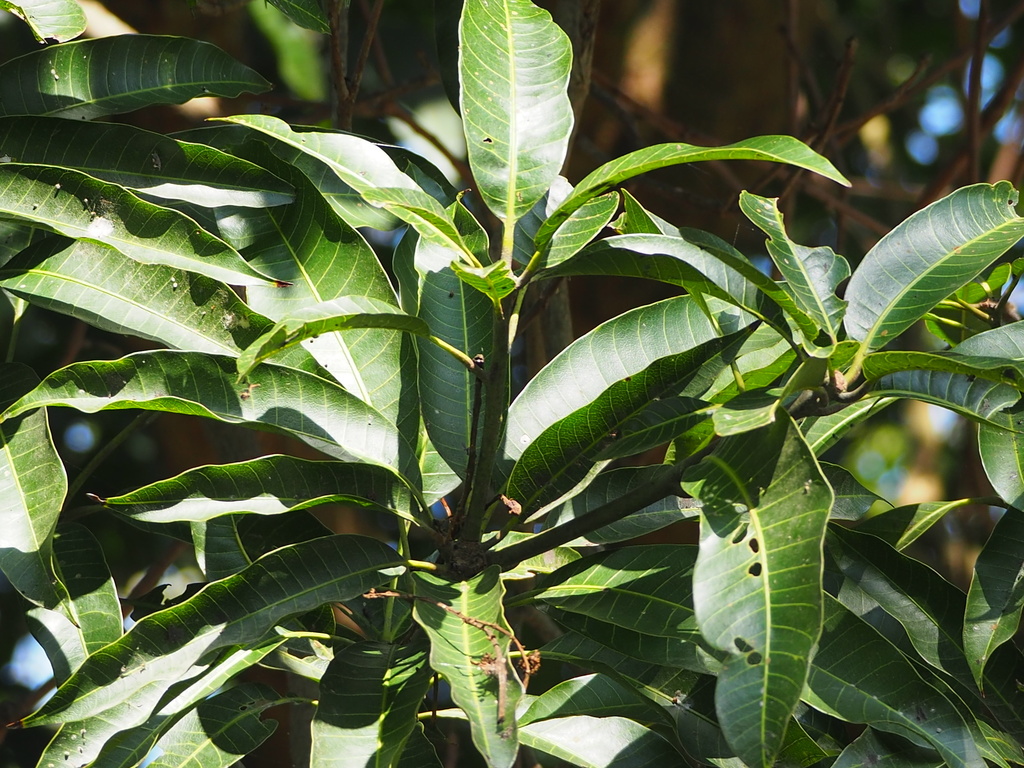
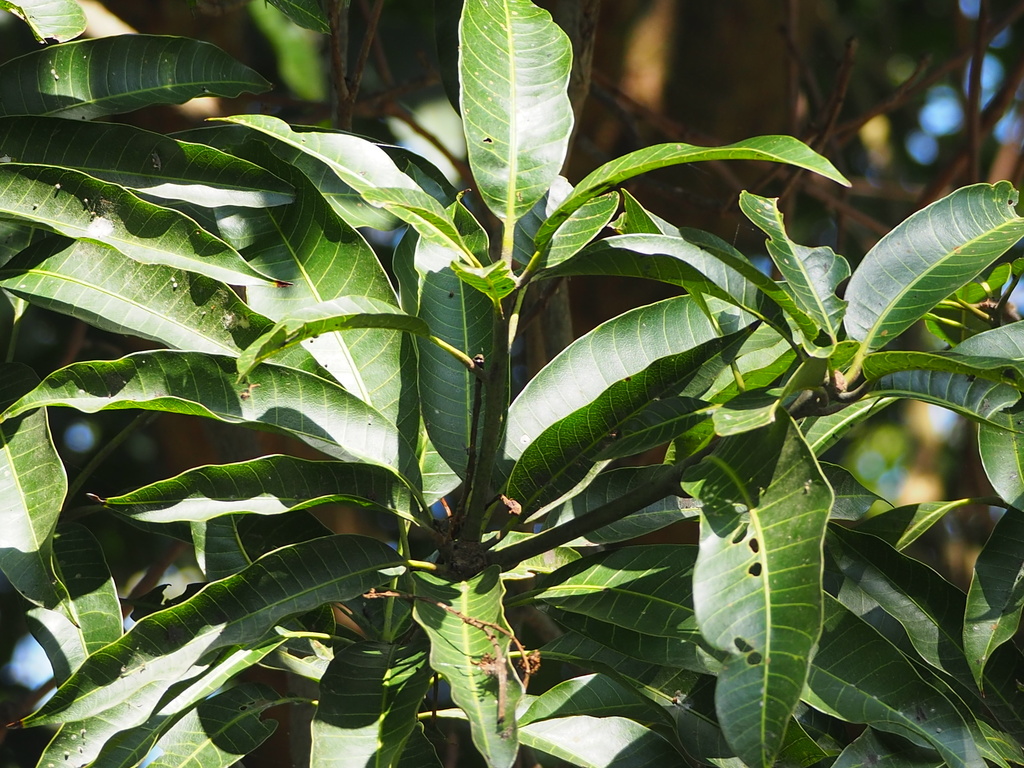
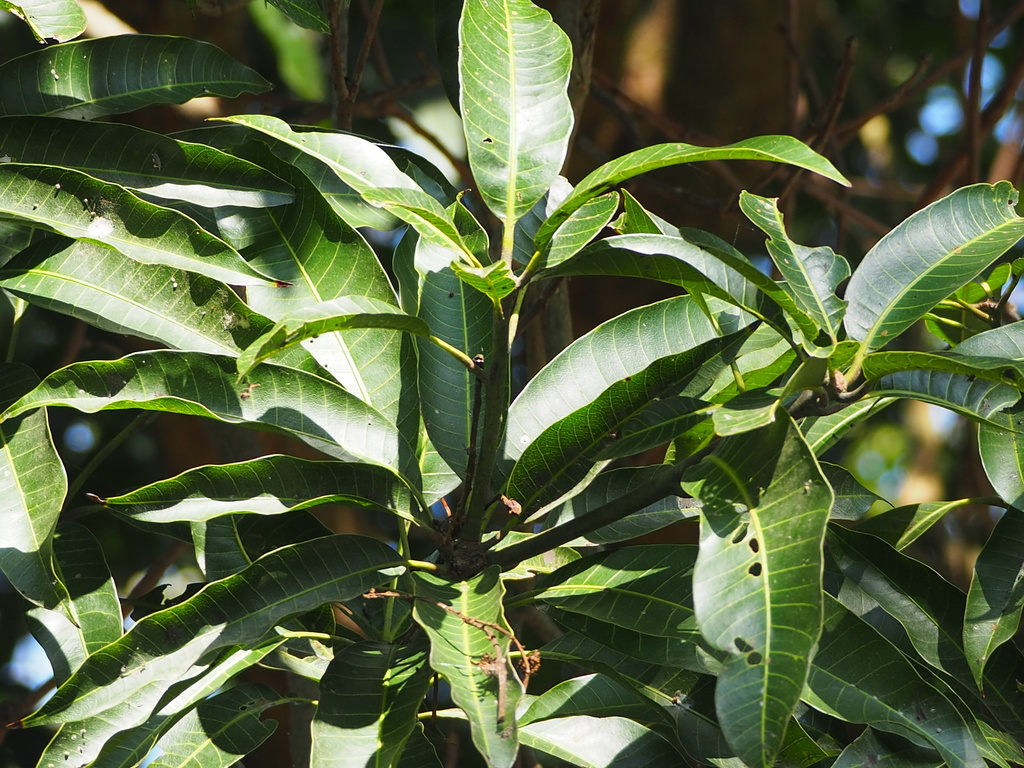
mango
Mangifera indica
Secondary II High No biomass productionLong-lived tropical fruit tree. Pasini lists it in the high stratum of Tabela 3 and in the '20 to 50 years' phase of Tabela 4 (high stratum). A key...
-
palmer mango
Mangifera indica
Secondary II High No biomass productionSemi-dwarf cultivar from Florida (1945). Open canopy, 6–8 m. Elongated fruit, 600–800 g, firm yellow flesh, 21.6° Brix, almost fiber-free. Late rip...
-
uba mango
Mangifera indica
Secondary II High Mulch biomassBrazilian cultivar originating in Ubá (Minas Gerais). Vigorous tree with dense rounded canopy (10–14 m). Small fruit (50–80 g), late ripening, inte...
-
rosa mango
Mangifera indica
Secondary II High No biomass productionTraditional Brazilian cultivar with medium tree (8–10 m). Yellow-to-pink fruit (350 g), golden-yellow flesh of excellent flavor (21.8° Brix), low f...
-
tommy atkins mango
Mangifera indica
Secondary II High No biomass productionDominant cultivar in Brazil's mango export trade (~90% of volume). Origin: Florida (1922). Vigorous tree (10–14 m unpruned), dense rounded canopy. ...
-
espada mango
Mangifera indica
Secondary II Emergent Mulch biomassBrazil's oldest mango cultivar. Vigorous tall tree (12–15 m), green-to-yellow fruit with fibrous flesh (300 g, 18° Brix). Today used more as rootst...
-
coquinho mango
Mangifera indica
Secondary II High No biomass productionMedium-sized cultivar (6–9 m), branched canopy. Small round fruit (120–150 g), light yellow-green skin, fibrous flesh with good flavor. Highly prod...
-
haden mango
Mangifera indica
Secondary II High No biomass productionFlorida heirloom (1910), pioneer of the modern mango era. Large tree (10–12 m), predominantly yellow oval fruit with pink blush, 350–680 g, low fib...
-
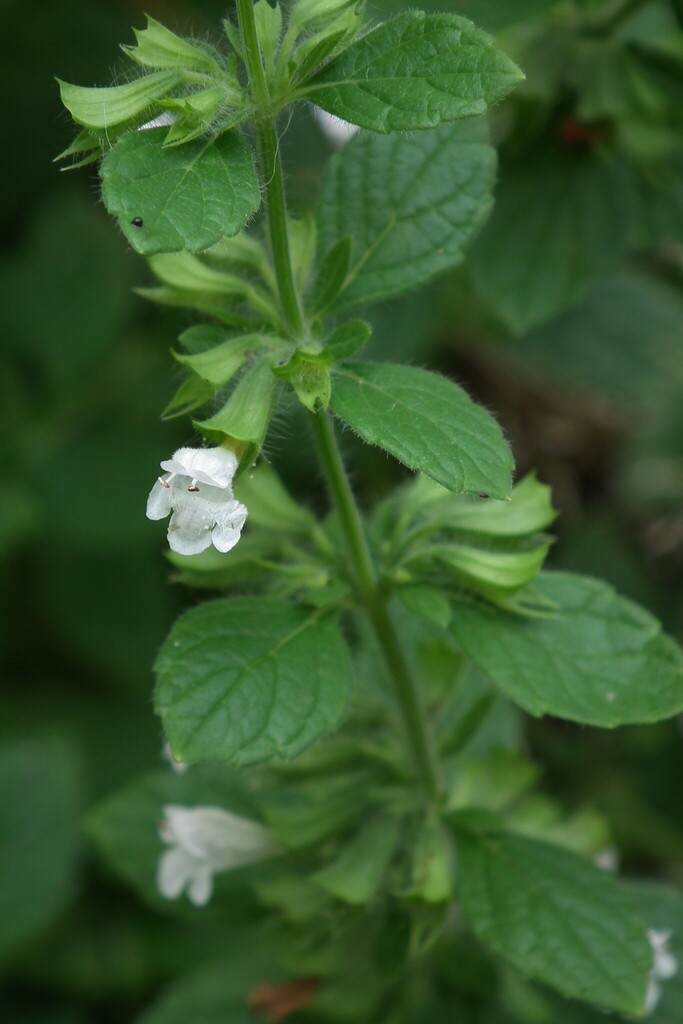
lemon balm
Melissa officinalis
Placenta I Low No biomass productionPerennial herb (40–80 cm), light-green strongly lemon-scented leaves. Tolerates partial shade — fills shaded niches where rosemary and thyme don't ...
-
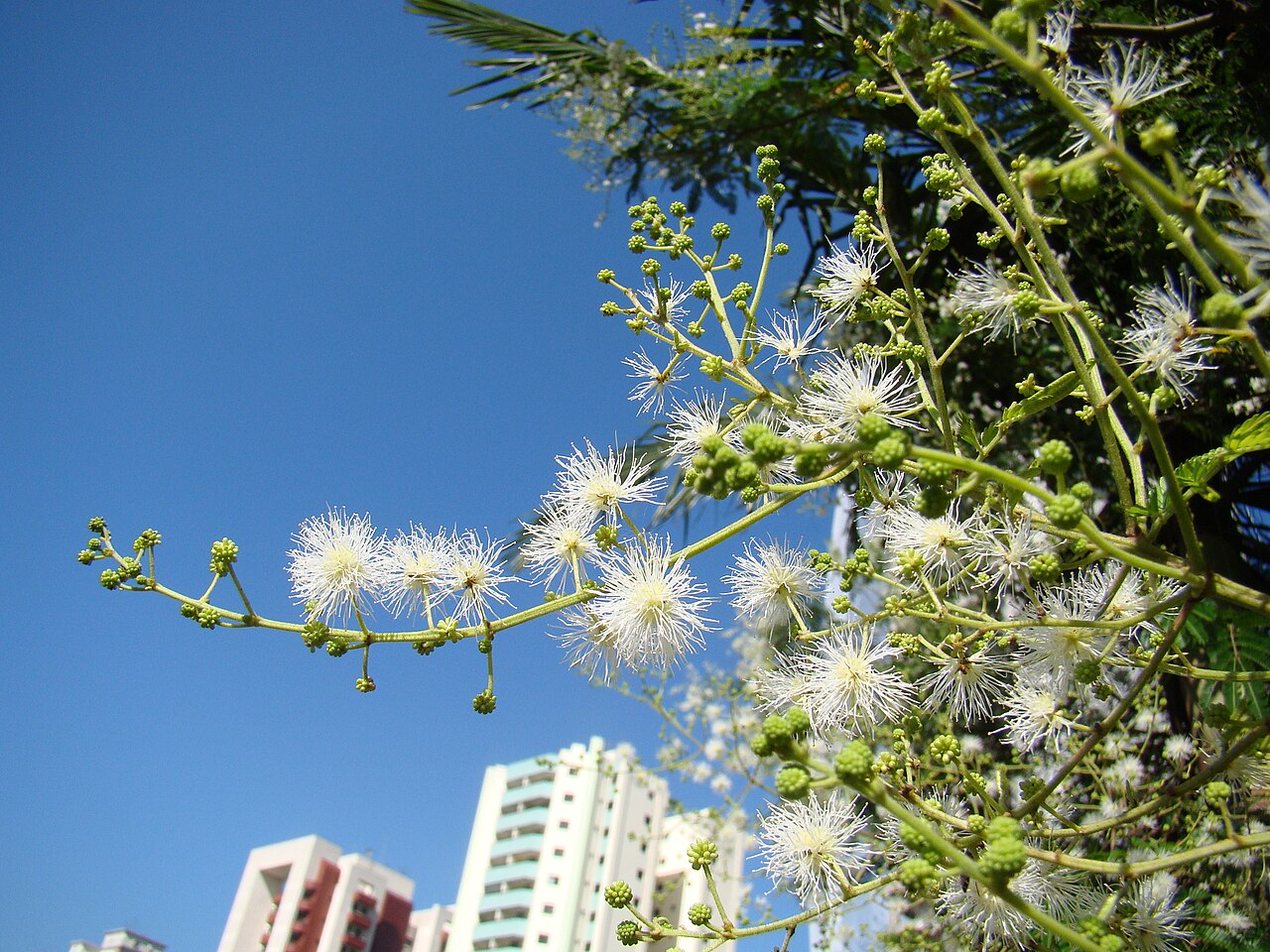
maricá
Mimosa bimucronata
Placenta II Medium Fertilizer biomass 🌱 Nitrogen fixerA pioneer leguminous tree or small tree, spiny and much-branched, 4-8 m tall (occasionally to 15 m), native to eastern and southern Brazil. It fixe...
-
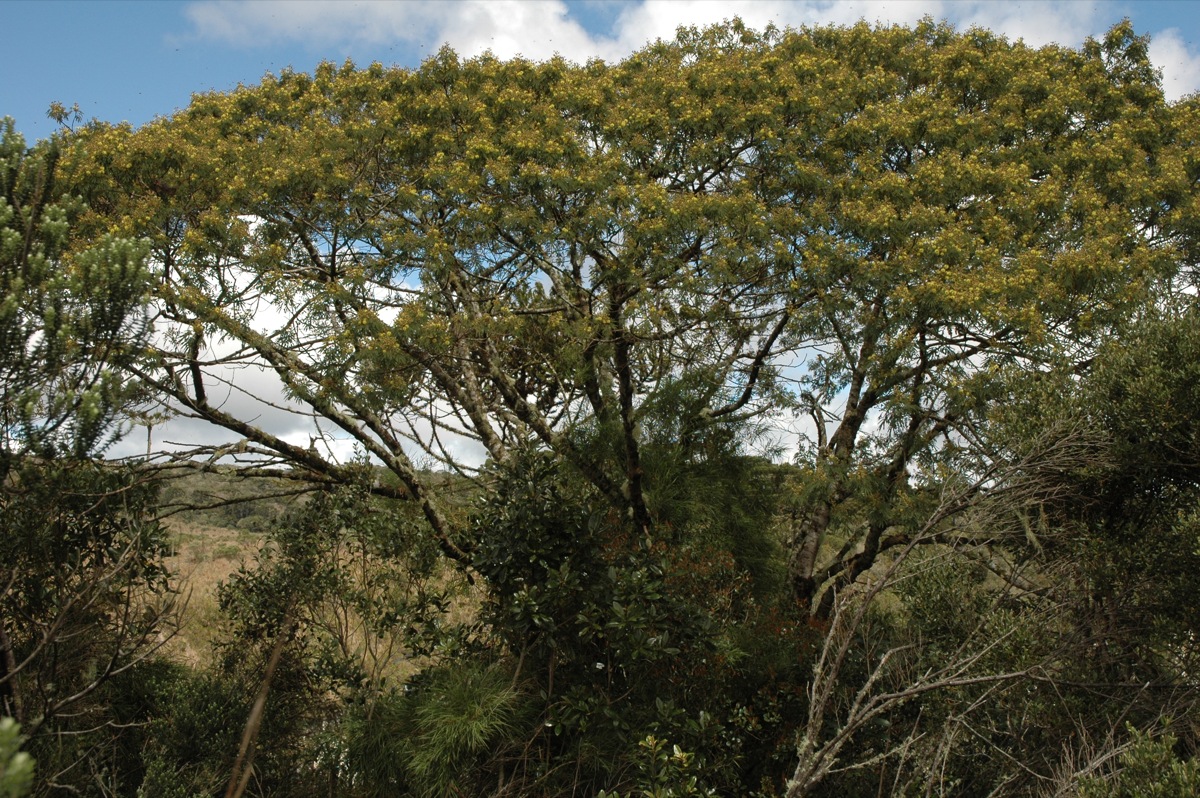
bracatinga
Mimosa scabrella
Secondary I High Fertilizer biomass 🌱 Nitrogen fixerPioneer legume native to southern Brazil and highland Atlantic Forest, listed by IPOEMA among anchor Brazilian species for SAFs (alongside cacao, y...
-
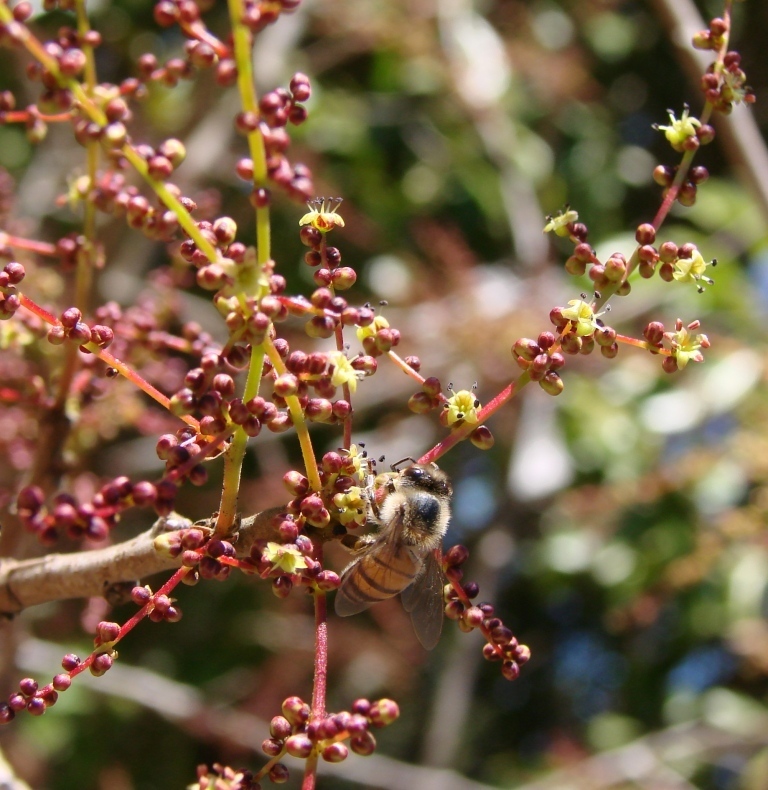
urundeuva
Myracrodruon urundeuva
Climax HighTree with extremely dense, durable hardwood; once dominant in the Caatinga but now threatened by overexploitation. Occurs in Caatinga, Cerrado and ...
-
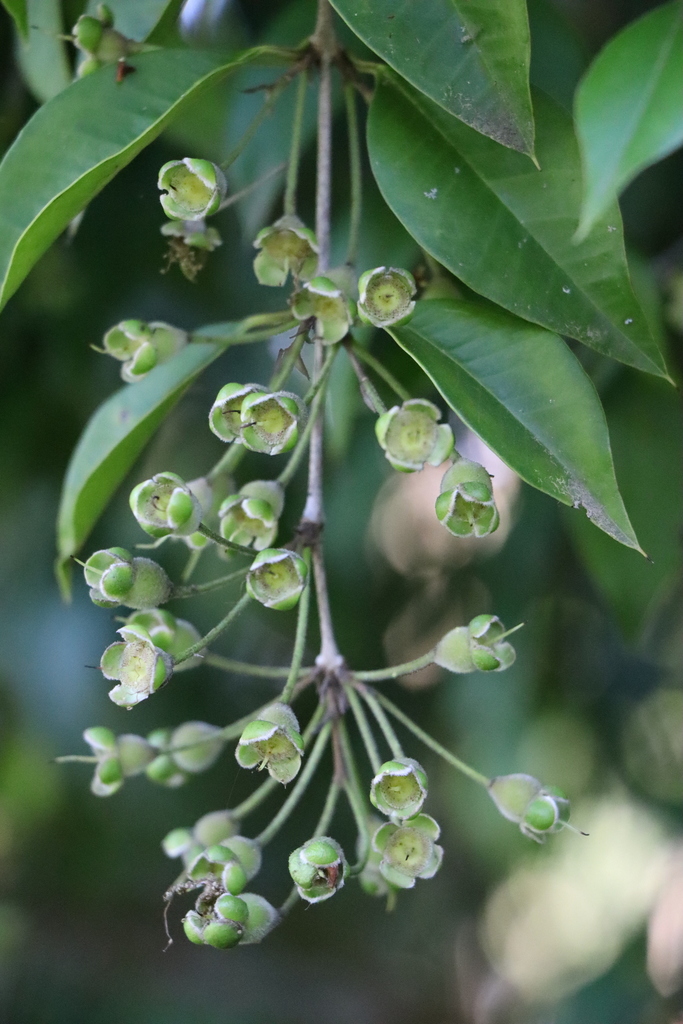
guabiju
Myrcianthes pungens
Secondary II High Mulch biomassNative tree of the Pampa, southern Atlantic Forest, and southern Minas Gerais. 8–15 m, dense canopy. Dark-red to purple fruit, sweet delicately fla...
-
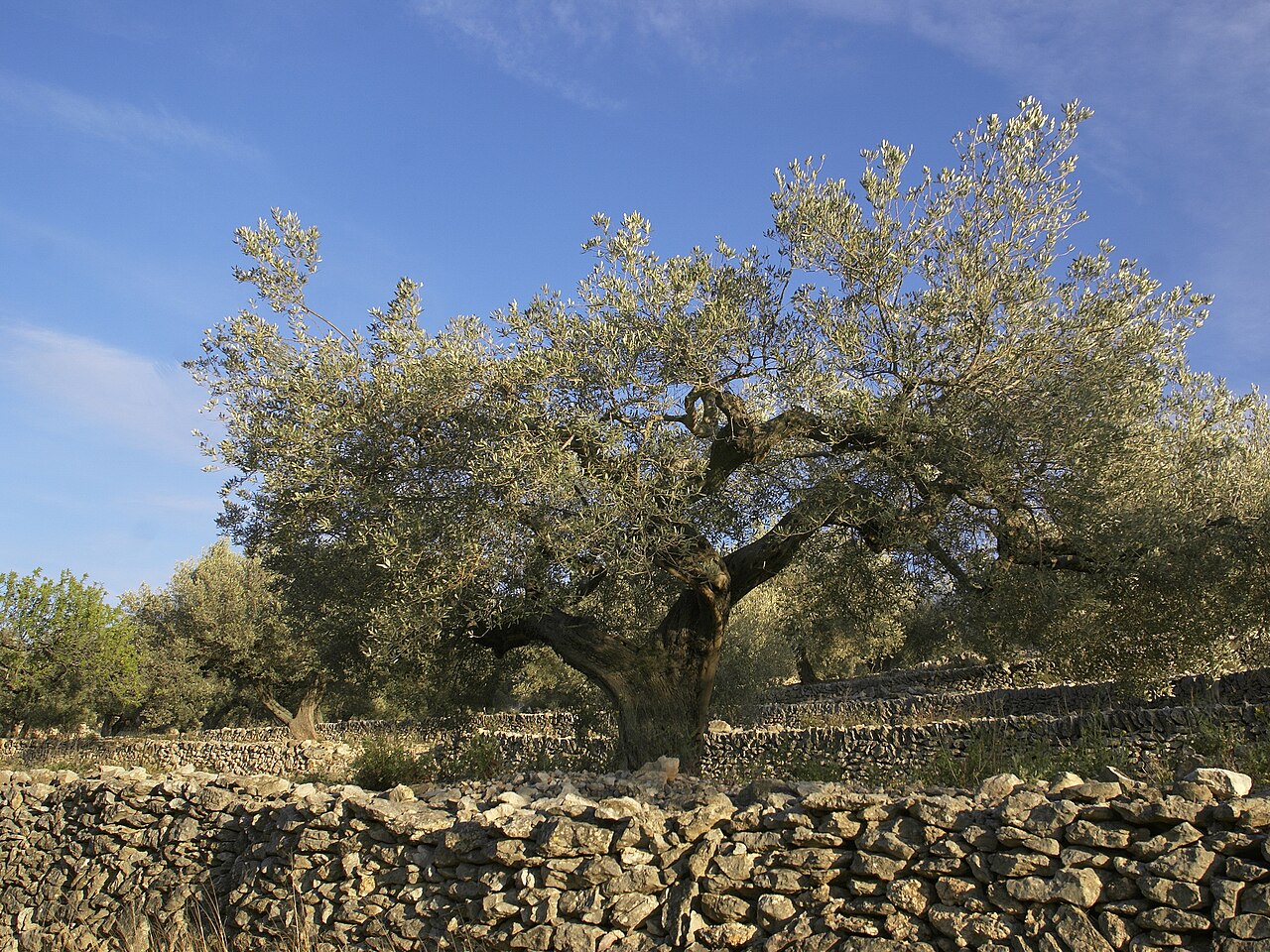
olive
Olea europaea
Secondary II Medium No biomass productionOlive, a long-lived evergreen tree of the Oleaceae family, exotic to Brazil and grown in temperate and subtropical regions, notably the Mantiqueira...
-
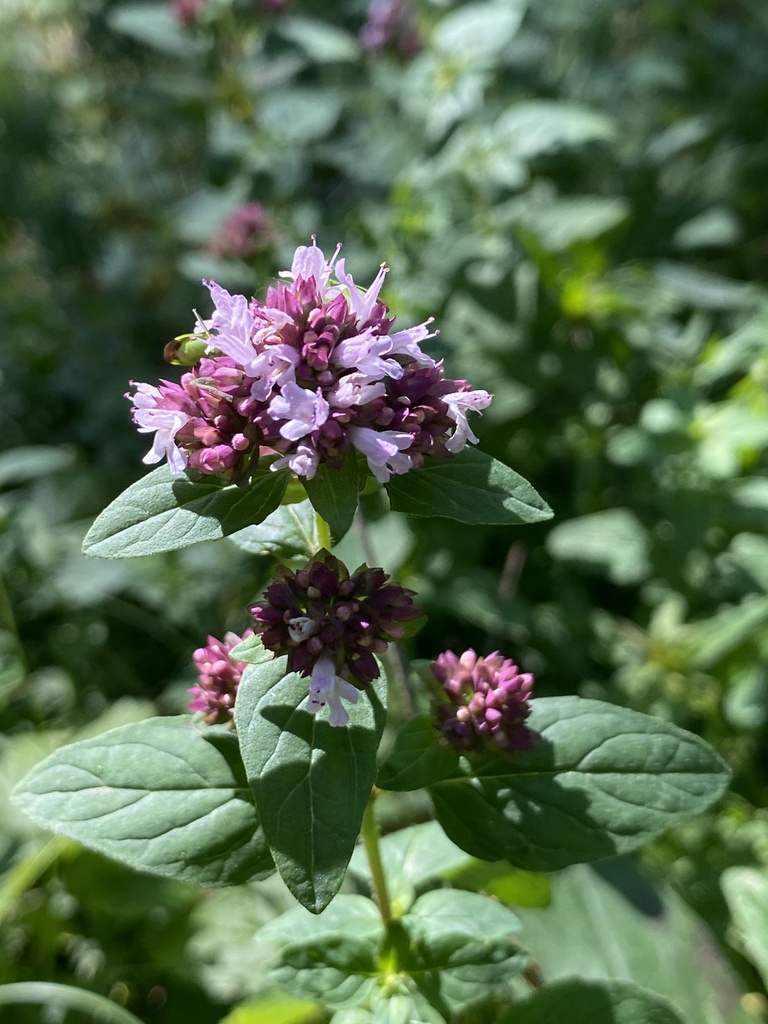
oregano
Origanum vulgare
Placenta I Ground cover No biomass productionPerennial Mediterranean herb (20–60 cm), small aromatic leaves. In southeastern and southern Brazilian syntropic systems used as permanent cover be...
-
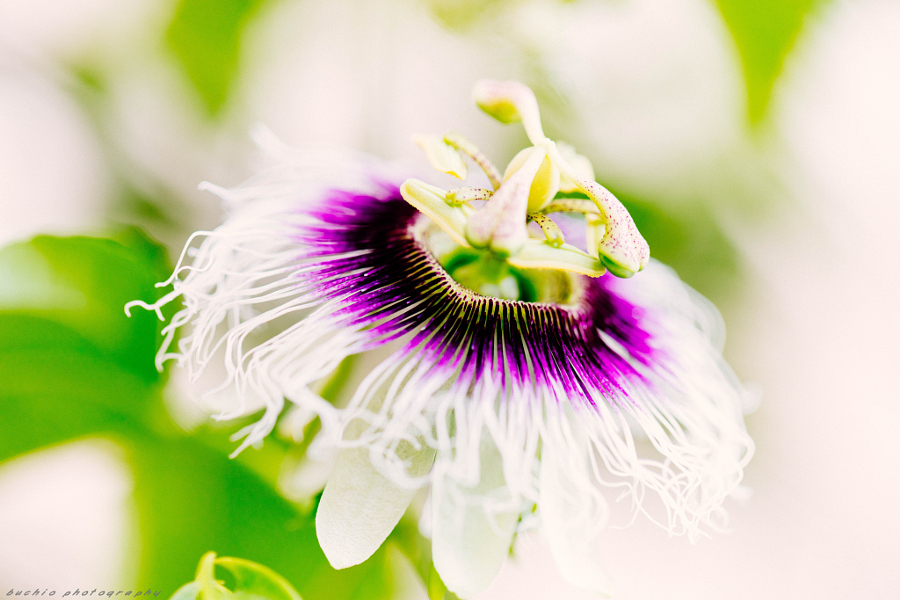
passion fruit
Passiflora edulis
Placenta II High No biomass productionBrazilian-native woody fruiting climber. Pasini lists it in the high stratum of Tabela 3 (grows over high-stratum structures). Fruits in ~9–12 mont...
-
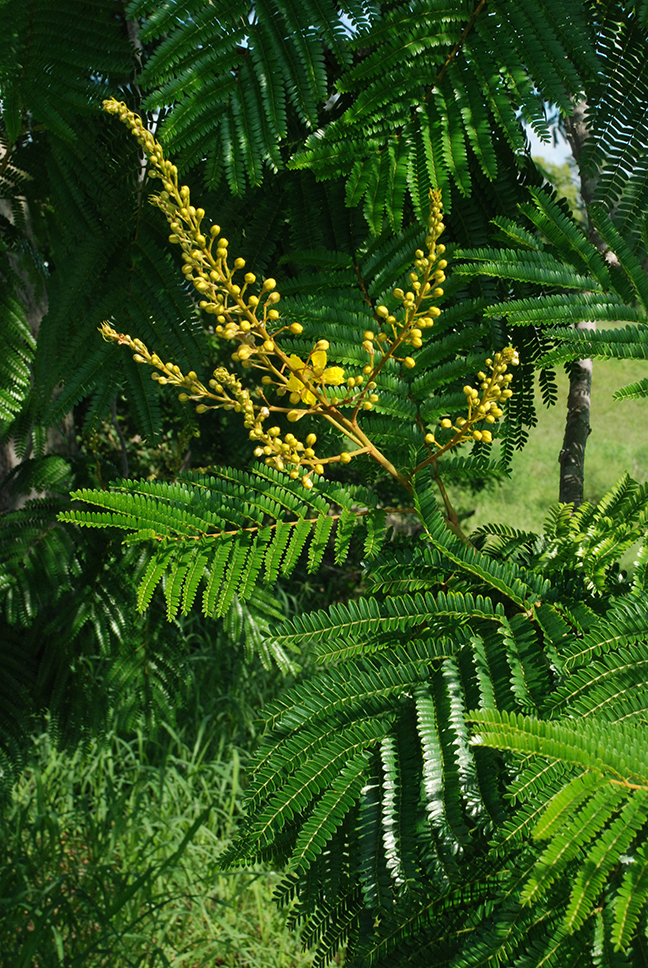
yellow poinciana
Peltophorum dubium
Secondary I High Fertilizer biomassPioneer heliophyte legume with fast growth. 10–20 m, occasionally 40 m at maturity. Occurs in Cerrado and Atlantic Forest, transition zones and rip...
-
margarida avocado
Persea americana
Secondary II Emergent No biomass productionLate-ripening cultivar with very large fruit (700–1,500 g, up to 2 kg), pyriform, light yellow flesh of good quality. Tall tree (12–15 m). West-Ind...
-
quintal avocado
Persea americana
Secondary II Emergent No biomass productionWest Indian Brazilian cultivar, mid-season ripening. Large fruit (>600 g, up to 1.2 kg), pyriform, with prized 'butter' flesh in the domestic marke...
-
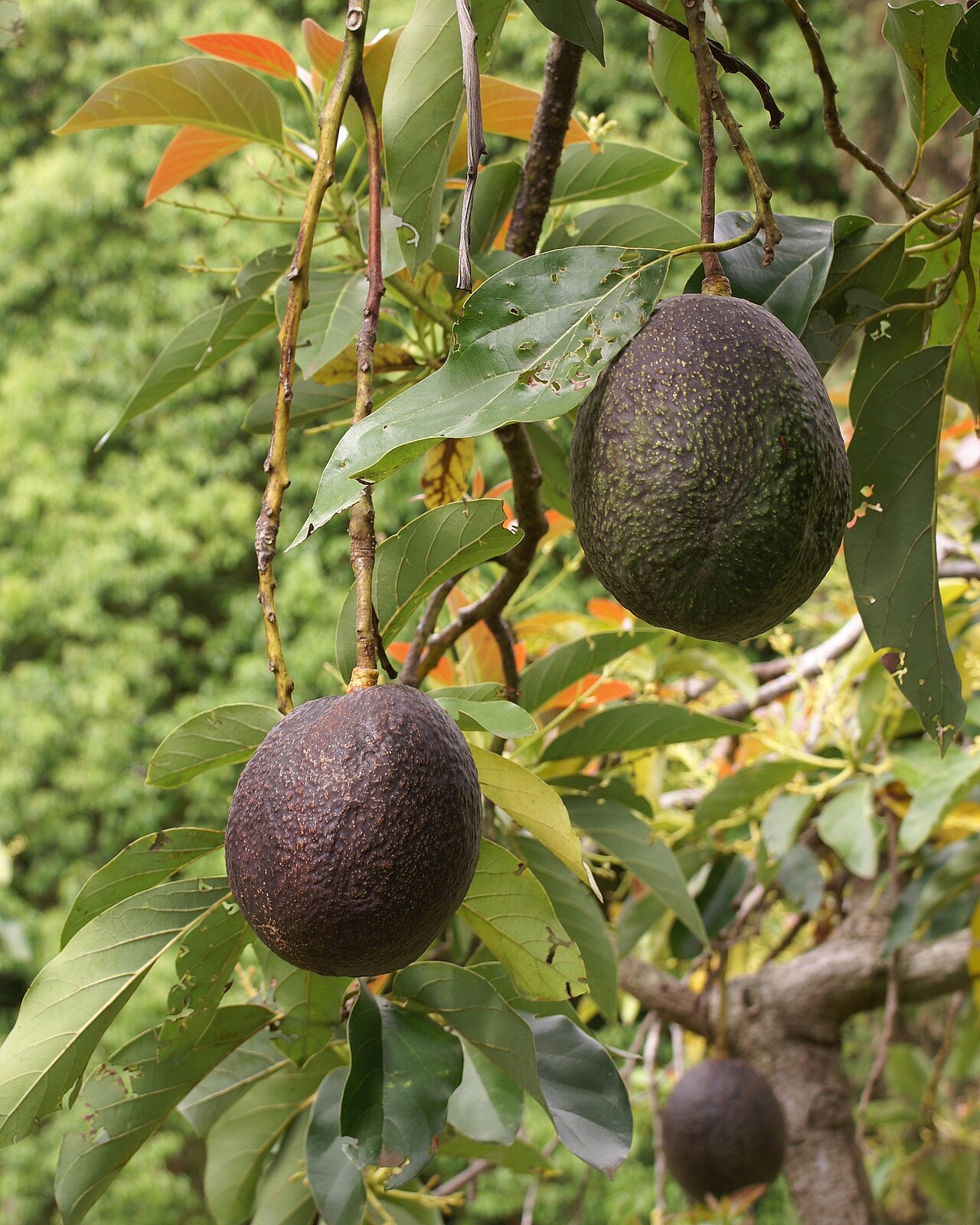
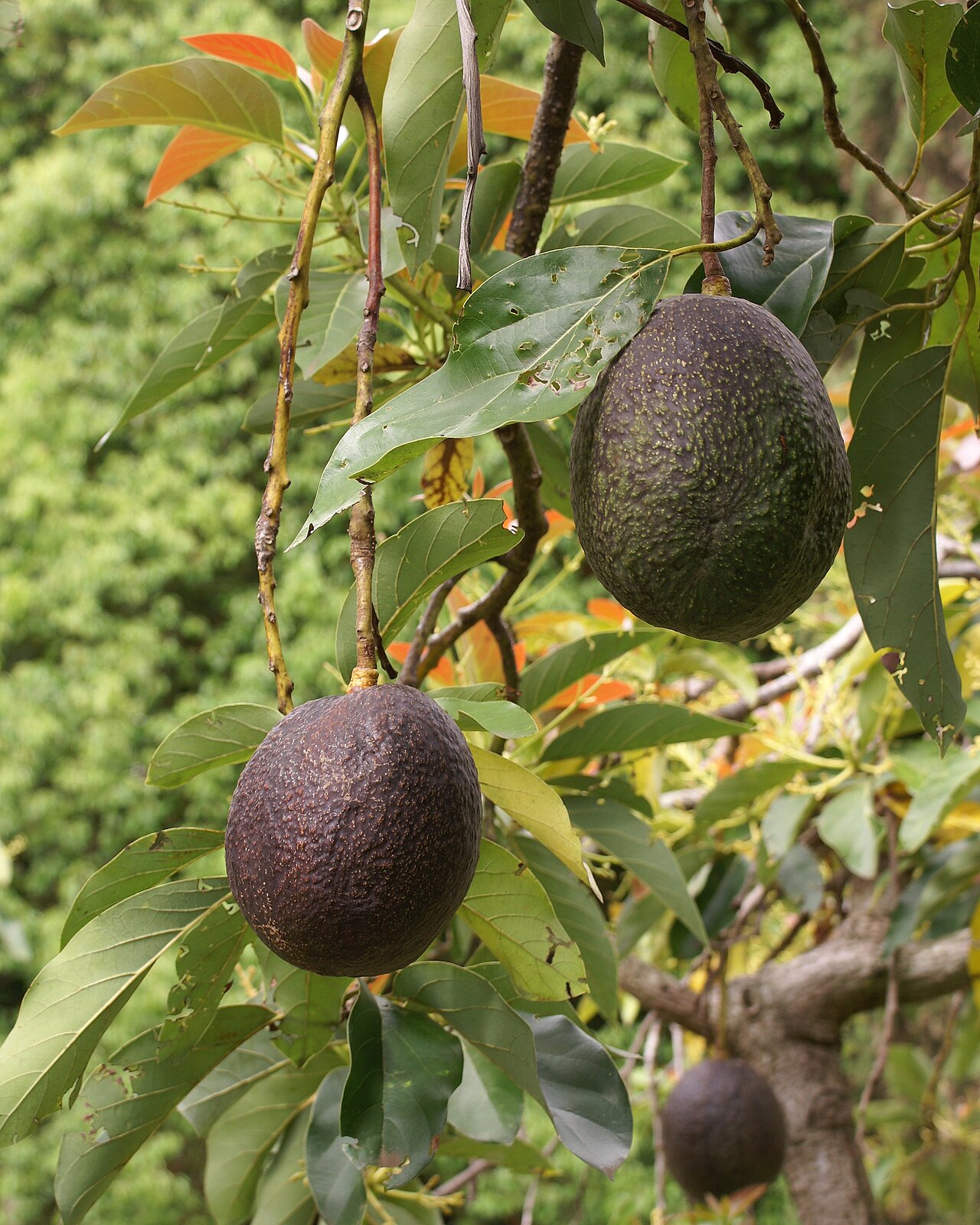
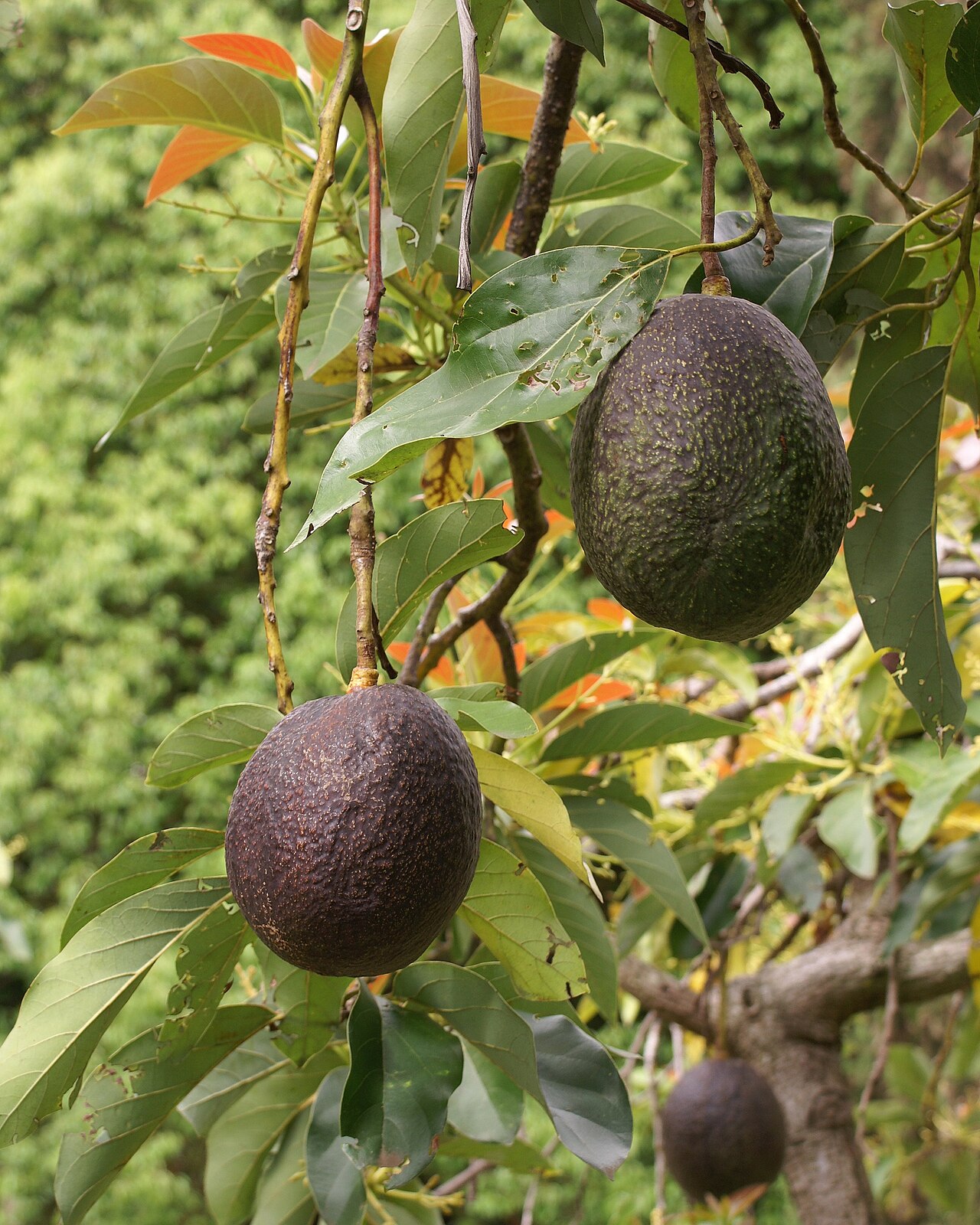
hass avocado
Persea americana
Secondary II High No biomass productionMexican-Guatemalan cultivar (~80% Mexican), floral type A. Small-to-medium fruit (180–300 g), pebbly skin that darkens at ripeness, creamy flesh wi...
❓ Frequently asked questions
What does "Melliferous" mean in syntropic agriculture?
Species whose flowers are a major source of nectar or pollen for honey production. Strategic in systems integrated with beekeeping or stingless-bee keeping.
Which catalog species are tagged Melliferous?
The catalog holds 104 species, among them lychee, açoita-cavalo, acerola. Each profile shows stratum, succession stage, and the management data, with sources cited.