
Function
Biomass producer — species for syntropic systems
Biomass producers are the system's engine: fast growth, hard pruning, and all of it becomes the organic matter that covers the soil and feeds succession. Giant grasses, bananas, and cut-and-carry legumes are the classics.
95 species in the catalog · Refine this list in the catalog
-
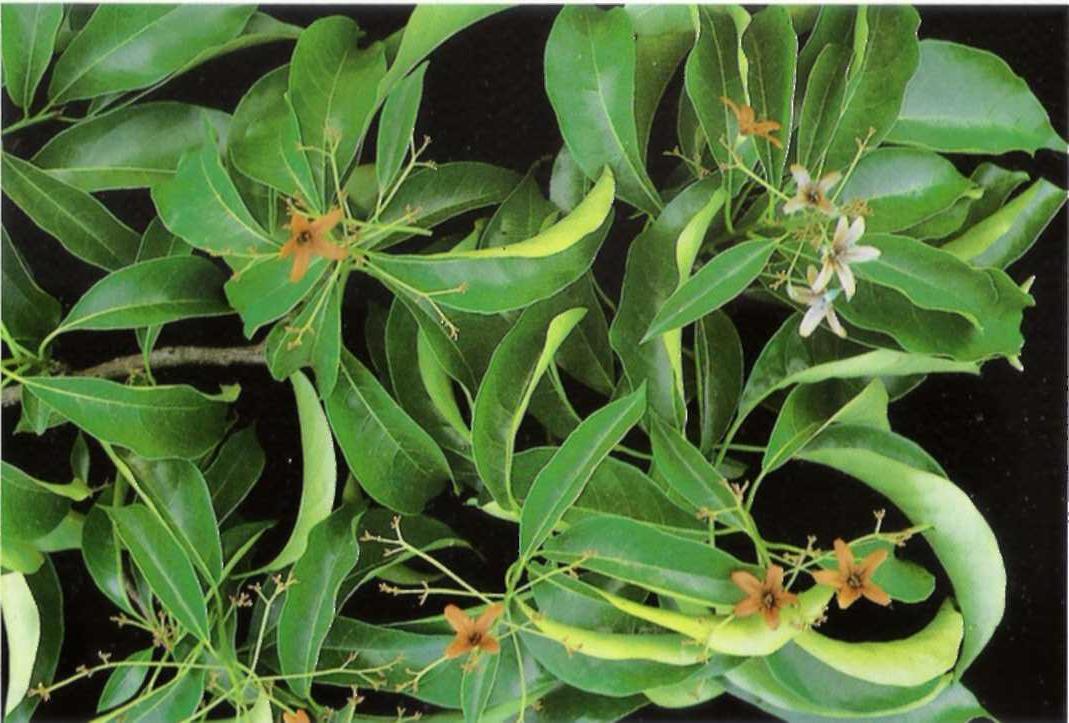
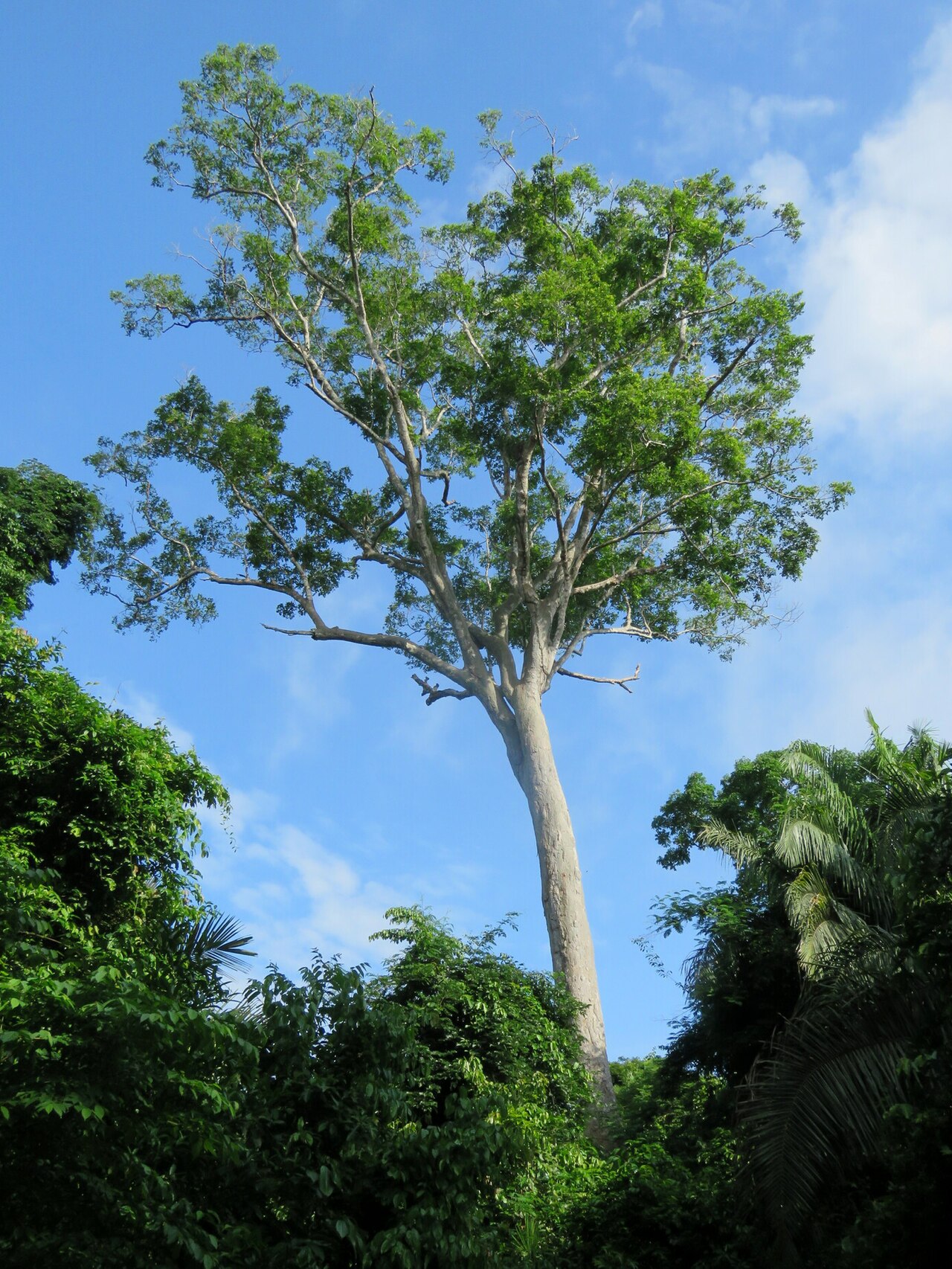
freijo
Cordia goeldiana
Secondary II Emergent Mulch biomassAmazonian emergent tree, listed by Embrapa Amazônia Oriental among key timber species for SAFs with fruit trees. Mahogany-grade timber — sliced and...
-
camaratuba
Cratylia mollis
Placenta II Low Fertilizer biomass 🌱 Nitrogen fixerNative shrubby legume of the Caatinga; one of the most important fodder species of the northeastern semiarid, with strong drought resistance and hi...
-
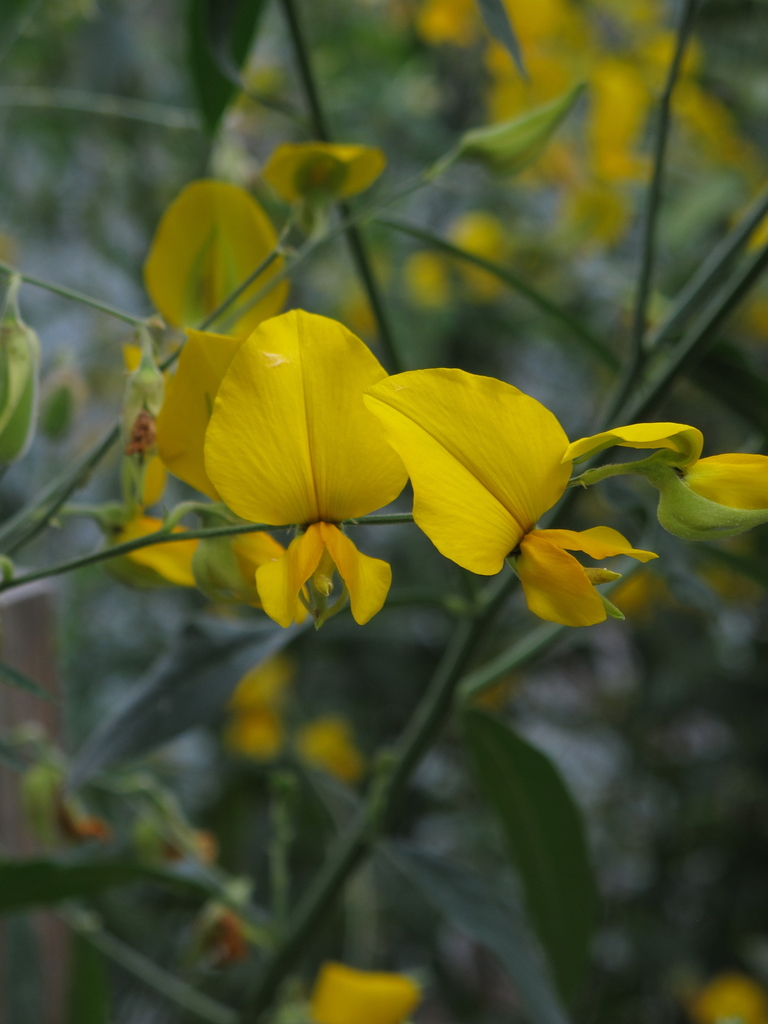
sunn hemp
Crotalaria juncea
Placenta I High Fertilizer biomass 🌱 Nitrogen fixerAnnual green-manure legume, fixes up to ~450 kg N/ha, ideal for the Placenta I phase. Breaks nematode cycles and contributes large amounts of ferti...
-
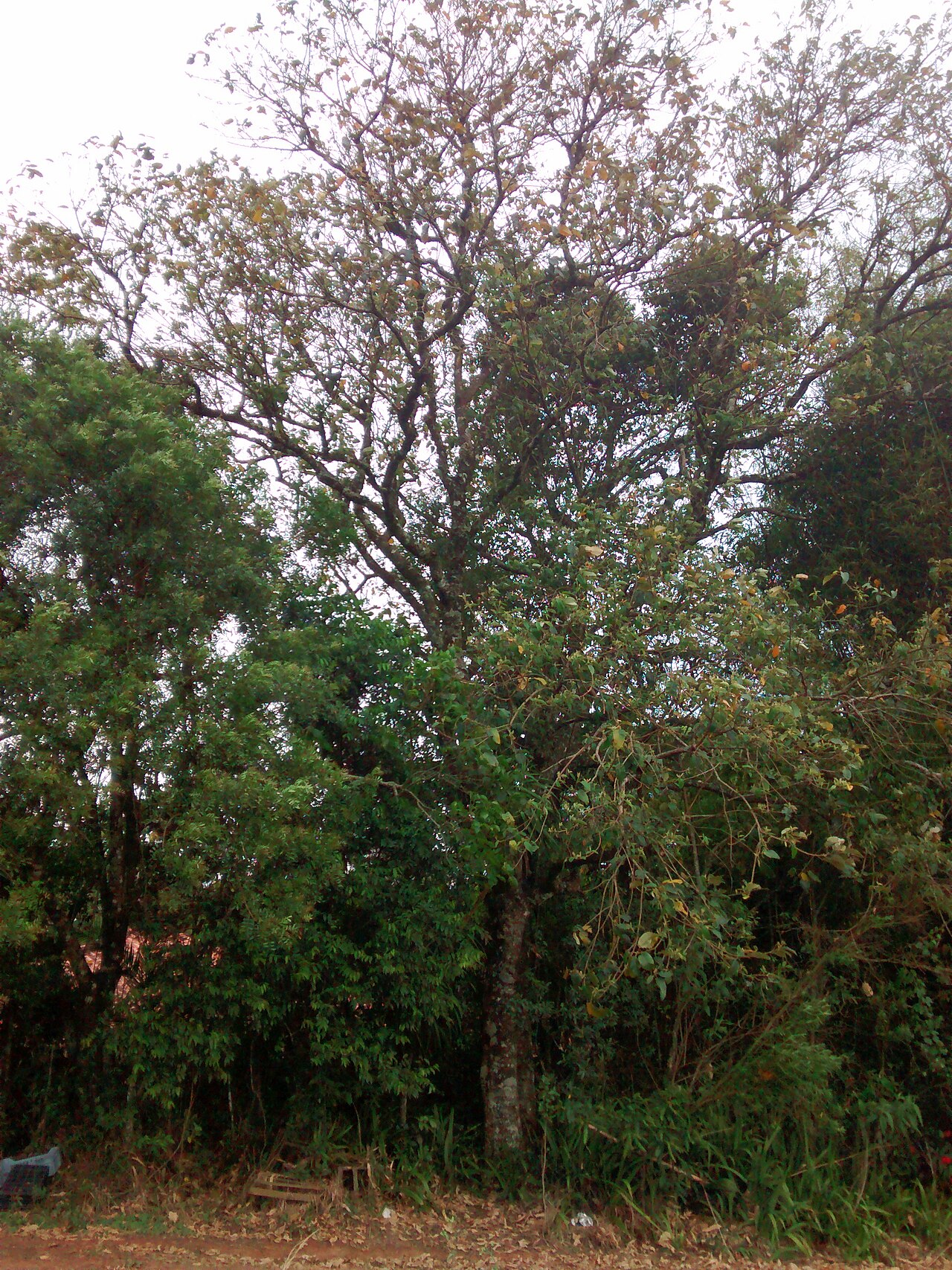
capixingui
Croton floribundus
Secondary I High Mulch biomassNative pioneer tree of the Atlantic Forest and Cerrado, common in edges and clearings of semi-deciduous forests. Reaches 8–15 m on a roughly 30-yea...
-
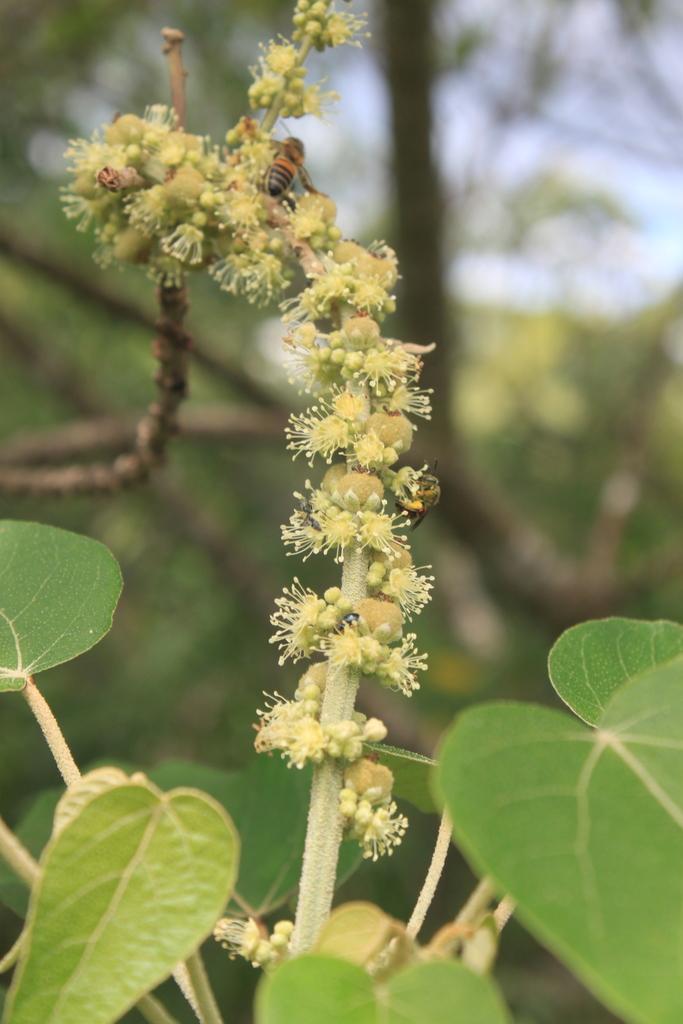
dragon's blood tree
Croton urucurana
Secondary I Medium Mulch biomassHeliophyte pioneer tree typical of riparian forests and humid terrain across the Amazon, Cerrado, and Atlantic Forest. Reaches 7–14 m and produces ...
-
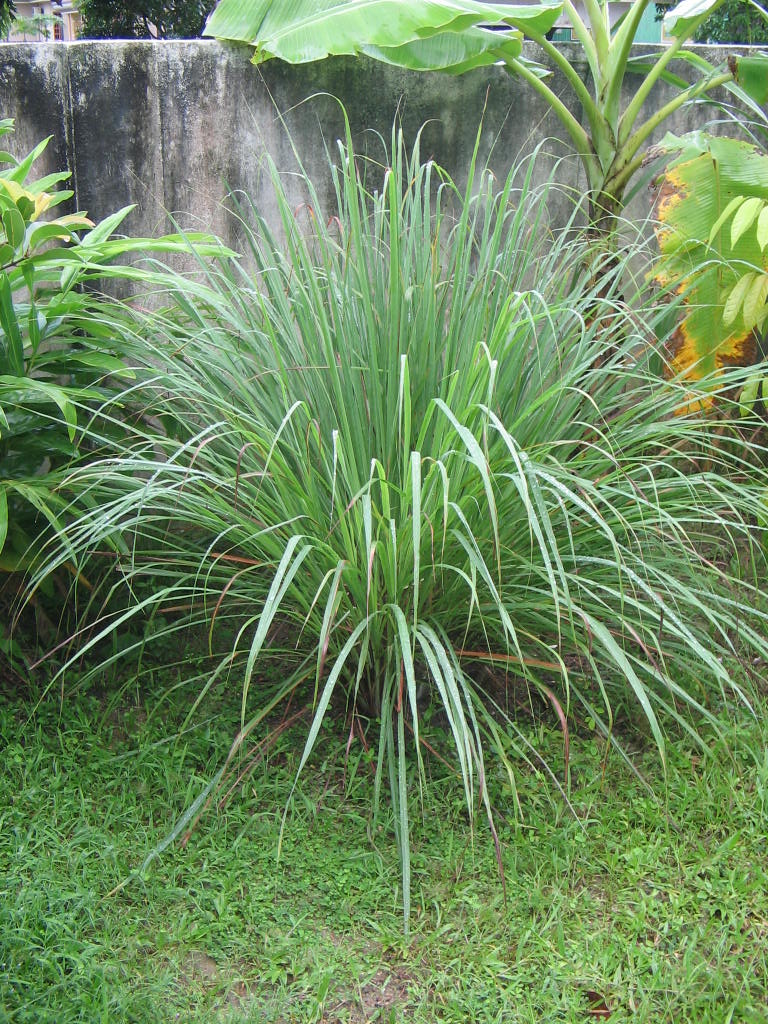
lemongrass
Cymbopogon citratus
Placenta I Low Mulch biomassPerennial aromatic grass (1–1.5 m) forming dense clumps. Lemon-scented leaves (citral). Permanent cover between tree rows in syntropic systems, mos...
-
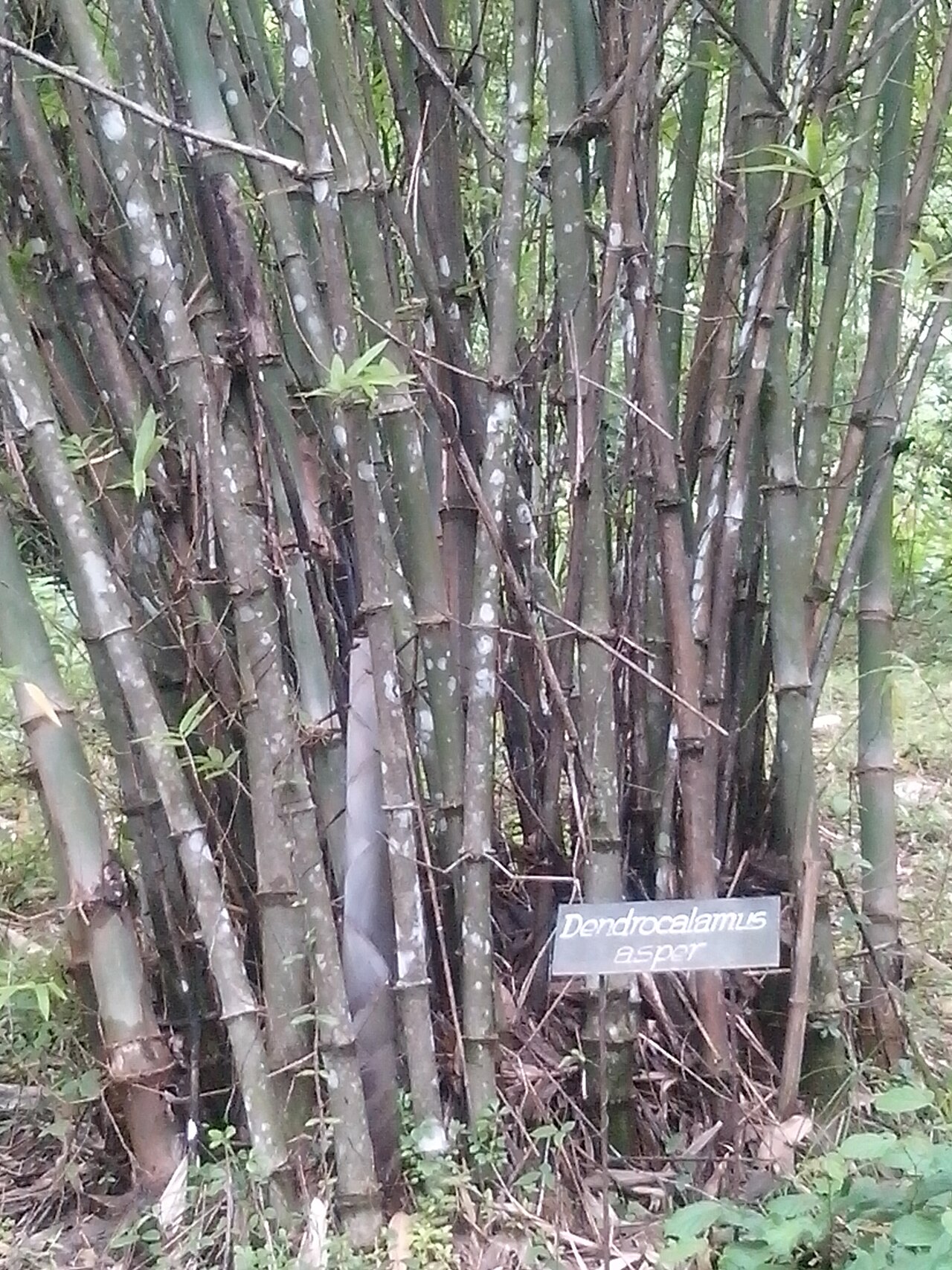
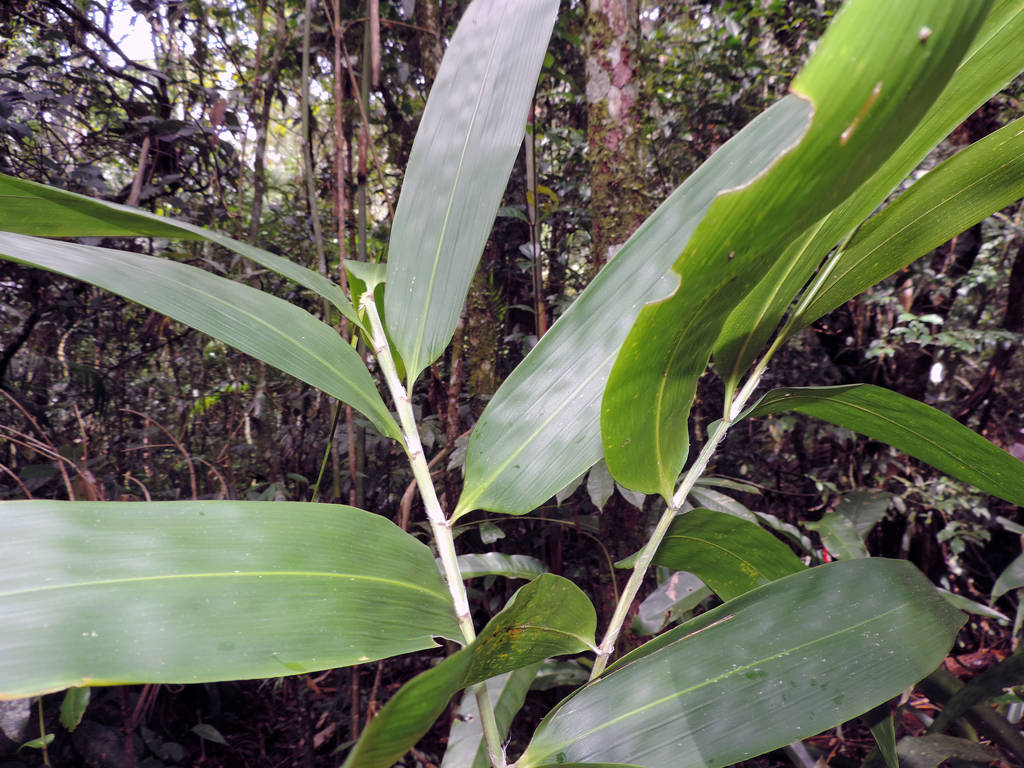
giant bamboo
Dendrocalamus asper
Secondary I Emergent Mulch biomassOne of the most economically important giant bamboos, a clumping species native to Southeast Asia, with culms 15–20 m tall and up to 20 cm in diame...
-
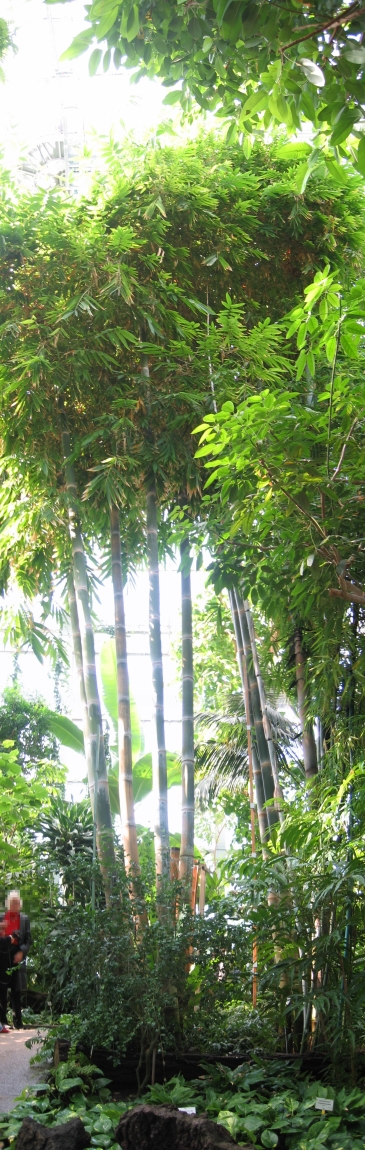
giant bamboo
Dendrocalamus giganteus
Secondary I Emergent Mulch biomassOne of the largest bamboos in the world, a clumping species native to India, Myanmar, Thailand and southern China, with culms commonly reaching 30 ...
-
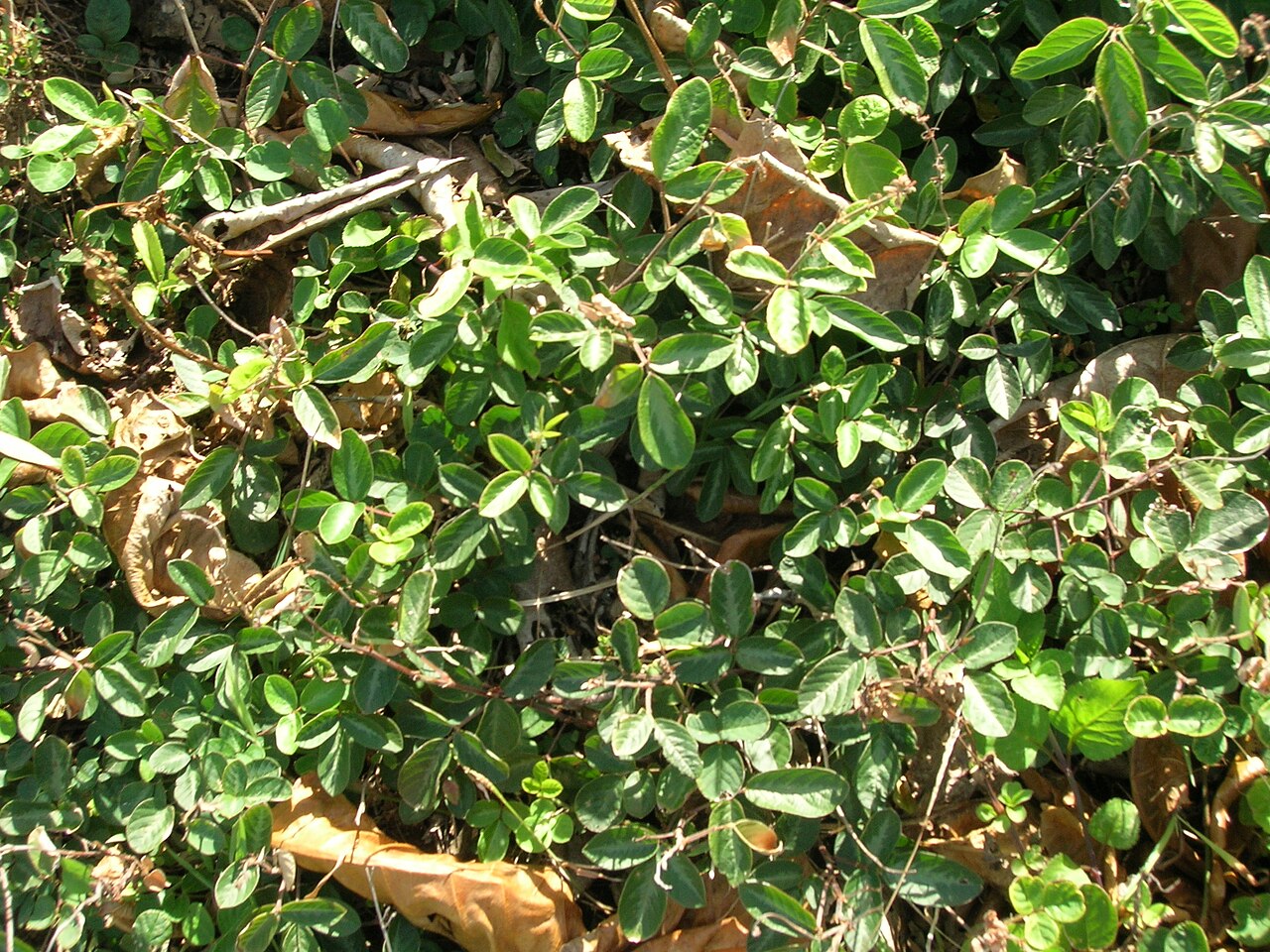
creeping beggarweed
Desmodium incanum
Placenta I Ground cover Fertilizer biomass 🌱 Nitrogen fixerA perennial creeping herbaceous legume native to tropical and subtropical America (including the grasslands of southern Brazil), with an aggressive...
-
tonka bean
Dipteryx odorata
Climax Emergent Mulch biomass 🌱 Nitrogen fixerEmergent Amazonian tree (15–30 m), relative of baru (Dipteryx alata, already in canon but Cerrado). Seeds (beans) with intense vanilla-coumarin aro...
-
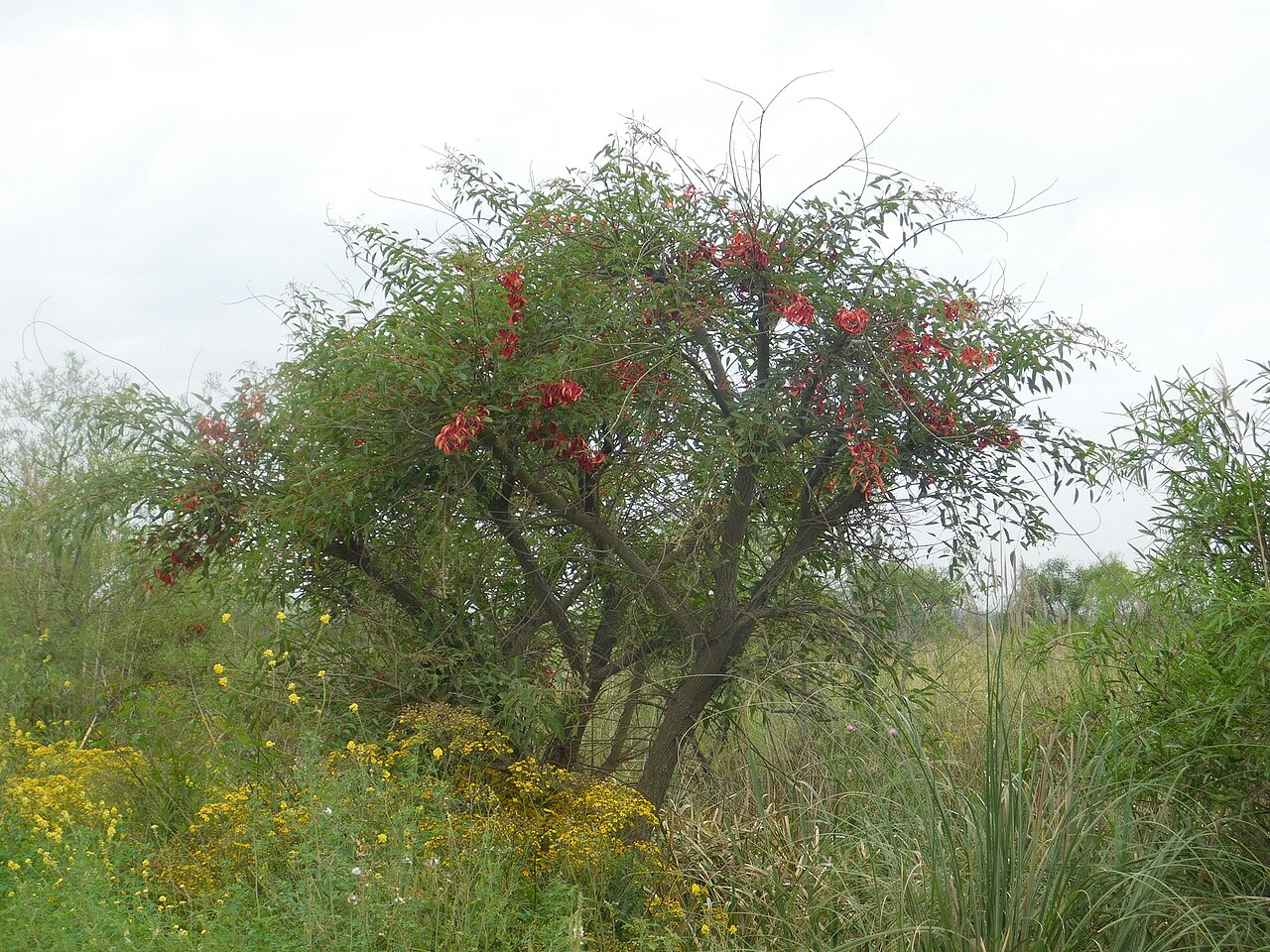
cockspur coral tree
Erythrina crista-galli
Secondary I Medium Fertilizer biomass 🌱 Nitrogen fixerA deciduous, sun-loving leguminous small tree or tree up to 10-15 m, native to southern Brazil and the rest of southern South America. It inhabits ...
-
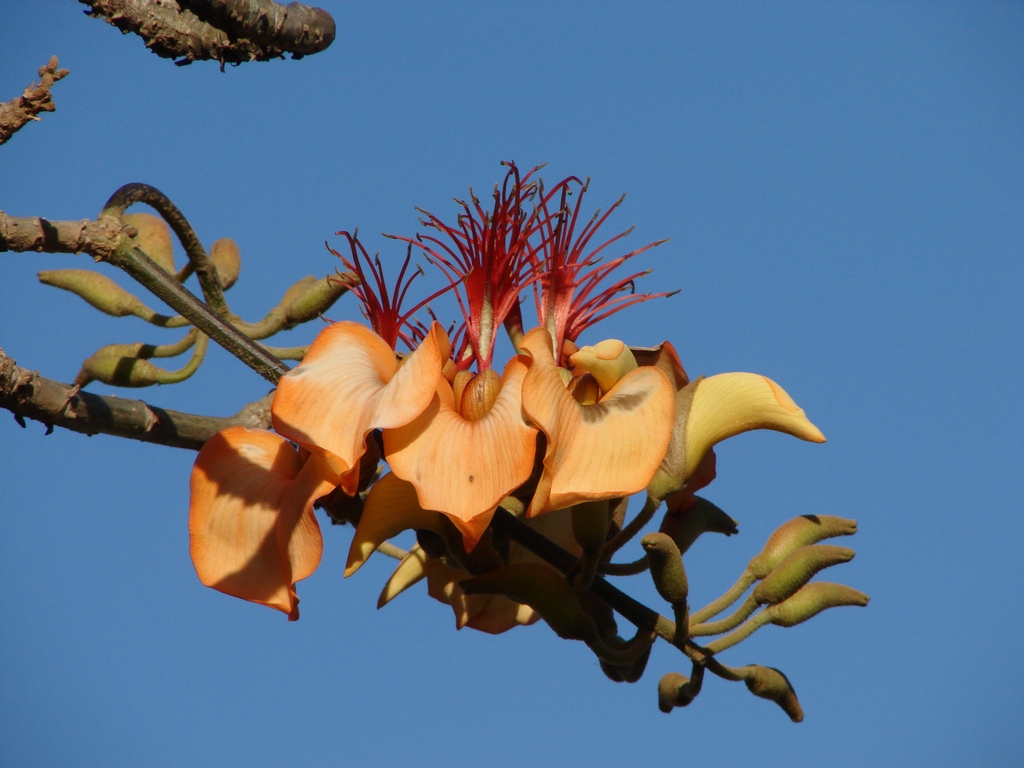
mulungu
Erythrina velutina
Secondary I High Fertilizer biomass 🌱 Nitrogen fixerBrazilian-native nitrogen-fixing tree legume; propagates easily by cuttings and produces abundant fertilizer biomass. Cited by Pasini among tree-fo...
-
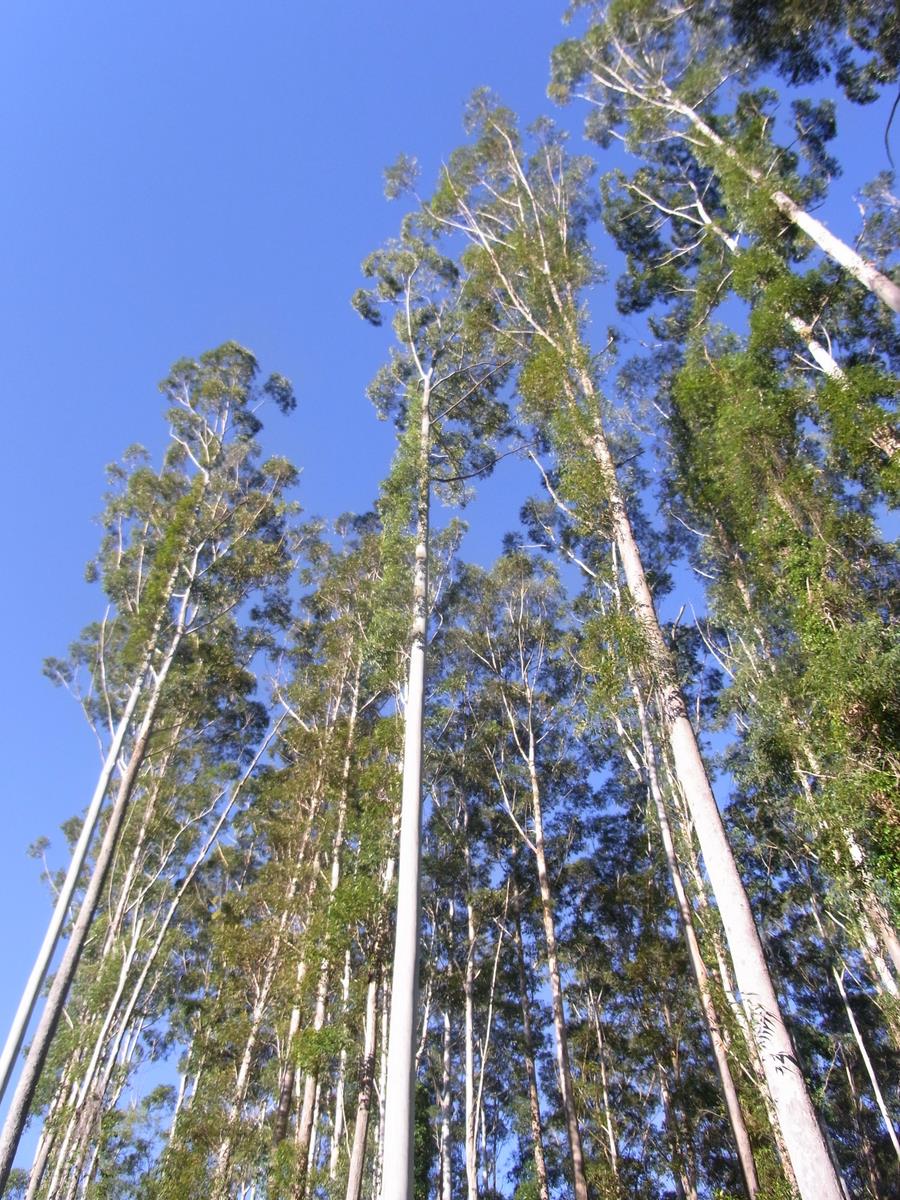
rose gum
Eucalyptus grandis
Secondary I Emergent Mulch biomassTypical accumulation species in syntropic systems: cover biomass, timber in 15 years. Non-native but widely used in Brazilian SAFs.
-
flemingia
Flemingia macrophylla
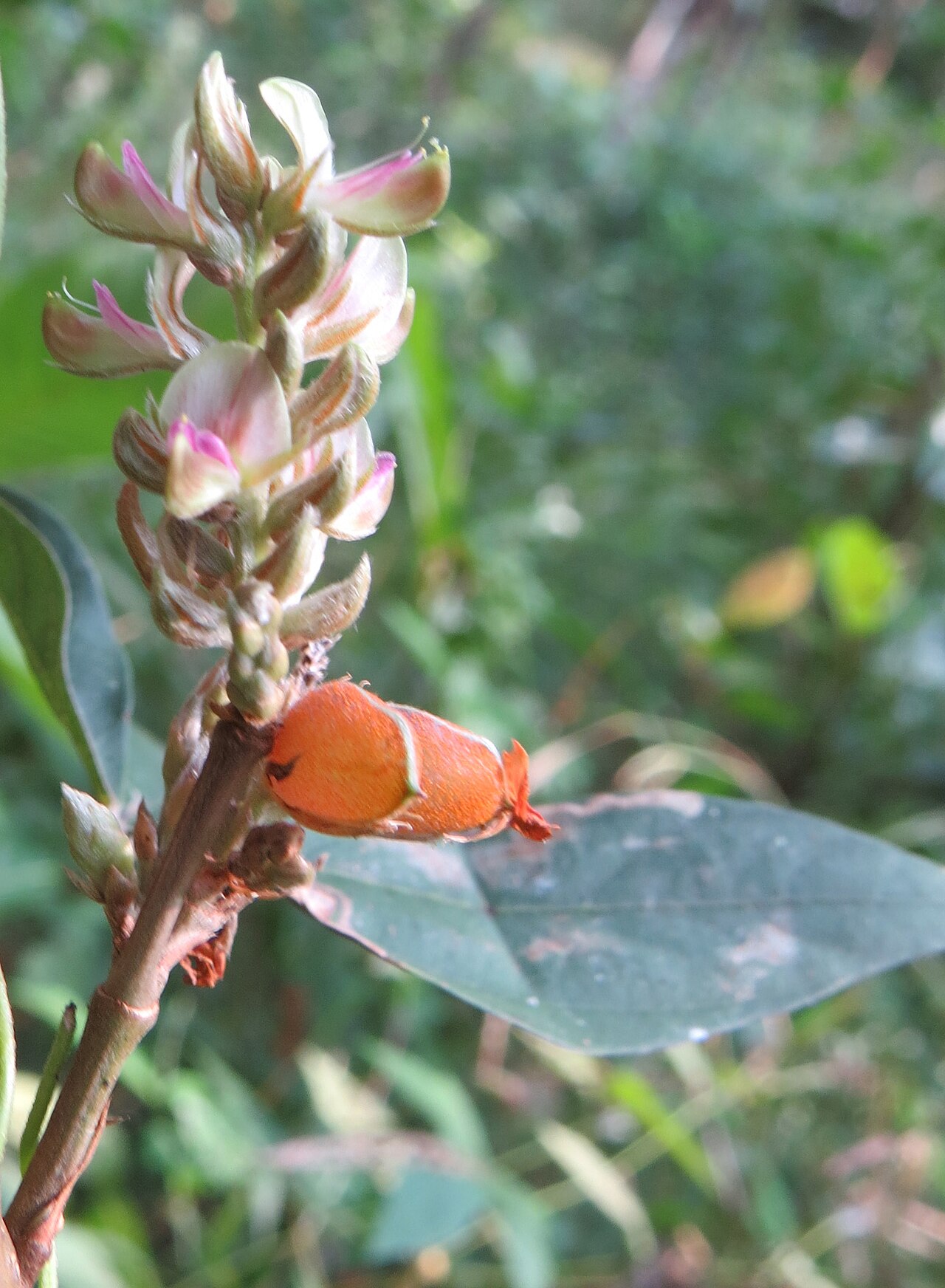
Placenta II Low Mulch biomass 🌱 Nitrogen fixerA perennial, woody, deep-rooted leguminous shrub up to 2.5 m tall, native to the humid tropics of Asia. It fixes nitrogen and is widely used in con...
-
gliricidia
Gliricidia sepium
Secondary I Medium Fertilizer biomass 🌱 Nitrogen fixerNitrogen-fixing legume that tolerates drastic pruning and produces fast-decomposing fertilizer biomass. Commonly used as shade for coffee and cocoa...
-
soybean
Glycine max
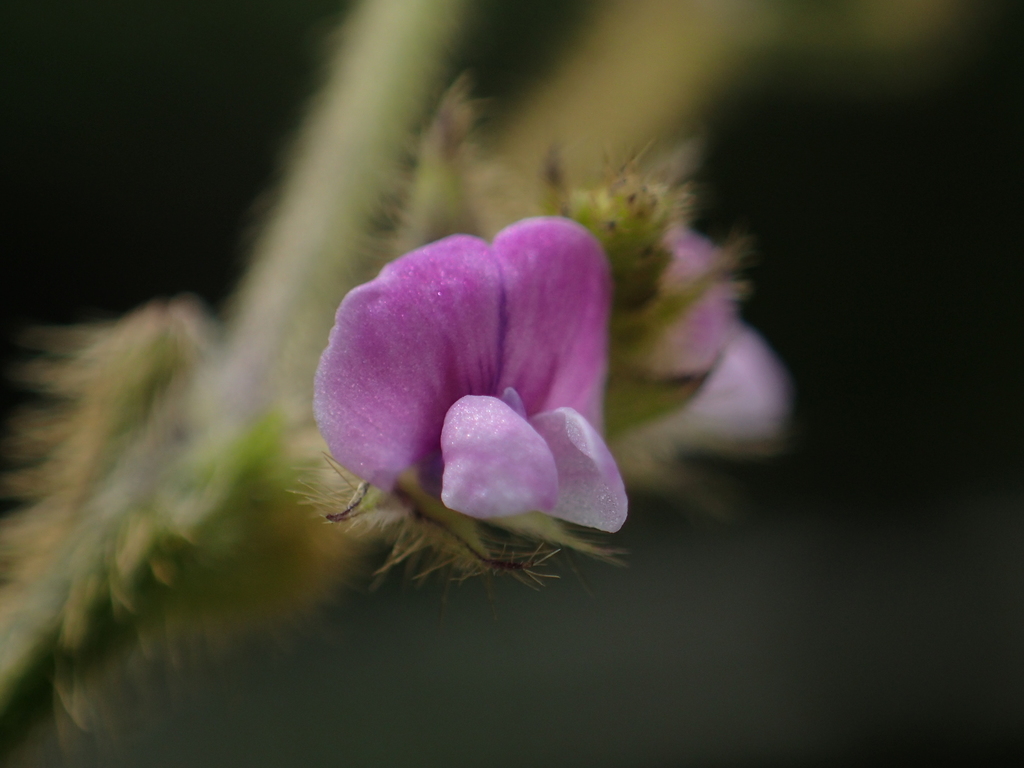
Placenta I Low Fertilizer biomass 🌱 Nitrogen fixerAnnual nitrogen-fixing legume (associates with Bradyrhizobium japonicum) — tall varieties Sambaíba and Tracajá were tested by Rebello & Sakamoto (2...
-
guadua
Guadua angustifolia
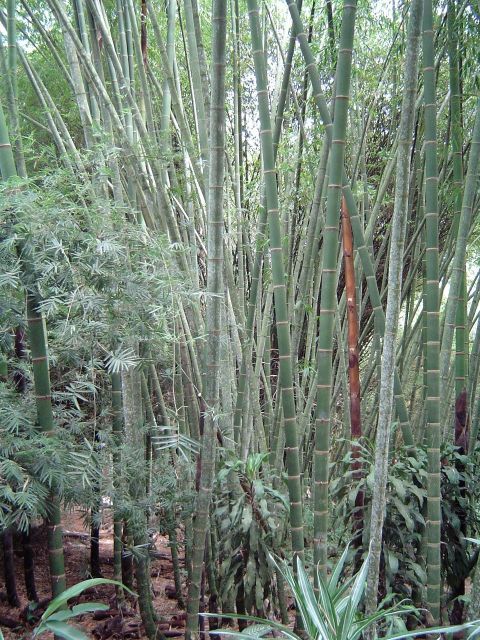
Secondary I Emergent Mulch biomassA woody clumping bamboo native to Central and South America, regarded as the finest structural bamboo of the Americas. It forms straight, strong cu...
-
taquarucu bamboo
Guadua tagoara
Secondary I High Mulch biomassA bamboo native to the Atlantic Forest, distributed from Santa Catarina to Bahia, where it forms the characteristic bamboo thickets. It can reach a...
-
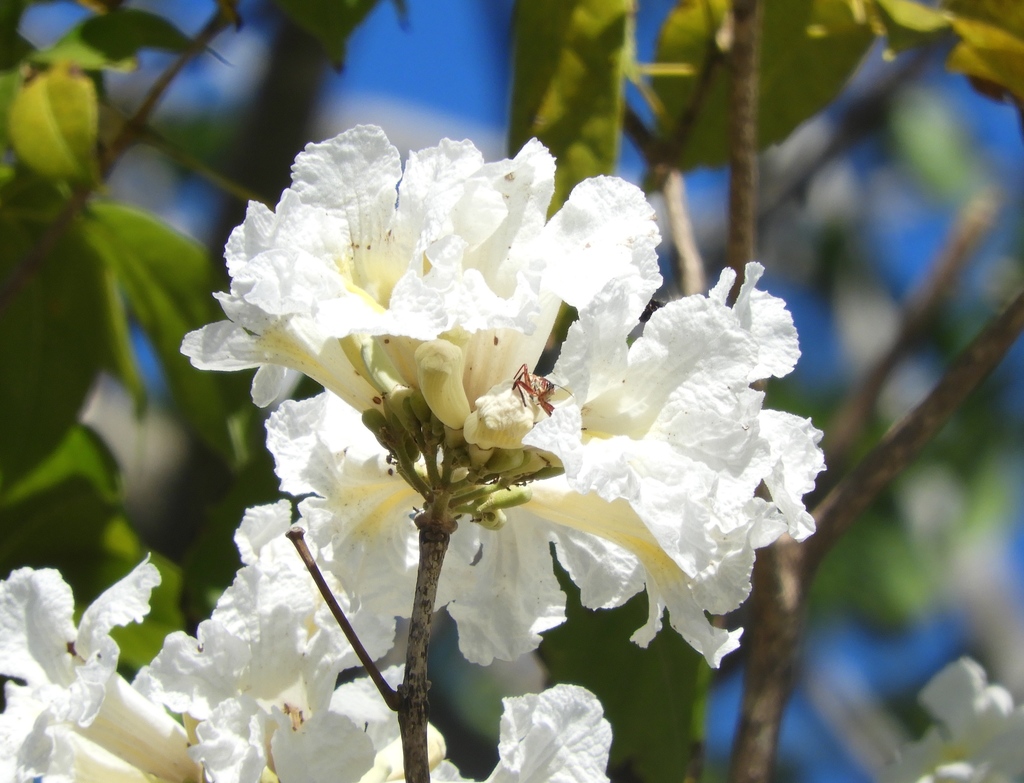
pink lapacho
Handroanthus impetiginosus
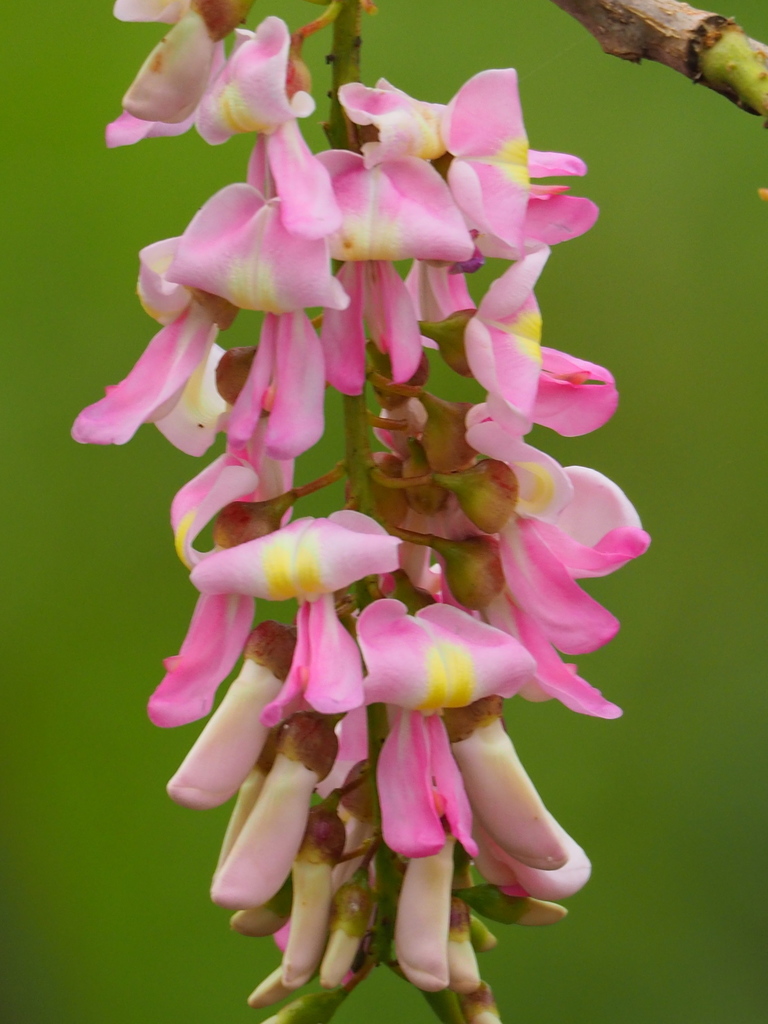
Climax Emergent Mulch biomassEmergent tree native to Cerrado, Atlantic Forest, Caatinga, Amazon, and Pantanal. Reaches 20–35 m in the wild, 8–12 m in cultivation. Vivid magenta...
-
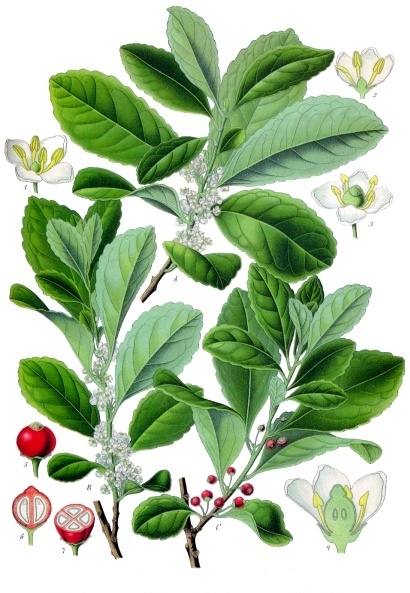
yerba mate
Ilex paraguariensis
Secondary II Medium No biomass productionTree native to highland Atlantic Forest and southern Brazilian grasslands, listed by IPOEMA among major Brazilian perennial crops in agroforestry c...
-
ice cream bean
Inga edulis
Secondary I High Fertilizer biomass 🌱 Nitrogen fixerEssential nitrogen fixer in syntropic systems. Coppices readily after drastic pruning and produces large volumes of fertilizer biomass.
-
river inga
Inga vera
Secondary I Medium Fertilizer biomass 🌱 Nitrogen fixerA pioneer leguminous tree native to the Neotropics, 5-10 m tall, with a broad low crown, frequent in secondary formations of humid or swampy soil, ...
-
bellyache bush
Jatropha gossypiifolia
Placenta II Low Mulch biomassXerophytic shrub native to the Caatinga, cited by Rebello among plants that thrive in low-rainfall environments, alongside forage cactus and sisal....
-
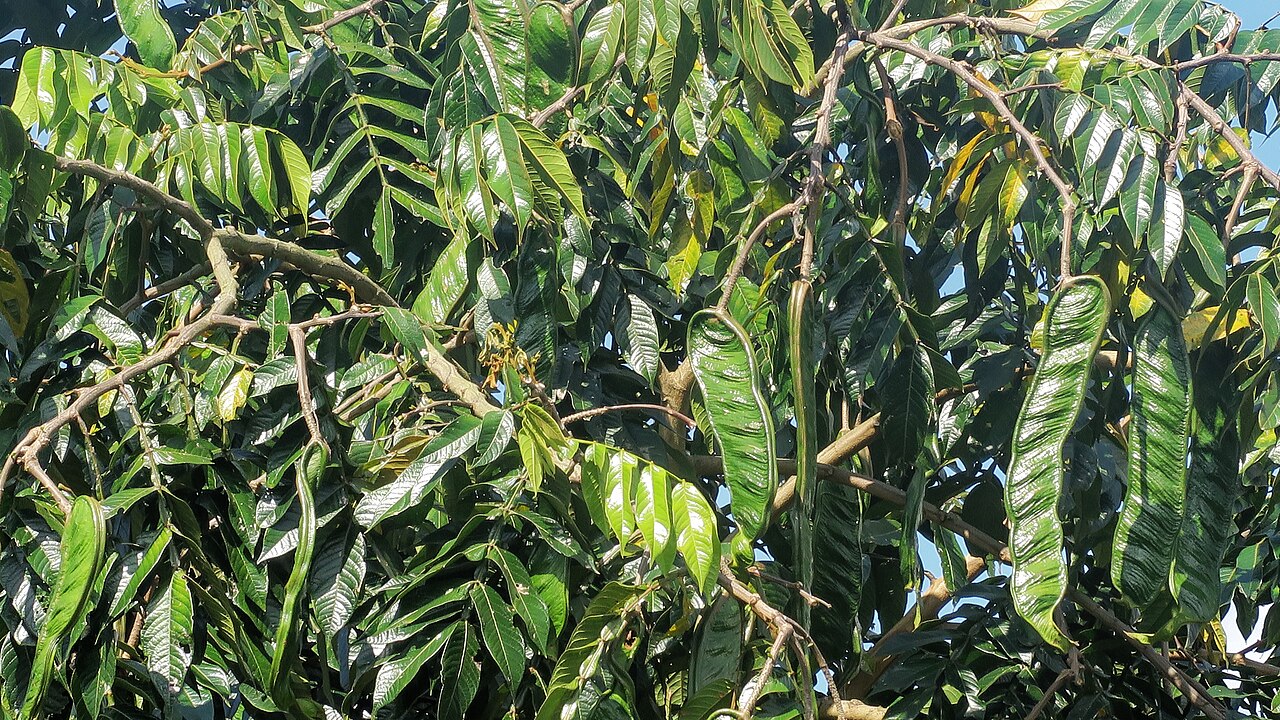
arara nut tree
Joannesia princeps
Climax Emergent Mulch biomassAtlantic Forest emergent surviving 80+ years. Rebello highlights its key successional role: planted with embaúba (secondary I, 10–20 yr) and guapur...
❓ Frequently asked questions
What does "Biomass producer" mean in syntropic agriculture?
Fast-growing species whose biomass (leaves, branches, trunks) is periodically cut and returned to the soil. The energetic engine of a syntropic system: pruning produces organic matter that feeds soil life and releases light for the next generation.
Which catalog species are tagged Biomass producer?
The catalog holds 95 species, among them freijo, camaratuba, sunn hemp. Each profile shows stratum, succession stage, and the management data, with sources cited.