
Function
Biomass producer — species for syntropic systems
Biomass producers are the system's engine: fast growth, hard pruning, and all of it becomes the organic matter that covers the soil and feeds succession. Giant grasses, bananas, and cut-and-carry legumes are the classics.
95 species in the catalog · Refine this list in the catalog
-
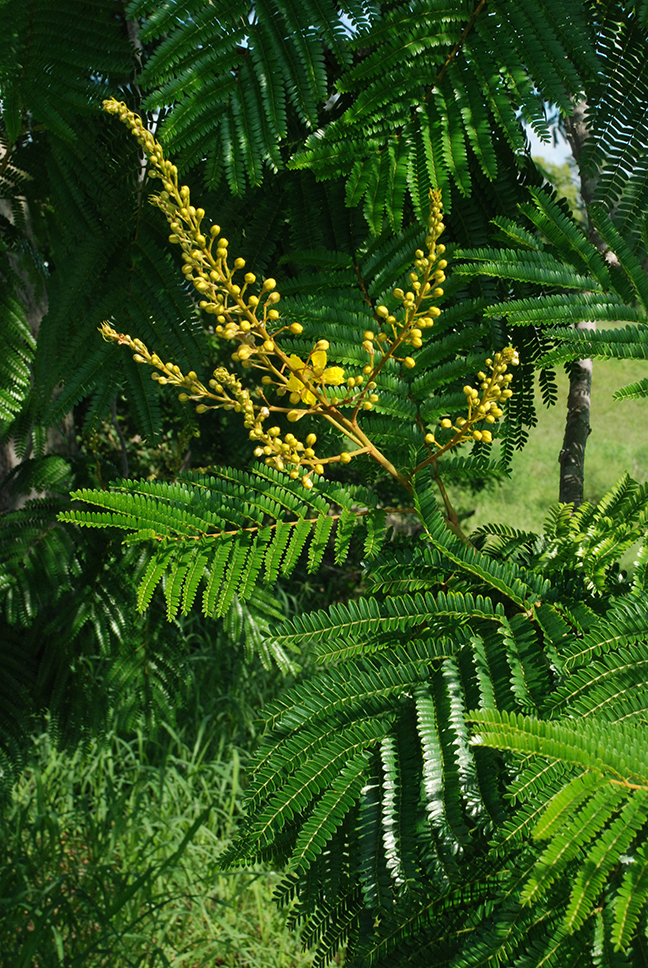
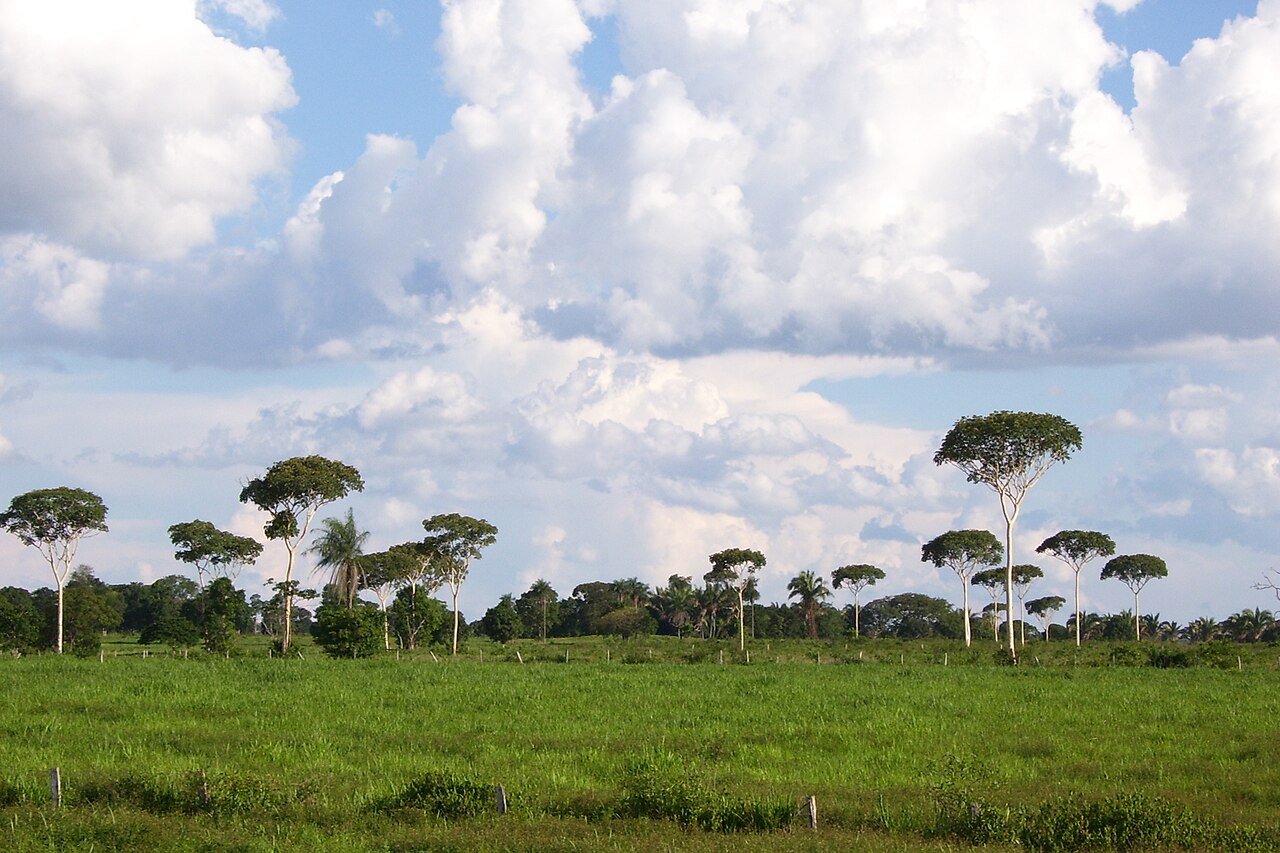
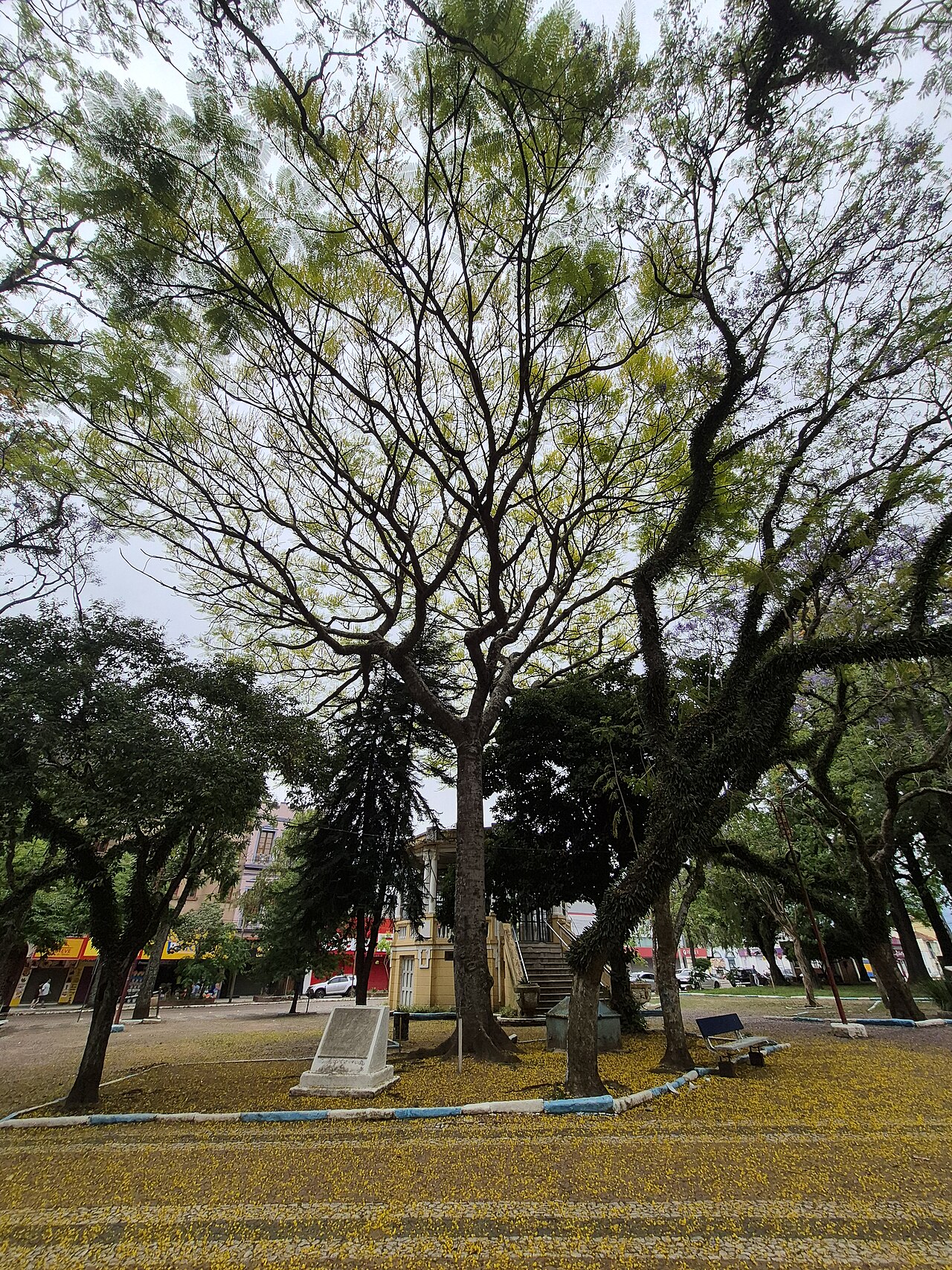
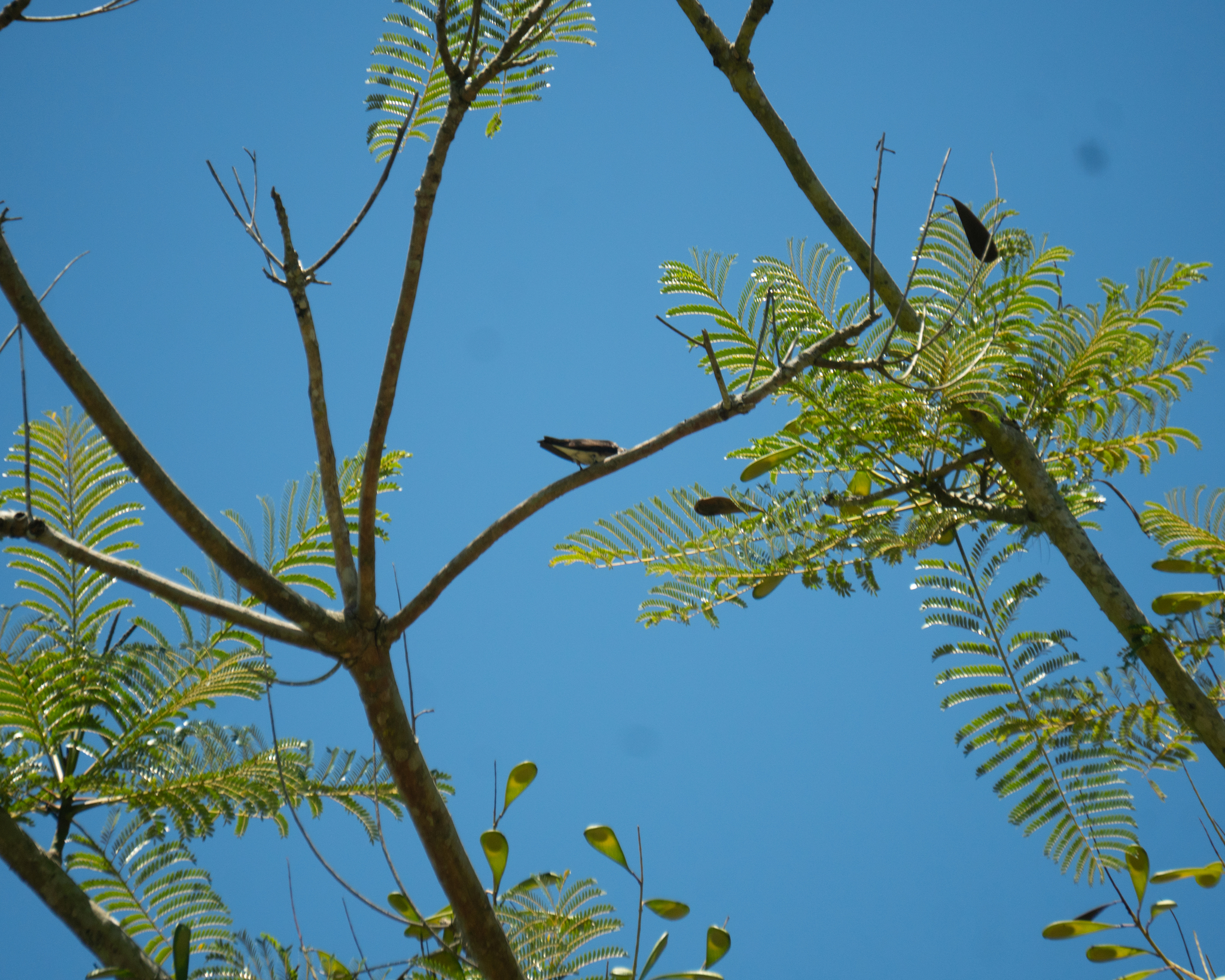
yellow poinciana
Peltophorum dubium
Secondary I High Fertilizer biomassPioneer heliophyte legume with fast growth. 10–20 m, occasionally 40 m at maturity. Occurs in Cerrado and Atlantic Forest, transition zones and rip...
-
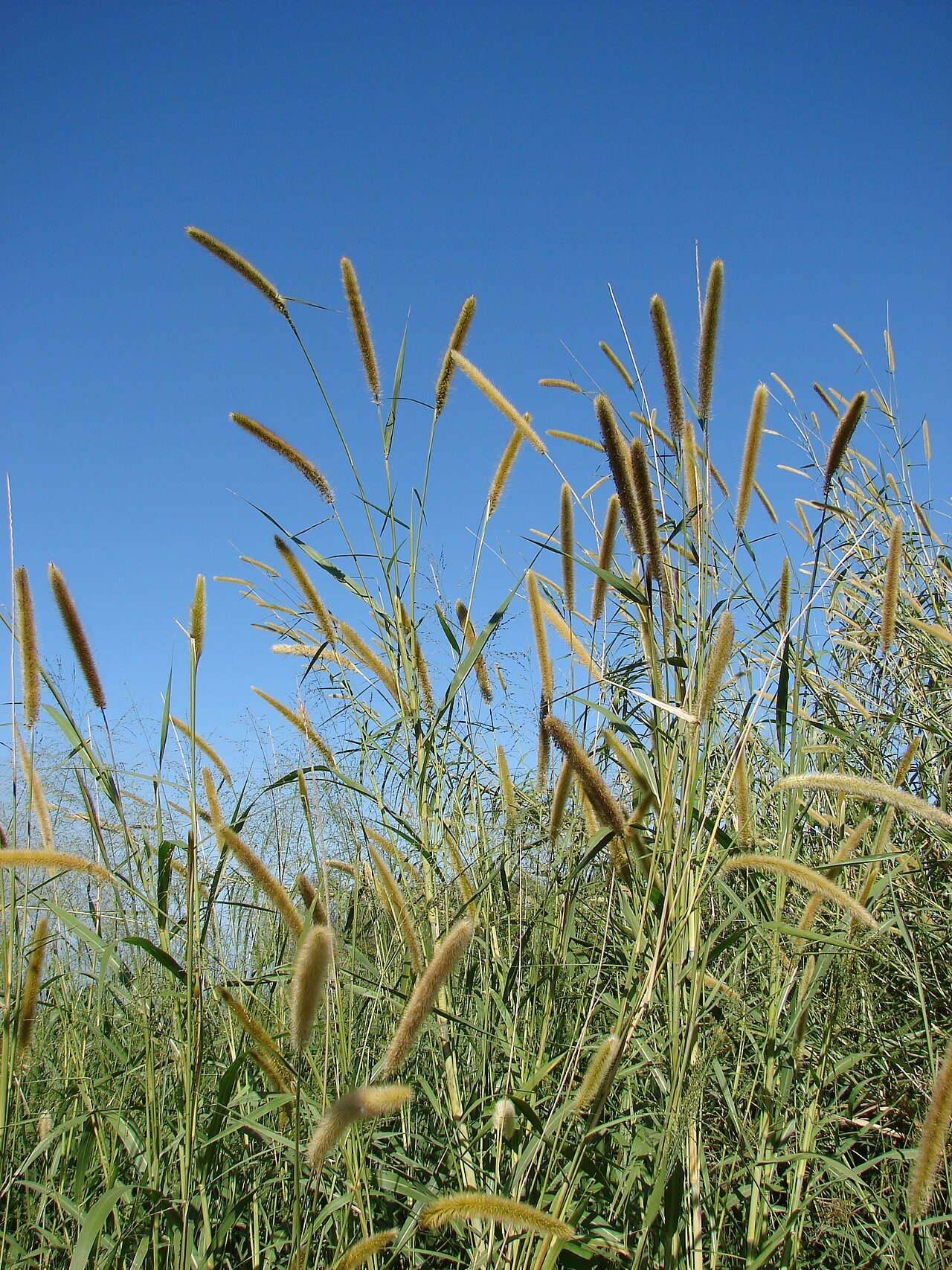
Napier grass
Pennisetum purpureum
Placenta II Medium Mulch biomassPerennial African grass introduced to Brazil in 1920. Forms vigorous clumps reaching 3–5 m and is one of the main biomass-producing species in synt...
-
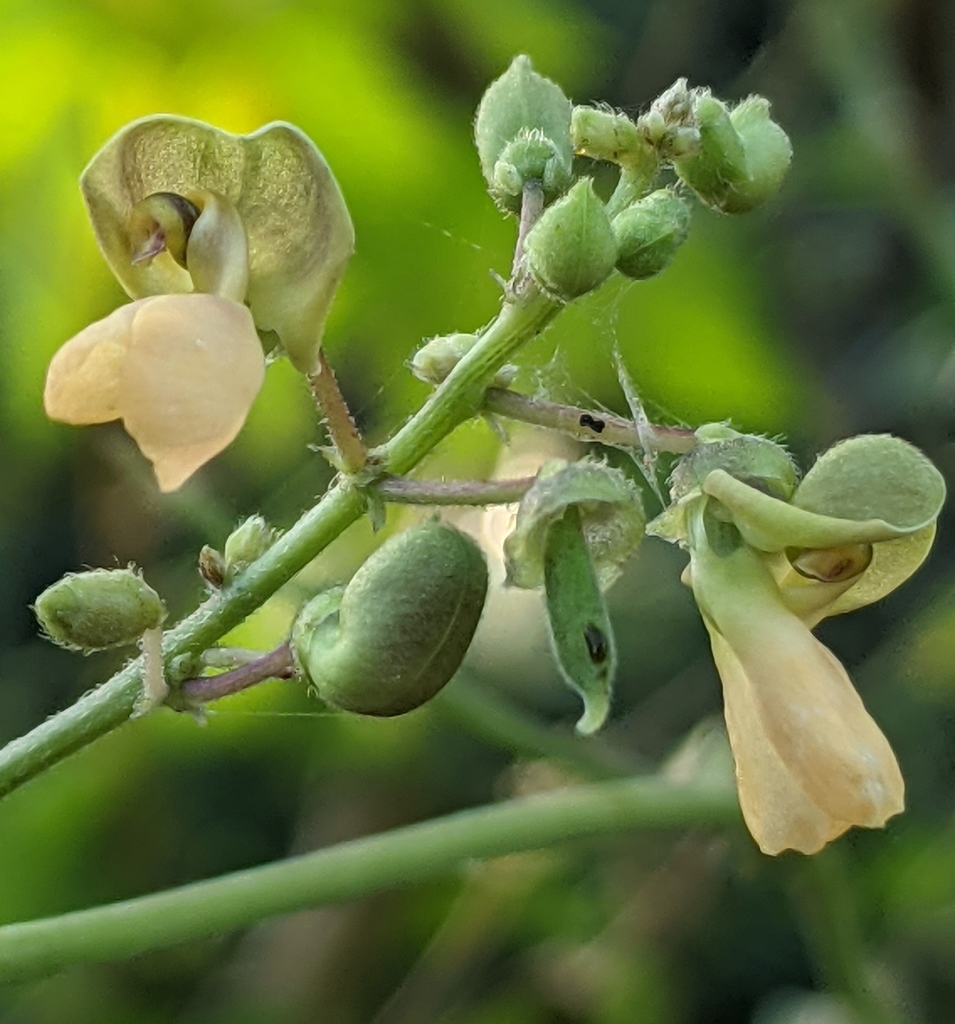
lima bean
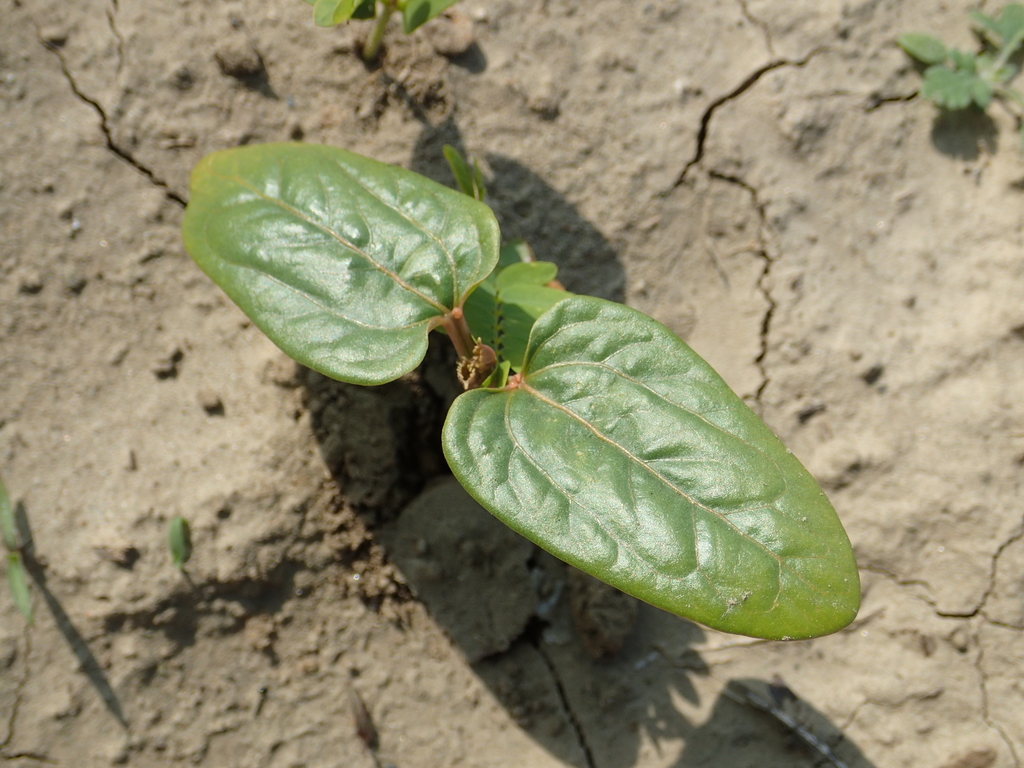
Phaseolus lunatus
Placenta I High Fertilizer biomass 🌱 Nitrogen fixerAnnual or short-lived perennial nitrogen-fixing legume, native to the Americas. EcoAgri lists it in the high stratum of the 'up to 6 months' bin. C...
-
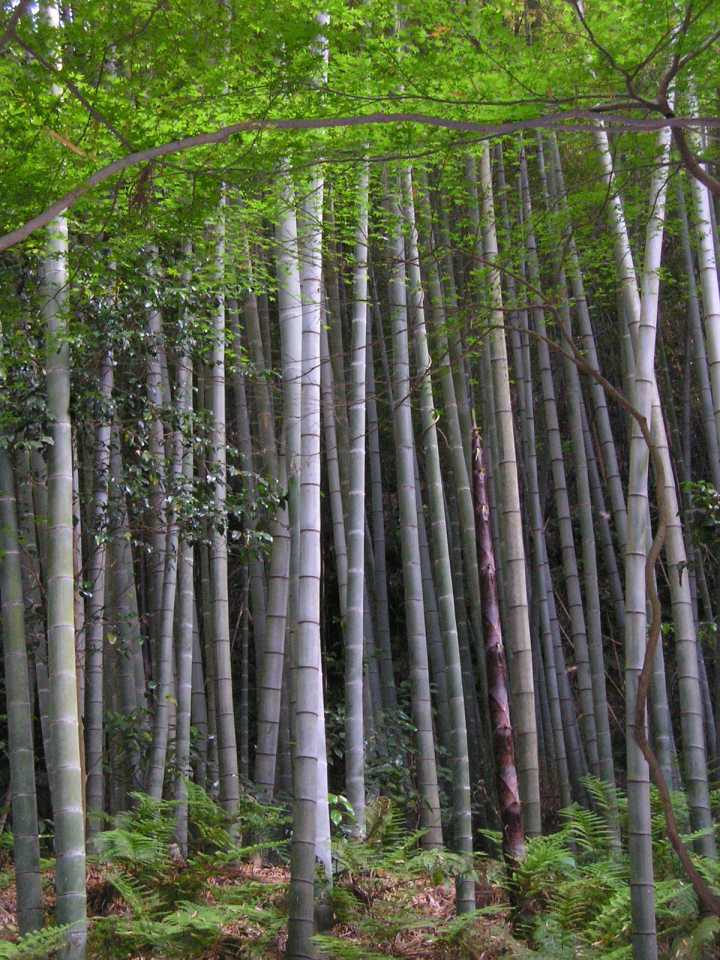
moso bamboo
Phyllostachys edulis
Secondary I Emergent Mulch biomassA running (spreading) bamboo native to China and Taiwan, the most cultivated species for timber and fiber in East Asia. It reaches up to 28 m tall ...
-
guapeva
Pouteria torta
Secondary II High Mulch biomassMedium-sized Cerrado and Atlantic Forest tree (8–15 m). Large yellow-orange fruit with sweet starchy flesh and shiny seeds — edible raw or in jams....
-
fodder radish
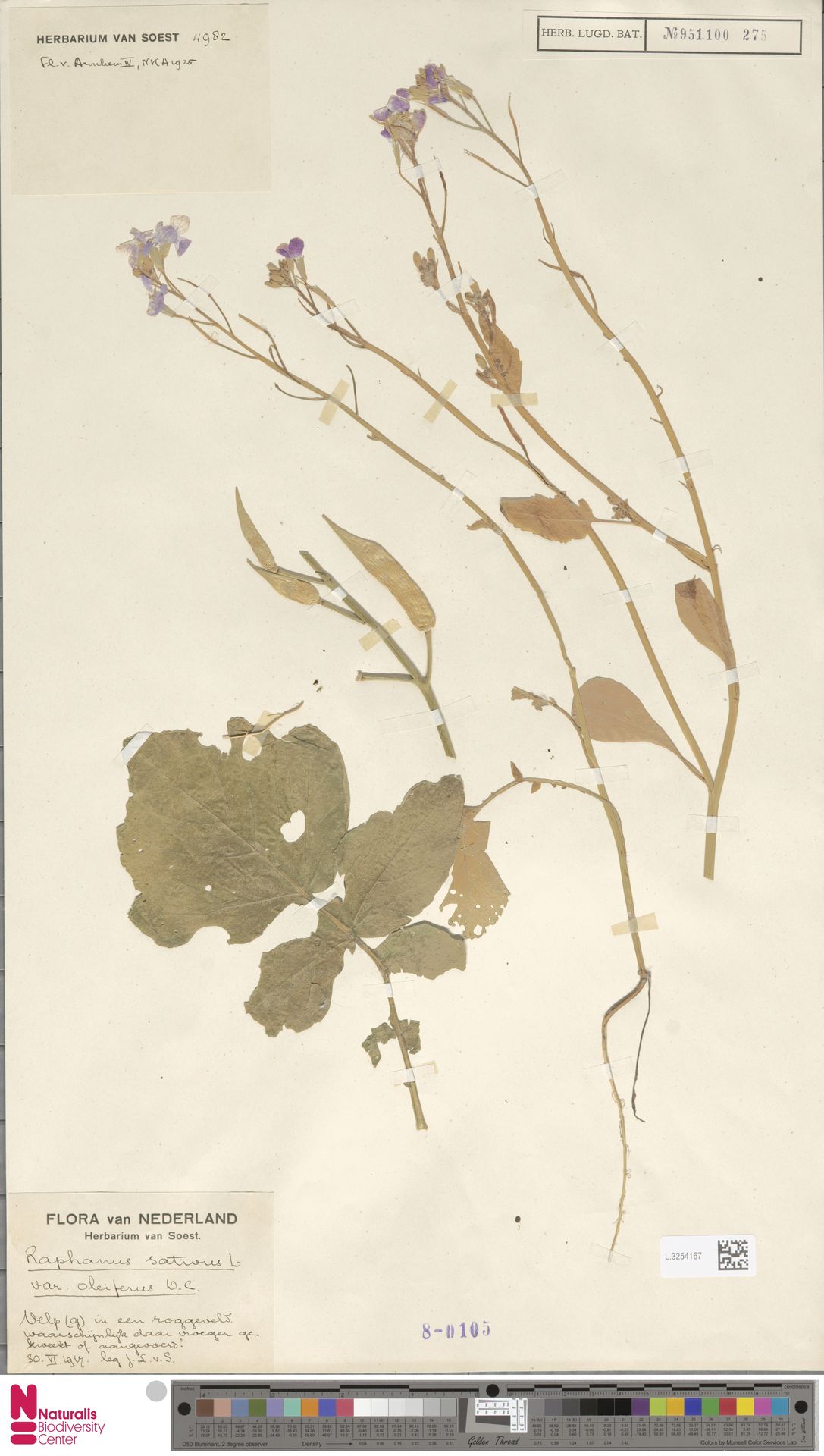
Raphanus sativus var. oleiferus
Placenta I Low Fertilizer biomassSpecific Raphanus cultivar for green manure. Pasini lists it in the medium stratum of Tabela 3. Taproot breaks through compacted layers; sulfur- an...
-
castor bean
Ricinus communis
Placenta II Emergent Mulch biomassAnnual or short-lived perennial shrub/small tree, a high-yielding oilseed crop. EcoAgri lists it in the emergent stratum of the 'up to 3 years' bin...
-
sugar cane
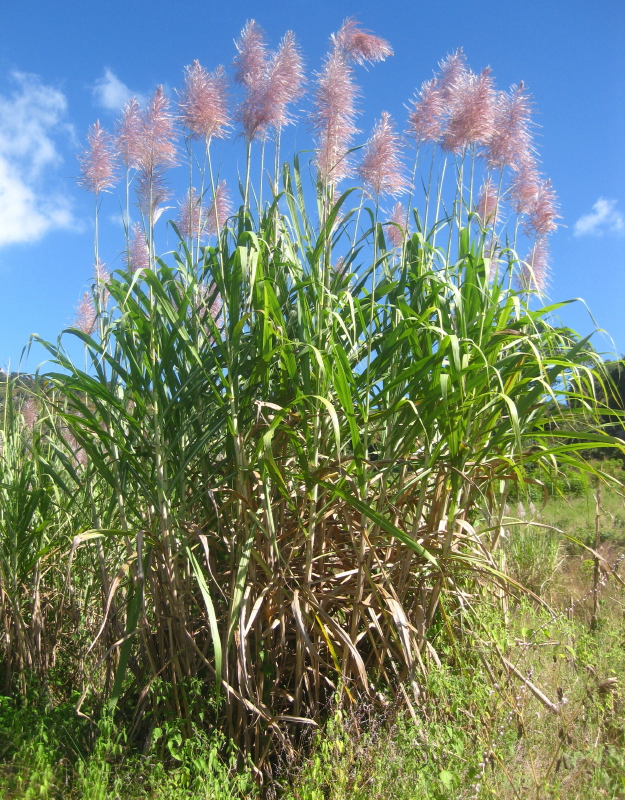
Saccharum officinarum
Placenta II Emergent Mulch biomassPerennial grass with very high production of cover biomass. Pasini lists it in the emergent stratum (Tabela 3). Cut periodically in syntropic agrof...
-
morototó
Schefflera morototoni
Secondary I Emergent Mulch biomassFast-growing pioneer tree common in Atlantic Forest and Amazon clearings. EcoAgri lists it in the emergent stratum of the 'up to 50 years' extras. ...
-
Brazilian fern tree
Schizolobium parahyba
Placenta II Emergent Fertilizer & mulchPioneer Atlantic Forest species with extremely fast growth (up to 6 m per year in early years), reaching 20–30 m. Excellent for early shade and bio...
-
paricá
Schizolobium parahyba
Secondary I Emergent Mulch biomassAmazonian emergent legume with extremely fast growth — reaches 20–30 m in 18 years. Embrapa lists paricá among key timber species for SAFs: straigh...
-
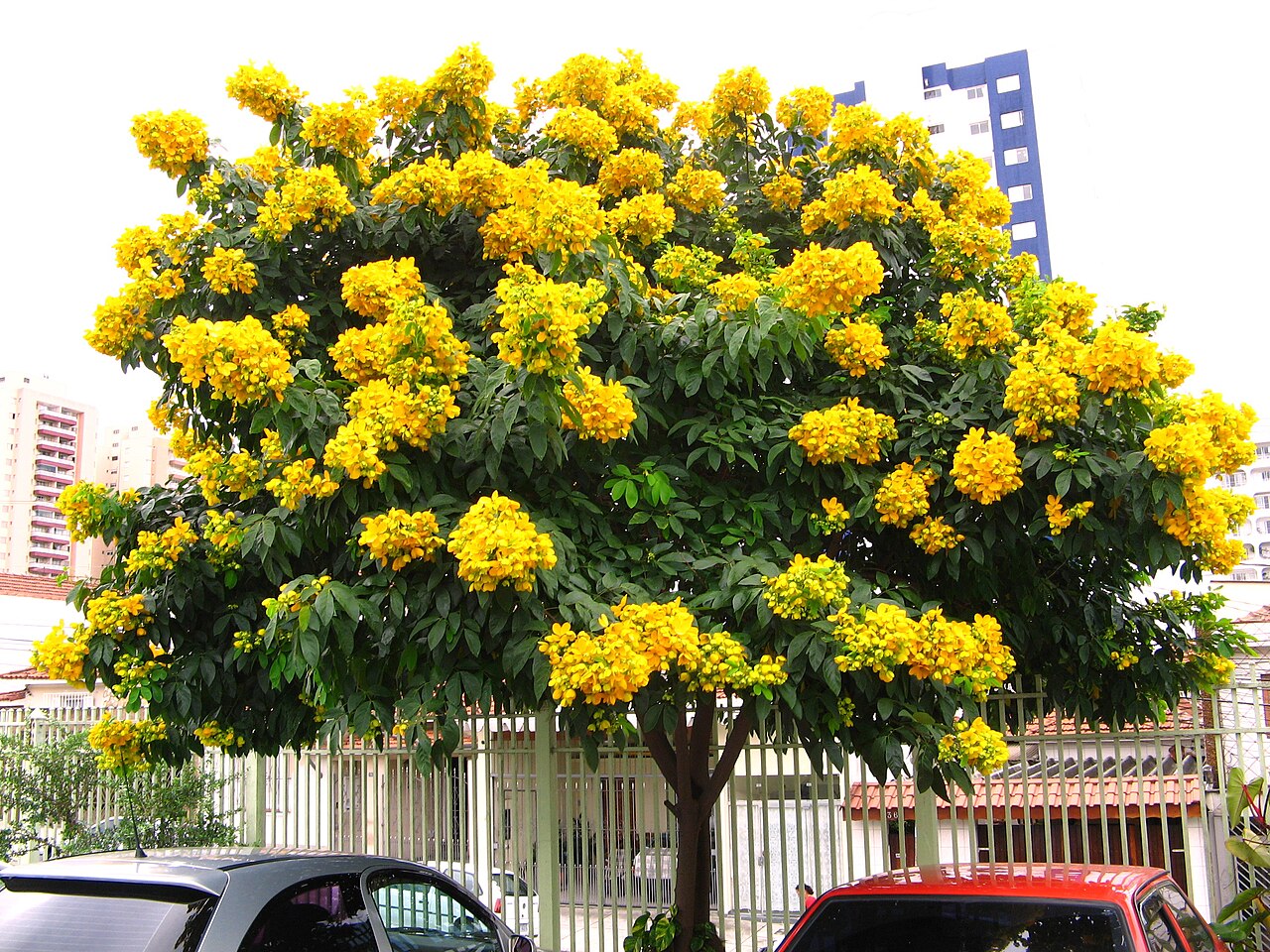
senna macranthera
Senna macranthera
Secondary I Medium Fertilizer biomassA nitrogen-associated leguminous tree native to Brazil, small to medium-sized (6-8 m), fast-growing and semi-deciduous. It bears showy yellow flowe...
-
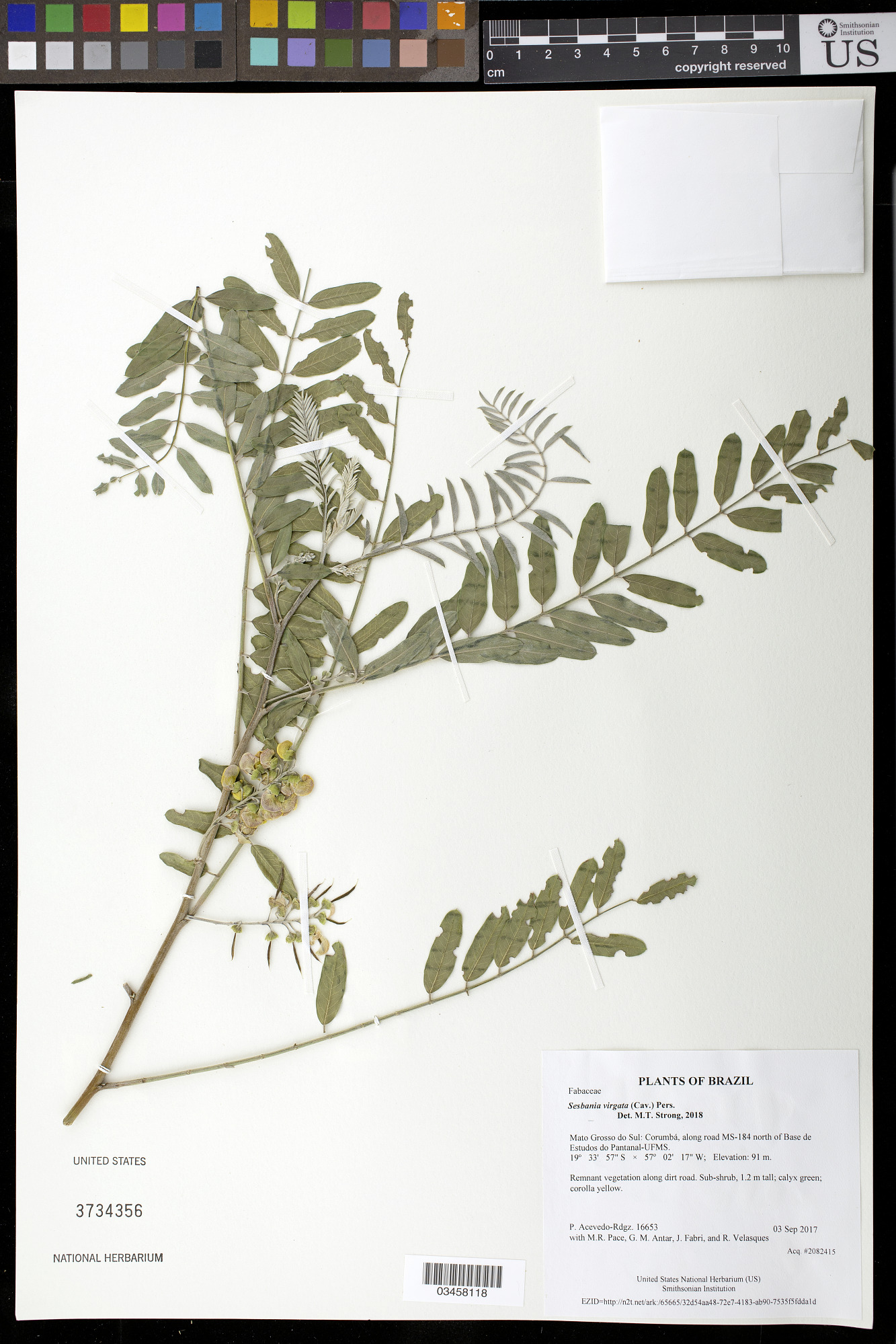
wand riverhemp
Sesbania virgata
Placenta I Low Fertilizer biomass 🌱 Nitrogen fixerA pioneer leguminous shrub native to riparian environments of southern Brazil, Uruguay and northeastern Argentina. It fixes nitrogen by nodulating ...
-
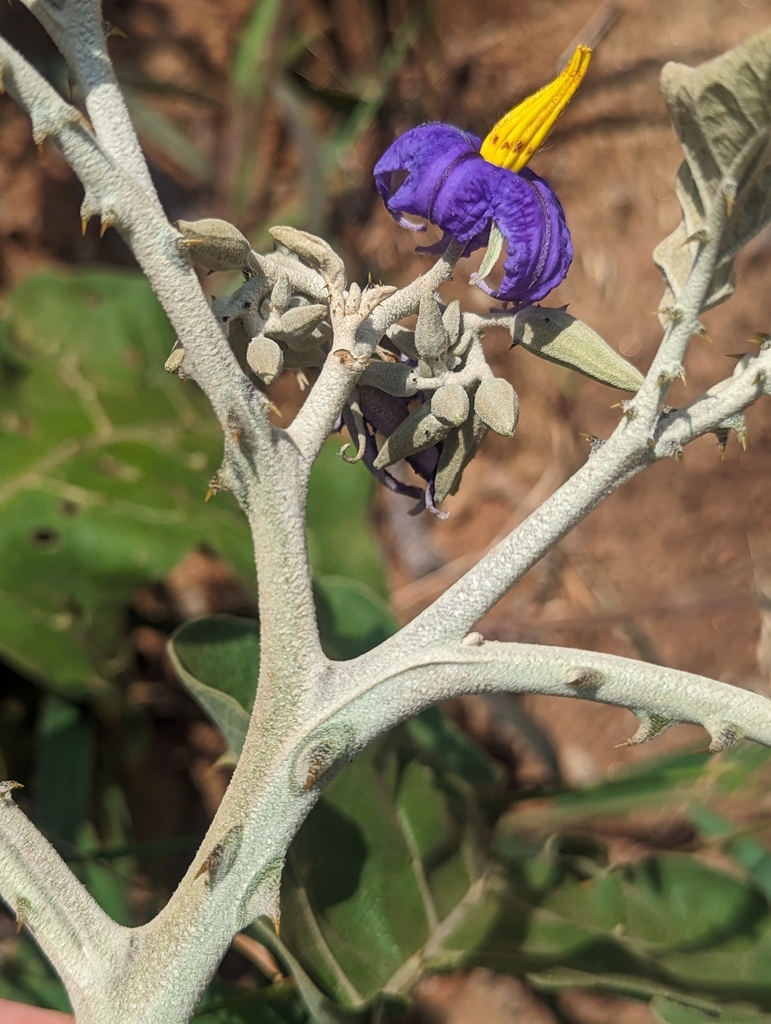
wolf apple
Solanum lycocarpum
Placenta II Low Mulch biomassSmall iconic Cerrado tree, listed by Rebello among accumulation-system species used on exhausted soils in Chapada dos Veadeiros. Large yellow fruit...
-
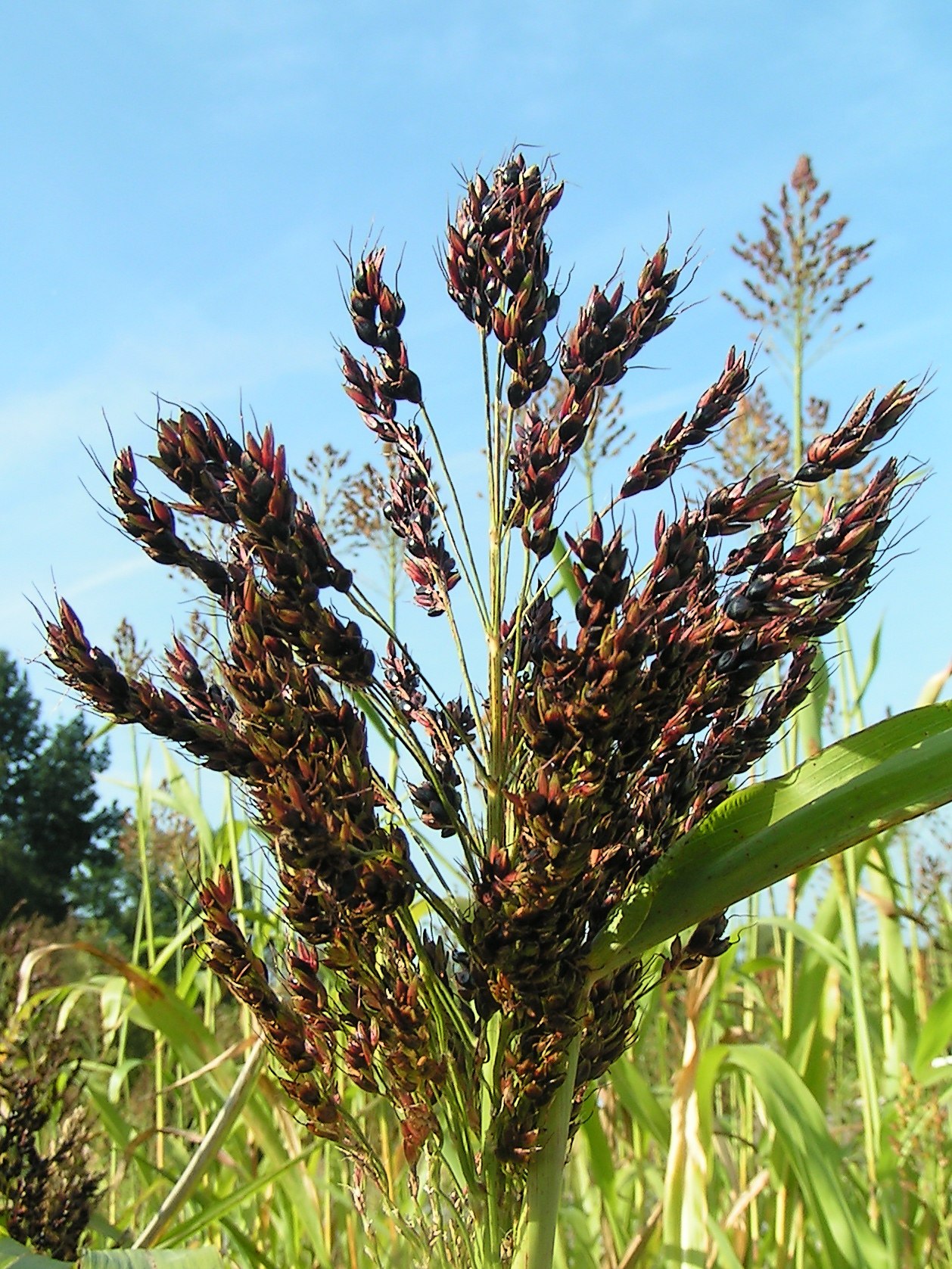
sorghum
Sorghum bicolor
Placenta I Emergent Mulch biomassAfrican annual cereal highly tolerant of drought. Rebello & Sakamoto (2019) list sorghum among grain crops (alongside soybean, corn, and cotton) pr...
-
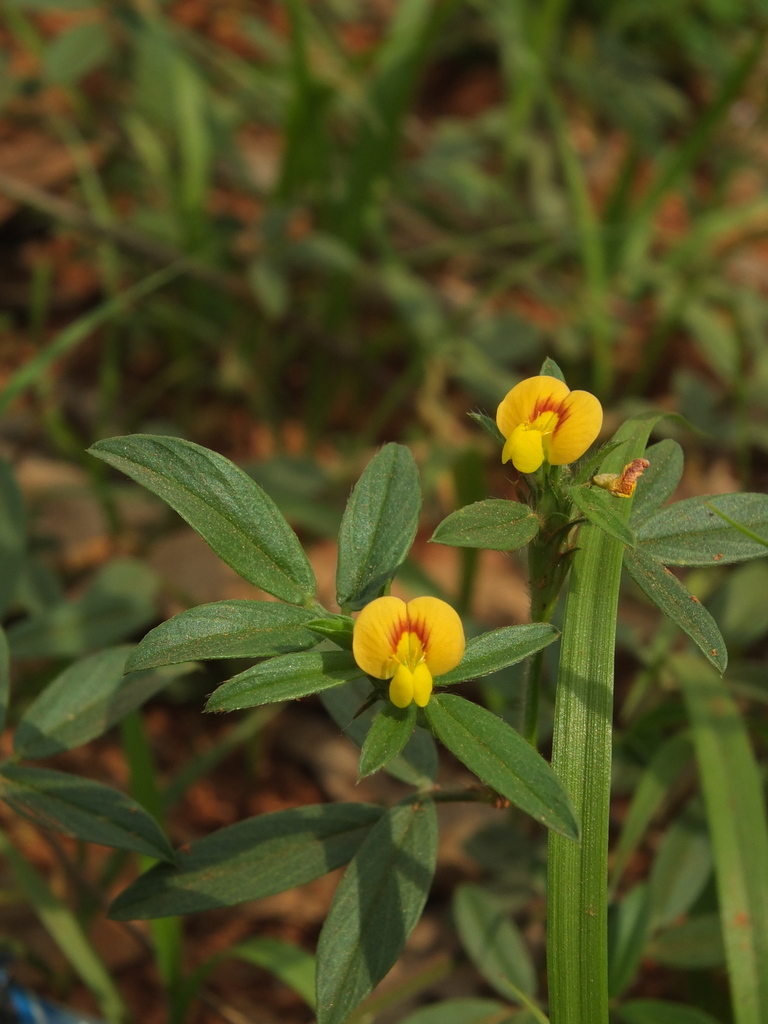
stylo
Stylosanthes guianensis
Placenta I Ground cover Fertilizer biomass 🌱 Nitrogen fixerHerbaceous forage legume, nitrogen-fixer. Rebello includes stylosanthes among key accumulation-phase species in Cerrado and Caatinga, alongside pig...
-
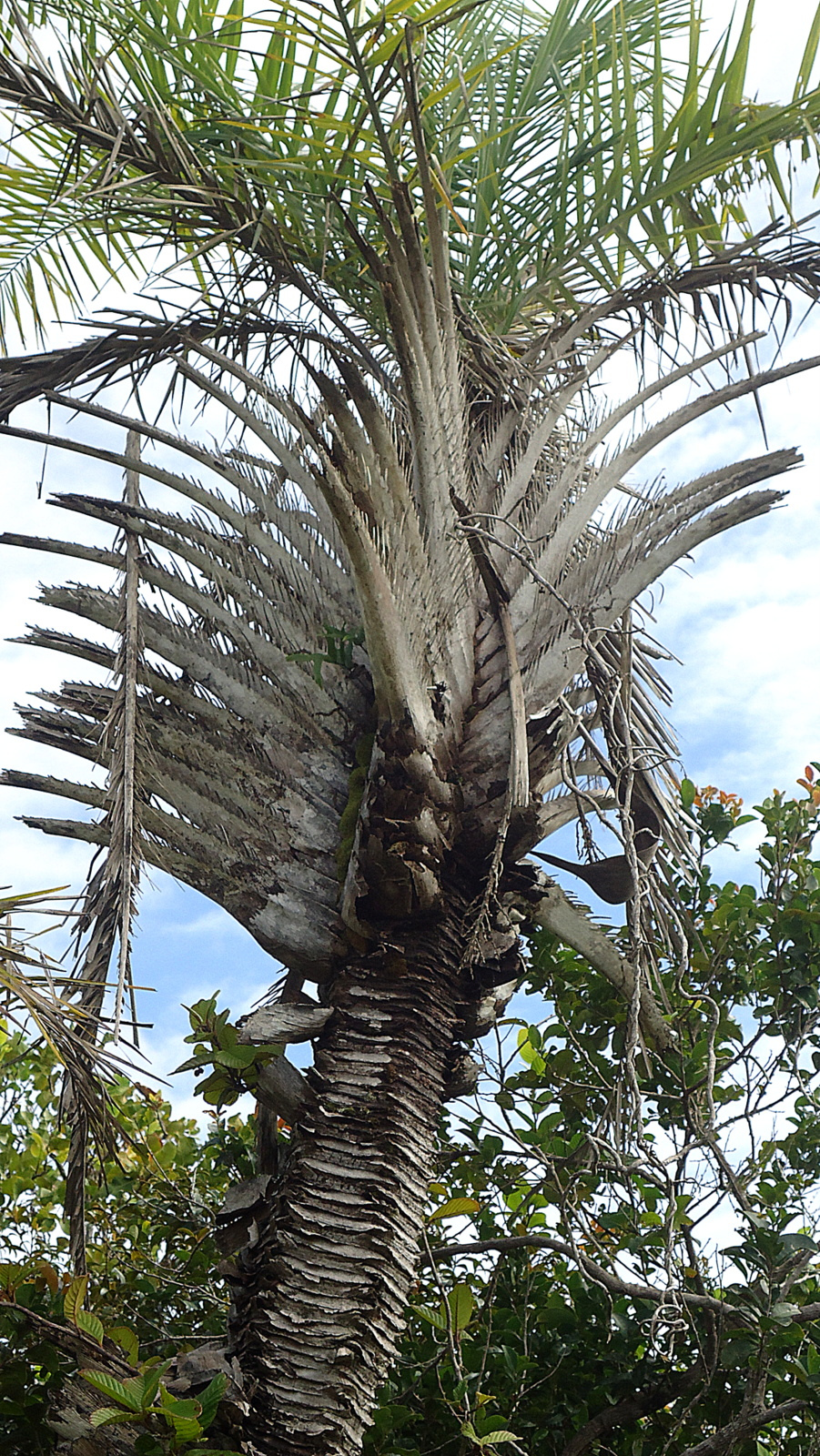
licuri palm
Syagrus coronata
Climax High Mulch biomassNative palm of the Caatinga and Northeastern Atlantic Forest, from northern Minas Gerais to Maranhão. Medium height (8–12 m), trunk covered by pers...
-
white tephrosia
Tephrosia candida
Placenta II Low Mulch biomass 🌱 Nitrogen fixerA short-lived (3-4 years) perennial leguminous shrub of 1-3 m, native to India and widely introduced across the tropics. It fixes nitrogen and is g...
-
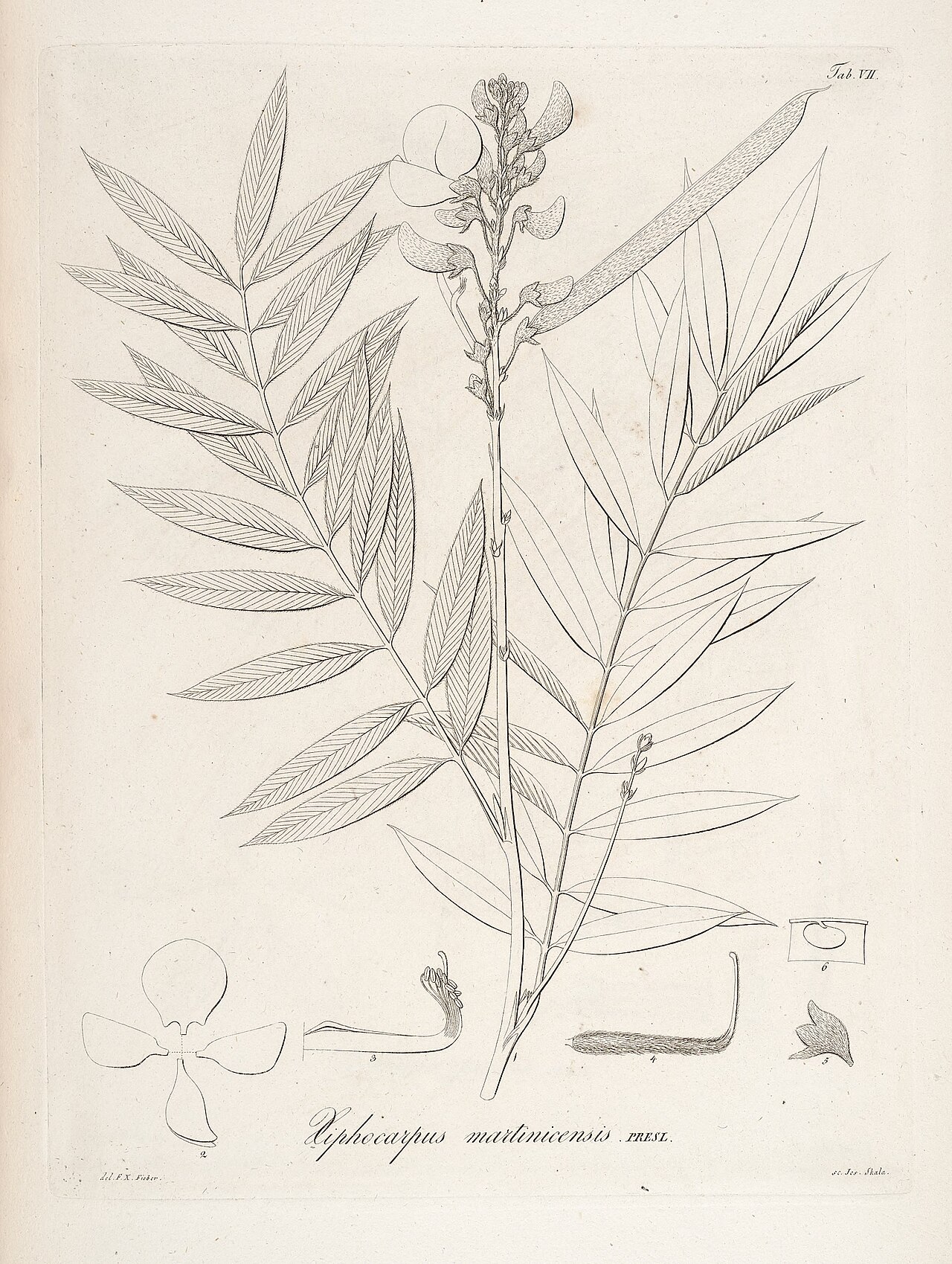
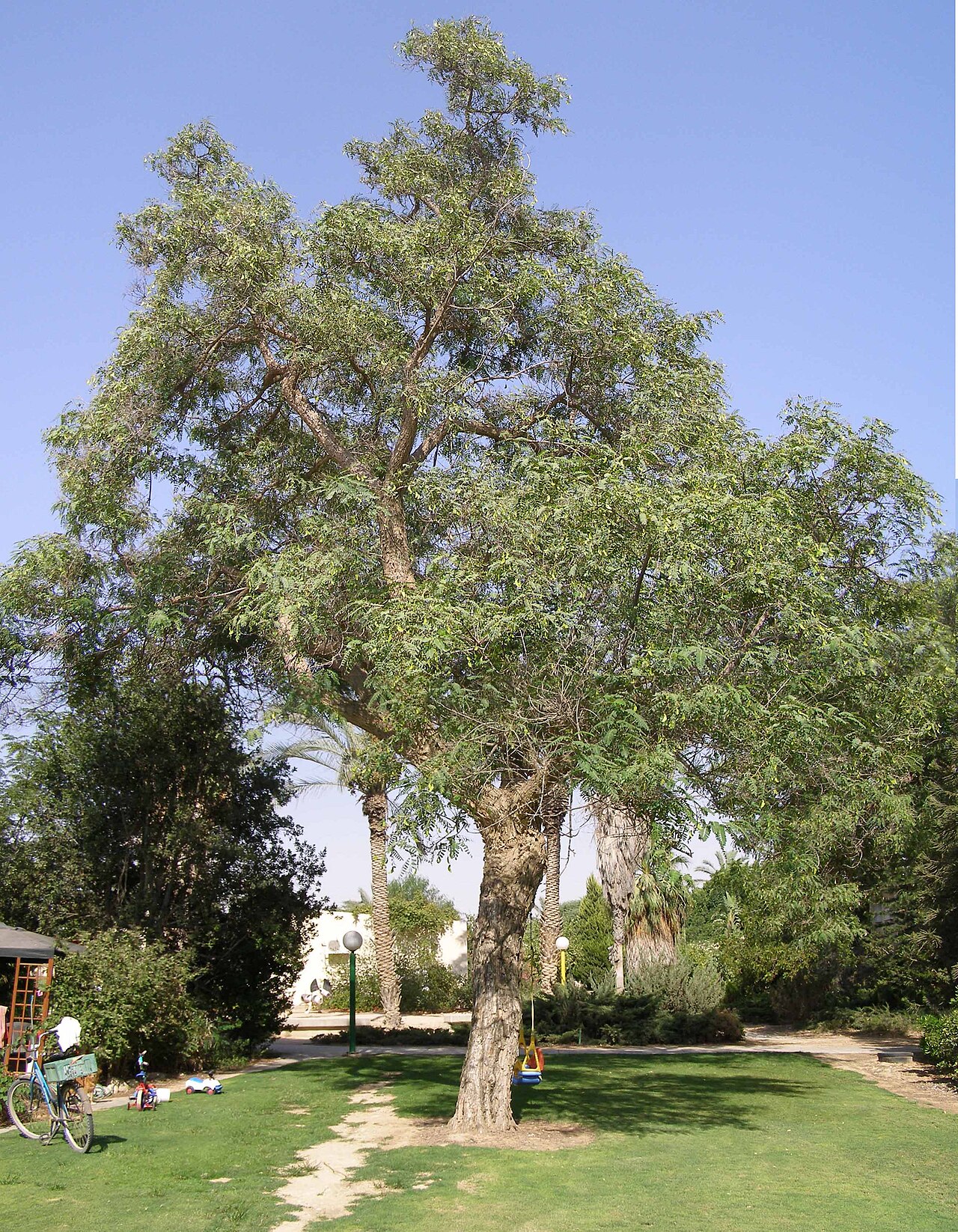
tipu tree
Tipuana tipu
Secondary II Emergent Fertilizer biomass 🌱 Nitrogen fixerA very fast-growing leguminous tree of 10-30 m, with a broad spreading crown, native to southern Bolivia, northern Argentina, Paraguay, Uruguay and...
-
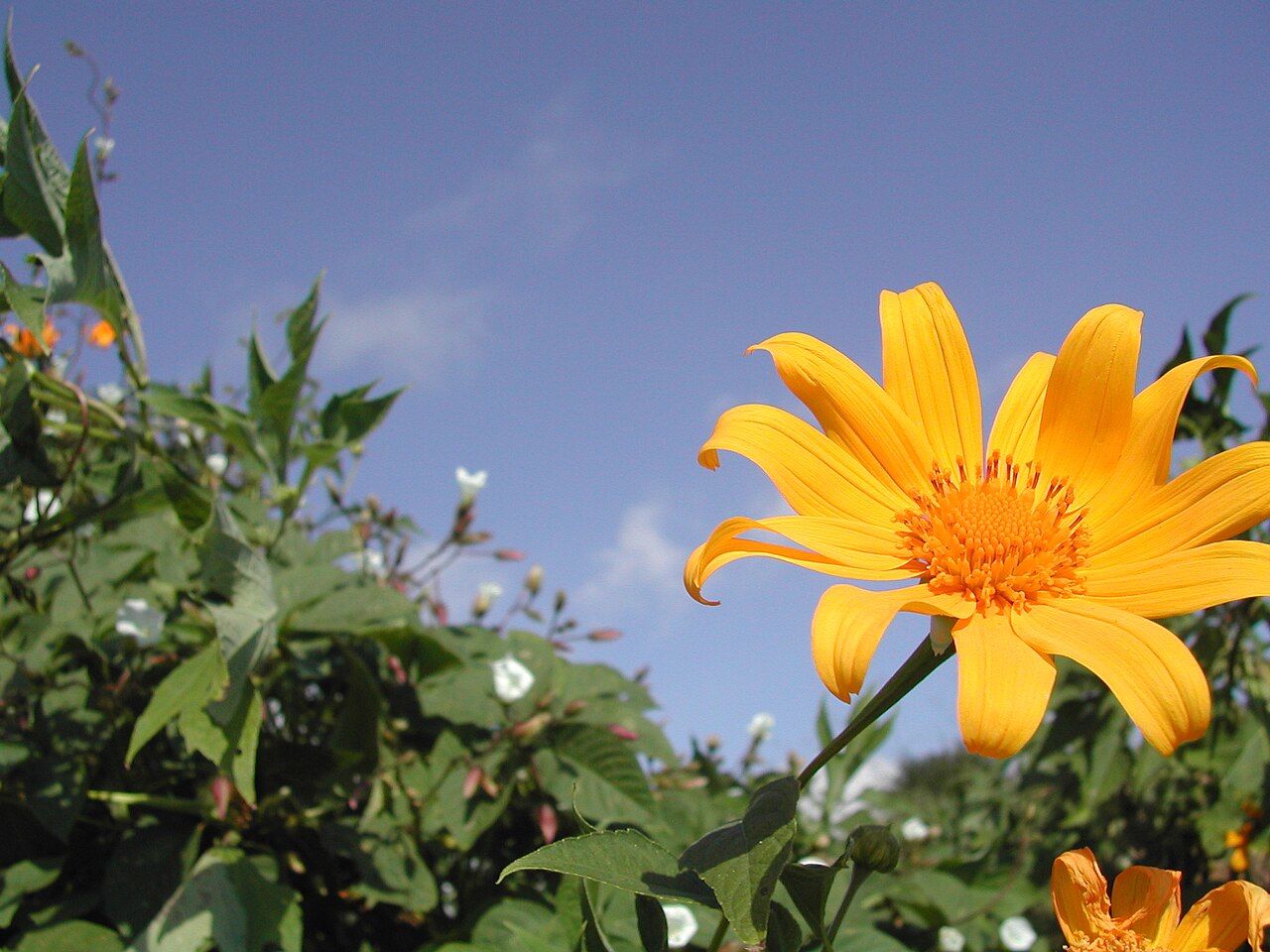
Mexican sunflower
Tithonia diversifolia
Placenta II High Fertilizer biomassFast-growing perennial shrub; propagated by stem cuttings; high biomass production rich in nitrogen, phosphorus, and potassium. Explicitly cited by...
-
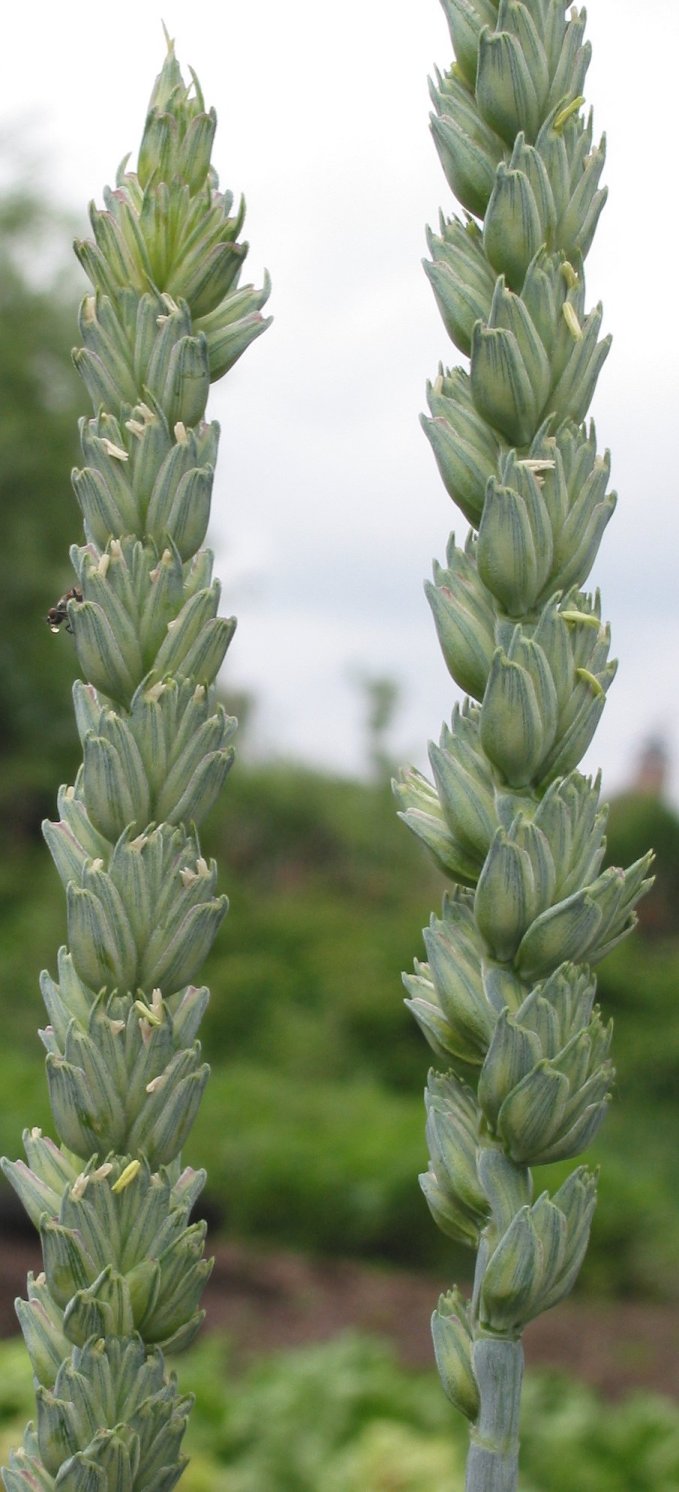
wheat
Triticum aestivum
Placenta I High Mulch biomassAnnual cereal originating in the Fertile Crescent. Rebello & Sakamoto (2019) tested wheat in a syntropic system in the Cerrado (Chapada dos Veadeir...
-
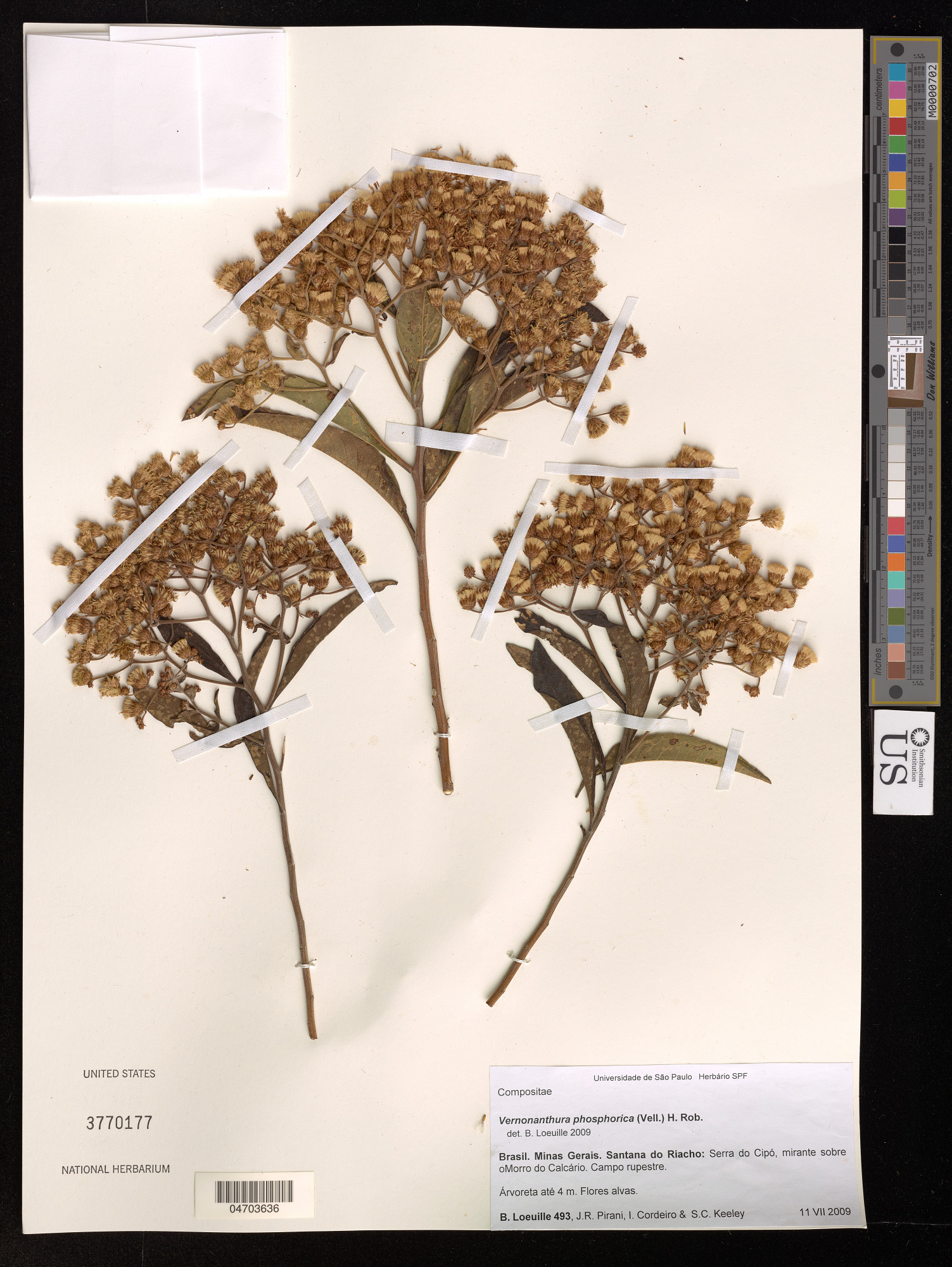
assa-peixe
Vernonanthura phosphorica
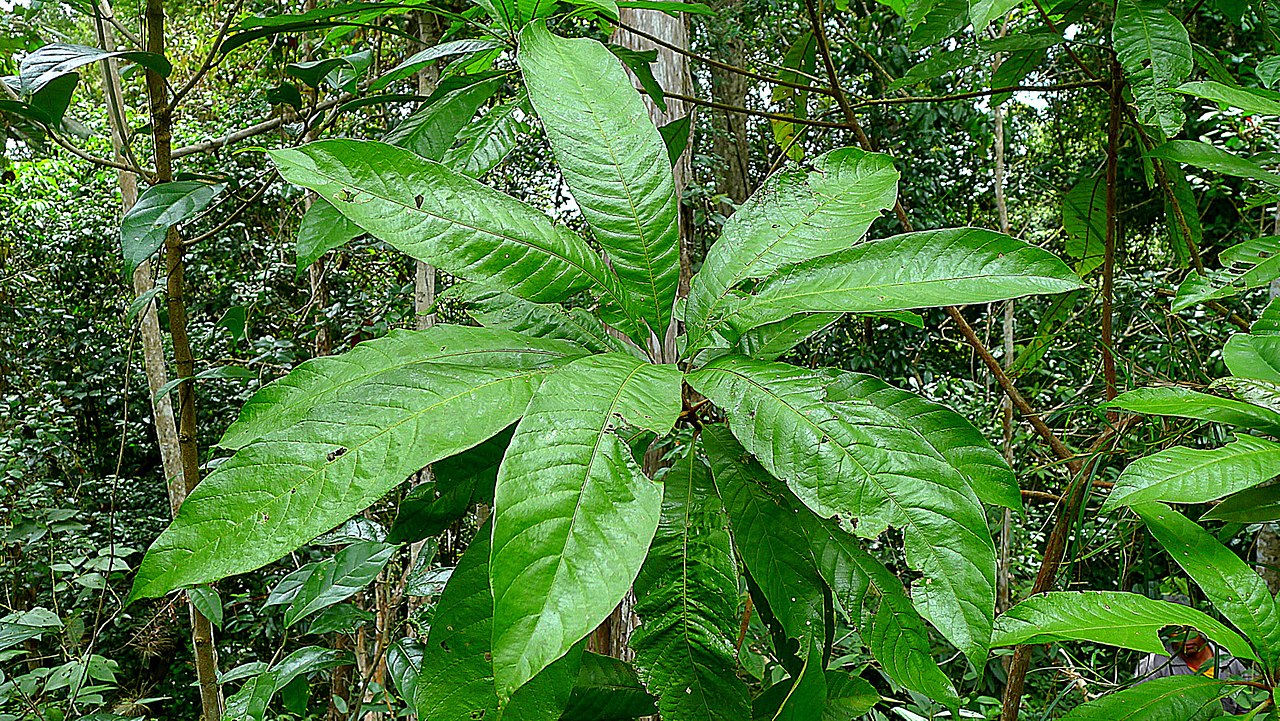
Placenta II Low Mulch biomassPioneer shrub-tree of Cerrado and Atlantic Forest, listed by Rebello among anchor species of the accumulation system. Indicator of shallow, dry soi...
-
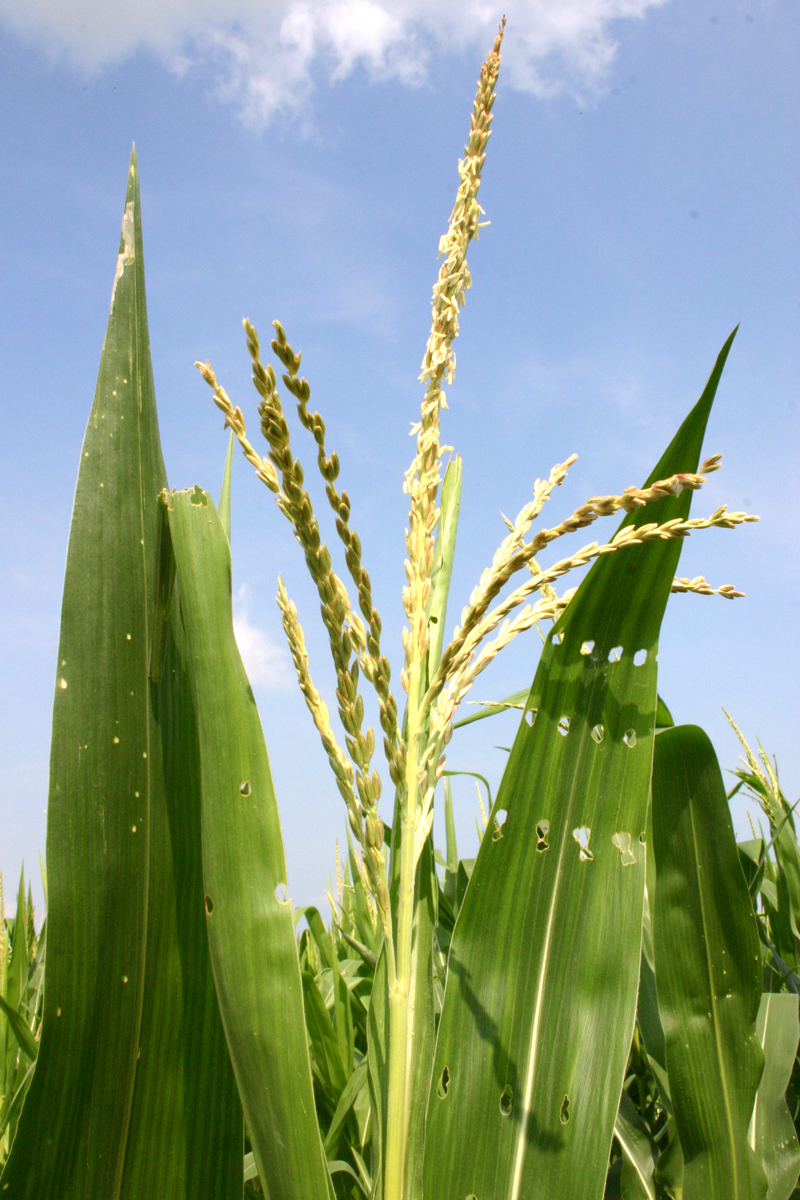
maize
Zea mays
Placenta I Emergent Mulch biomassAnnual C4 cereal — placed by Pasini in the emergent stratum of Tabela 3 and recommended for the 'up to 6 months' phase of Tabela 4. Short-cycle cov...
❓ Frequently asked questions
What does "Biomass producer" mean in syntropic agriculture?
Fast-growing species whose biomass (leaves, branches, trunks) is periodically cut and returned to the soil. The energetic engine of a syntropic system: pruning produces organic matter that feeds soil life and releases light for the next generation.
Which catalog species are tagged Biomass producer?
The catalog holds 95 species, among them yellow poinciana, Napier grass, lima bean. Each profile shows stratum, succession stage, and the management data, with sources cited.